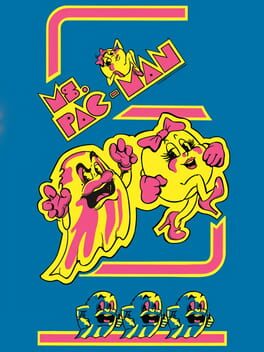
Ms. Pac-Man
Ms. Pac-Man — frequently asked questions
- Is Ms. Pac-Man on Steam?
- No. Ms. Pac-Man is not distributed on Steam, so there is no Steam Charts or SteamDB player count for it. Its live popularity is tracked here via Twitch viewership instead.
- What platforms is Ms. Pac-Man on?
- Ms. Pac-Man is available on Commodore VIC-20, Arcade, Atari 8-bit, Commodore C64/128/MAX, ZX Spectrum, Sega Game Gear, DOS, Apple II, Xbox 360, Sega Master System/Mark III, Texas Instruments TI-99, Atari Lynx, NES, Genesis / Mega Drive, Game Boy, Master System, Atari 2600, Atari 7800, Atari 5200, Commodore 64, VIC-20, TI-99/4A, IBM PC, Genesis/Mega Drive, Game Gear, Super NES, Game Boy Color.
- When did Ms. Pac-Man release?
- Ms. Pac-Man was first released on January 13, 1982.
About Ms. Pac-Man
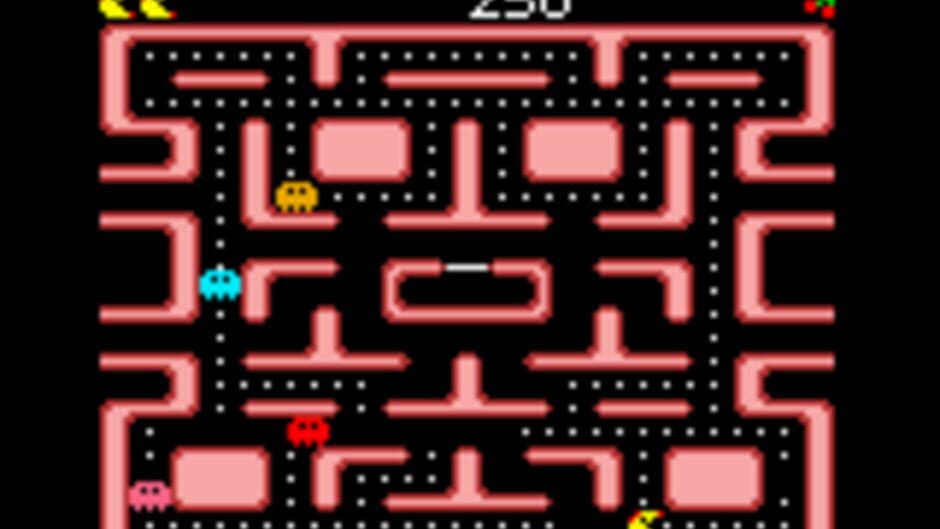
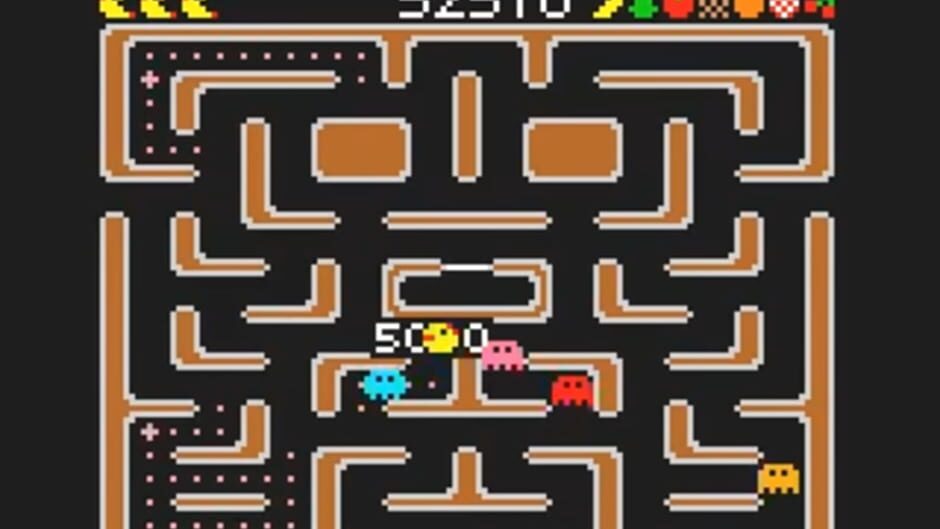
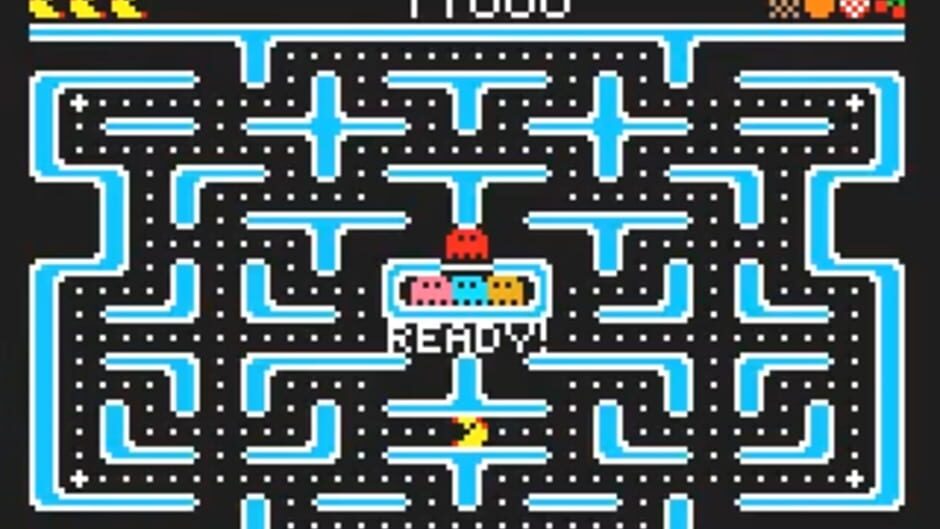
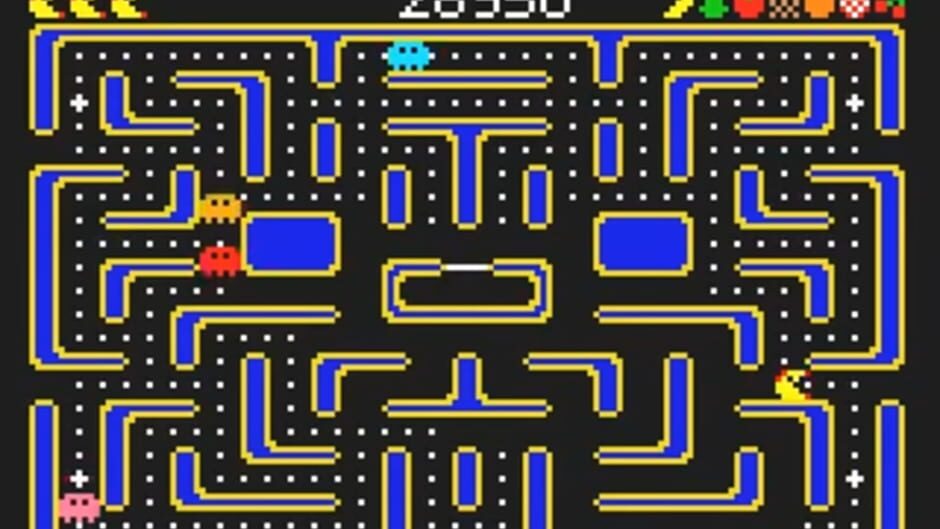
In 1982, a sequel to the incredibly popular Pac-Man was introduced in the form of his girlfriend, Ms. Pac-Man. This sequel continued on the "eat the dots/avoid the ghosts" gameplay of the original game, but added new features to keep the title fresh. Like her boyfriend, Ms. Pac-Man attempts to clear four various and challenging mazes filled with dots and ever-moving bouncing fruit while avoiding Inky, Blinky, Pinky and Sue, each with their own personalities and tactics. One touch from any of these ghosts means a loss of life for Ms. Pac-Man. Ms. Pac-Man can turn the tables on her pursuers by eating one of the four Energizers located within the maze. During this time, the ghosts turn blue, and Ms. Pac-Man can eat them for bonus points. The Energizer power only lasts for a limited amount of time, as the ghost's eyes float back to their center box, and regenerate to chase after Ms. Pac-Man again. Survive a few rounds of gameplay, and the player will be treated to humorous intermissions showing the growing romantic relationship between Pac-Man and Ms. Pac-Man, leading all the way up to the arrival of "Junior".
Summary via IGDB.
Ms. Pac-Man on Wikipedia
Ms. Pac-Man is a 1982 maze video game developed by General Computer Corporation (GCC) and published by Midway Manufacturing for arcades. It is a sequel to Pac-Man (1980), and the first entry in the series to not be made by Namco. Controlling the title character, Pac-Man's wife, the player is tasked with eating all of the pellets in an enclosed maze while avoiding four colored ghosts. Eating the larger "power pellets" lets the player eat the ghosts, which turn blue and flee.
Source: Wikipedia (text under CC BY-SA 4.0).
Game details
- Platforms
- Commodore VIC-20, Arcade, Atari 8-bit, Commodore C64/128/MAX, ZX Spectrum, Sega Game Gear, DOS, Apple II, Xbox 360, Sega Master System/Mark III, Texas Instruments TI-99, Atari Lynx, NES, Genesis / Mega Drive, Game Boy, Master System, Atari 2600, Atari 7800, Atari 5200, Commodore 64, VIC-20, TI-99/4A, IBM PC, Genesis/Mega Drive, Game Gear, Super NES, Game Boy Color
- Developer
- Atari Corporation
- Publisher
- Atari Corporation
- Game modes
- Single player
- Themes
- Fantasy
- Series
- Pac-Man
Details via IGDB.
Every version compared
Prices, contemporary reception and the studio credited for each release
| Platform | Year | Loose | Complete | Sealed | Period reviews | Built by |
|---|---|---|---|---|---|---|
| Atari LynxDetails ↓ | 1990 | $28 | $45 | $99 | — | — |
| Atari 2600Details ↓ | 1983 | $8 | $22 | $33 | 4 reviews | GCC (designed by Mike Horowitz / Josh Littlefield) |
Also released on: Commodore VIC-20 · Arcade · Atari 8-bit · Commodore C64/128/MAX · ZX Spectrum · Sega Game Gear · DOS · Apple II · Xbox 360 · Sega Master System/Mark III · Texas Instruments TI-99 · NES · Genesis / Mega Drive · Game Boy · Master System · Atari 7800 · Atari 5200 · Commodore 64 · VIC-20 · TI-99/4A · IBM PC · Genesis/Mega Drive · Game Gear · Super NES · Game Boy Color. We haven’t priced or authenticated those versions yet.
Prices are per version and are not interchangeable, and neither are the reviews: conversions in this era were often built by a different studio than the original, so a score earned on one machine says nothing about how another plays.
Collector value & authenticity
Atari Lynx · PriceCharting sold data · Verified 2026-08-07
- Region
- NA+EU+JP
- Released
- 1990
- Authenticity
- Low
The Atari Lynx version
A faithful, colourful conversion that mostly demonstrates the Lynx did not need to work hard to beat a Game Boy.
Atari handled development and publishing in 1990. Ms. Pac-Man is a fixed-screen maze game, which is exactly the sort of thing a 160×102 colour LCD renders well, and this version looks close to the arcade board. It is not a technical showcase; it is a good port of a game everyone already owned somewhere else.
It reached Japan through Mumin Corporation. Sealed copies run to several times the loose price, which is packaging demand rather than game demand.
How it was made
The first of five Lynx titles programmed by Eric Ginner and Jerome Strach, per an Atari Explorer interview in 1992. Their sequence ran Ms. Pac-Man, Checkered Flag, Shanghai, Rampart and then Batman Returns.
Cartridge & preservation record
Cartridge ROM capacity 1 megabit (128 KB), measured from the preserved cartridge image.
Catalogue part number PA2057
Cartridge data from the No-Intro preservation database (metadata only — names, sizes and checksums, no game data).
Also on other platforms
Arcade · NES · Genesis / Mega Drive · Game Boy · Master System · Atari 2600 · Atari 7800
- Arcade. Namco's 1982 coin-op. The Lynx conversion keeps the arcade intermissions — EGM #21 specifically noted "even the cute intermissions from the arcade are there" — but deliberately changes the ghost patterns, so memorised arcade routes do not transfer. Atari Explorer confirms four standard arcade mazes.
Worth knowing
- The arcade intermissions survive, but the ghost patterns do not. Electronic Gaming Monthly #21 on the Lynx conversion: "Everything has been faithfully recaptured in the Lynx version, even the cute intermissions from the arcade are there! ... and don't worry, the patterns have all been changed." Memorised arcade routes will not work here — a deliberate change, and unusual for a conversion that otherwise preserves the original so closely.
Before you buy
Common and low-risk. Buy loose to play; if you are buying sealed, you are buying cardboard, so grade it.
Collector value & authenticity
Atari 2600 · PriceCharting sold data · Verified 2026-10-06
Release record
| Territory | Label | Catalog # | Rarity |
|---|---|---|---|
| North America Atari | Silver - 1982 | CX2675 | Common+ |
Also released in South America by Polygram, Shock Vision.
Source: Catalog numbers, label types, rarity, controllers and player counts: AtariAge 2600 software database
- Region
- NA+EU
- Released
- 1983
- Controller
- Atari Joystick
- Players
- 1 - 2
- Authenticity
- Low
The Atari 2600 version
GCC's 2600 Ms. Pac-Man, the good Pac-Man on the console, and still cheap.
Ms. Pac-Man was a 1982 arcade sequel to Pac-Man, made by General Computer Corporation (GCC) and published by Midway. It started life as an unofficial modification kit called Crazy Otto before Midway bought it, and critics praised it for improving on the original.
The Atari 2600 version was also developed by GCC, with Mike Horowitz and Josh Littlefield credited as designers, and Atari released it in February 1983. For most players it is the Pac-Man cartridge to own on the 2600.
How it was made
Developed by GCC for Atari, with Mike Horowitz and Josh Littlefield credited as designers. Released in February 1983, with a PAL release in the second quarter of 1983.
What the press said at the time
| Arcade Express Vol. 1 No. 14 | February 13, 1983 | 9/10 |
| Computer Entertainer Vol. 1 No. 12 | March 1983 | Graphics ★★★½ · Play-Action ★★★★ |
| Electronic Fun with Computers & Games Vol. 1 No. 5 | March 1983 | 4 joysticks |
| JoyStik July 1983 | July 1983 | ★★★★★ |
“Many will find it hard to believe that the same company which staggered us with the VCS "Pac-Man" cartridge last year is capable of producing such an excellent edition of Bally Midway's sequel to the super-hit gobbling game. Believe it.”
“is an excellent translation of the Bally Midway arcade hit that should please even the most disillusioned buyers of last year's Atari PAC-MAN. … Altogether, this is an extremely well-done game that should be a very big hit for Atari.”
“Ms. Pac-Man is a tremendous improvement over the VCS Pac-Man. The field is a brilliant blue. The ghosts still flicker, but they're sharp and clear, even when they turn blue.”
“Ms. Pac-Man is a great piece of work, with all the appeal gamers could want. Atari, you're right, she's a lot more than just Pac-Man with a bow. In fact, she's twice the Pac-Man her hubby is!”
Computer Entertainer rated graphics first and play action second, from four symbols (excellent) to one (poor) — stars in most years, diamonds in 1986–87 — comparing each game only with other games for the same system. Electronic Fun rated games out of four joysticks. JoyStik’s capsule ratings run from one star to five.
Cartridge & preservation record
Program size 8 KB, measured from the preserved dump.
Catalogue number as recorded for the physical release.
How the Atari 2600 version differs
Unlike the 2600 Pac-Man, infamous for its flashing ghosts, the 2600 Ms. Pac-Man has minimal flicker.
Also on other platforms
Arcade · Atari 5200 · Atari 8-bit · Commodore 64 · VIC-20 · Apple II · TI-99/4A · IBM PC · ZX Spectrum · Atari 7800 · NES · Genesis/Mega Drive · Master System · Game Boy · Game Gear · Atari Lynx · Super NES · Game Boy Color
| Atari 2600 | GCC (designed by Mike Horowitz / Josh Littlefield) |
- Commodore 64. Computer Games called the Commodore 64 version a spectacular conversion, and InfoWorld rated Atarisoft's Commodore 64 version as good as the best-selling Atari 8-bit one.
- Atari Lynx. The 1991 Lynx version adds new mazes, a fourth intermission and a speed-boost power-up.
- NES. Tengen's unlicensed 1990 NES port adds many extras, including four sets of mazes and a Pac-Booster option; its Genesis follow-up sold more than a million copies in the US.
Worth knowing
- 1983 best seller. The Video Game Update's "Top Sellers of 1983", polled from retailers and distributors, ranked the 2600 Ms. Pac-Man #2.
- Out of memory. Atari Age said of Ms. Pac-Man and Centipede that "the programmers used up every last iota of memory space available, and there wasn't enough room left for additional options like two-player scoring".
- 1984 Arkie Award. Ms. Pac-Man won Videogame of the Year (under 16K) in the 1984 Arkie Awards.
Before you buy
Low risk; a common cart that is not a reproduction target. Loose copies are inexpensive and easy to find, and boxed or even sealed copies turn up without much hunting. Check the label for wear and test that the cart boots cleanly.
Ms. Pac-Man screenshots
Watch on YouTube
Listings on The Game Traders
No active listings for Ms. Pac-Man yet.
Be the first to list →Buyers looking for this
No active want ads for Ms. Pac-Man yet.
Post a want ad →Popular games right now






Latest news mentioning Ms. Pac-Man
No recent news mentions in our 30-day feed window.