Chapter 1 — Foundations (1977–1984)
In 1976, "video games" still meant Pong clones soldered to a single circuit. Each new game required a new console. Then a small company in Sunnyvale, California shipped a wooden box that changed everything: a cartridge slot. Programs lived on swappable ROM chips, not the motherboard. Suddenly the console was a platform, and a platform needed a library.
The seven years that followed produced four iconic systems, the first console war, and the most spectacular collapse the industry would ever see. By 1983, North American video game revenue had crashed from $3.2 billion to $100 million in eighteen months. Retailers who'd bulldozed cartridges into landfills swore they'd never stock another. The next generation of consoles would have to rebuild trust from scratch.
But the foundations laid in this era are still load-bearing today. Cartridge architecture, third-party publishing, mascot characters, hardware variants, even the idea that a console "generation" exists: all of it traces back to four boxes built between 1977 and 1982.
Atari 2600 (1977)
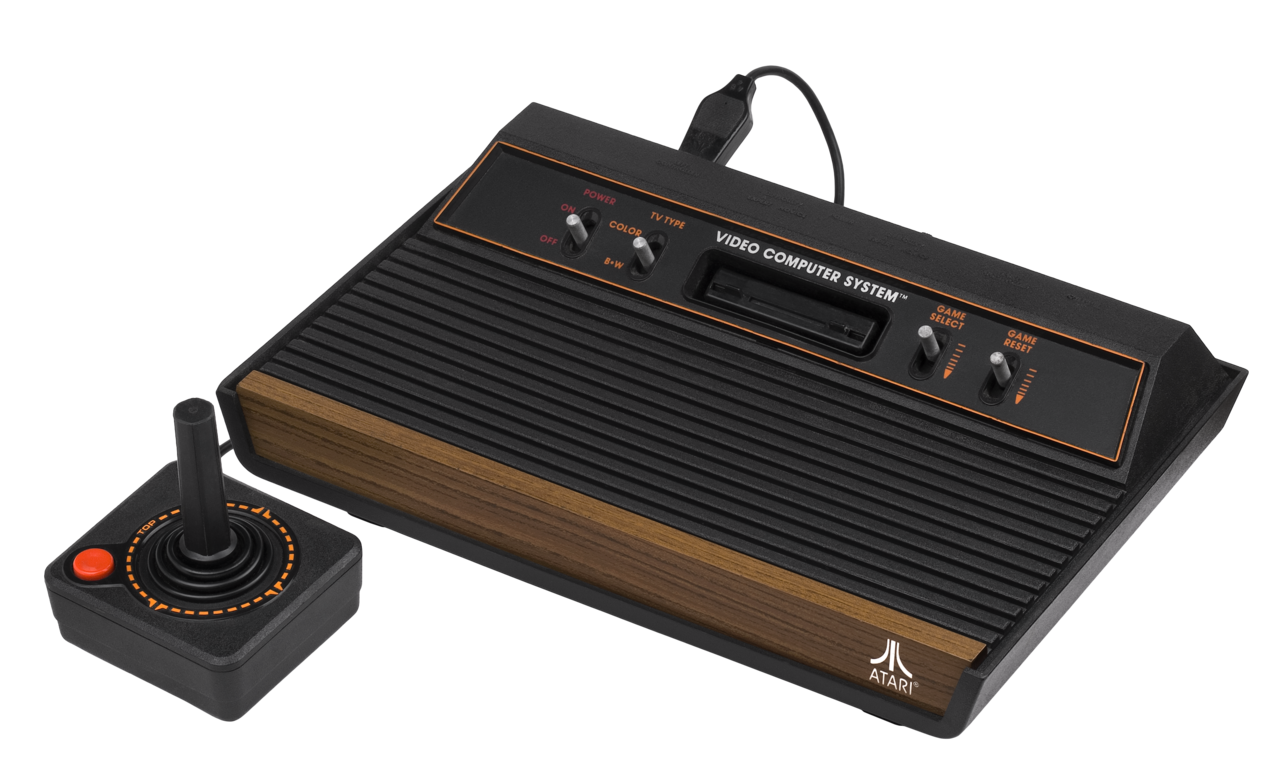
Atari 2600. The console that put cartridge gaming in living rooms. Released as the Atari Video Computer System in the late summer of 1977 at $199.95, the 2600 wasn't the first cartridge-based console (that was the Fairchild Channel F), but it became the first to matter. Atari's library was the moat. In 1980 Atari's Space Invaders conversion turned a slow seller into a boom: it was the first officially licensed arcade conversion for a home console (from Taito), and Atari sold over a million consoles that year. Pac-Man, licensed from Namco, followed, while Atari's own Asteroids and Adventure became household names.
Production ran for an astonishing fourteen years, from 1977 to 1992. The classic four-switch woodgrain pictured here is the 1980 revision; collectors also chase the 1977 "heavy sixer" launch unit (rarer, heavier, six switches on the front), the 1982 plastic-faced "Vader" model, and the 1986 budget redesign known as the 2600 Jr. Lifetime sales are usually estimated at around 30 million units (Atari never published an official total), making it the best-selling console of its generation by a wide margin and the platform that taught every subsequent manufacturer what a games library was worth.
Atari 5200 (1982)
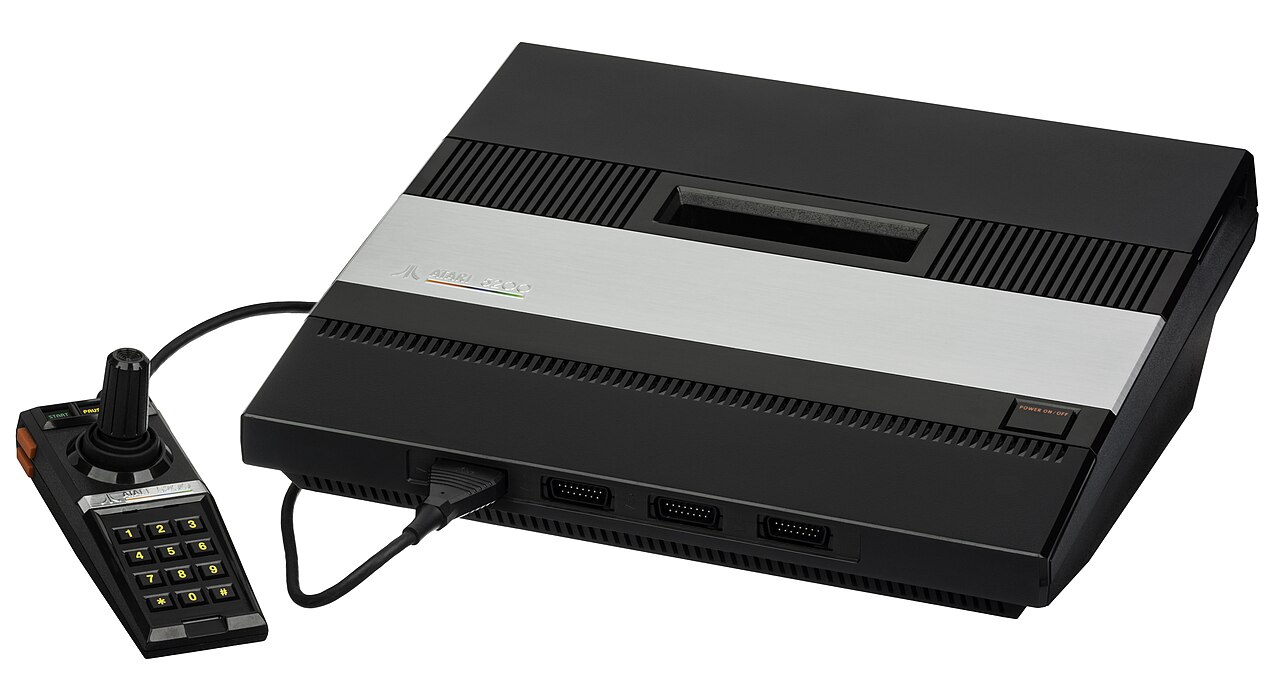
Atari 5200. Atari's misjudged step up from the 2600. Internally a repackaged Atari 400/800 home computer (one 1983 critic called it "a 400 computer in disguise"), the 5200 promised arcade-quality graphics and largely delivered them. What it didn't deliver was reliability. The non-centering analog joystick was praised in the first reviews and called "controversial" within months, and it proved fragile in use. The console couldn't play the 2600's library at launch; Atari's VCS Cartridge Adapter arrived in 1983.
The four-port model is the launch hardware, announced at $299.95 in 1982. In mid-1983 Atari cut the price to $199 and switched to a cost-reduced two-port model packed with Pac-Man, but the industry's 1983 crash had already gutted retail confidence. Atari stopped production in May 1984 after selling more than a million units, a fraction of the 2600's total. Today the 5200 is a cult collector's piece more than a playable system, and the analog sticks degrade unpredictably. Boxed examples command three to four times the price of loose units, which is unusual for a console that flopped commercially: scarcity, not nostalgia, drives the market.
Intellivision (1979)
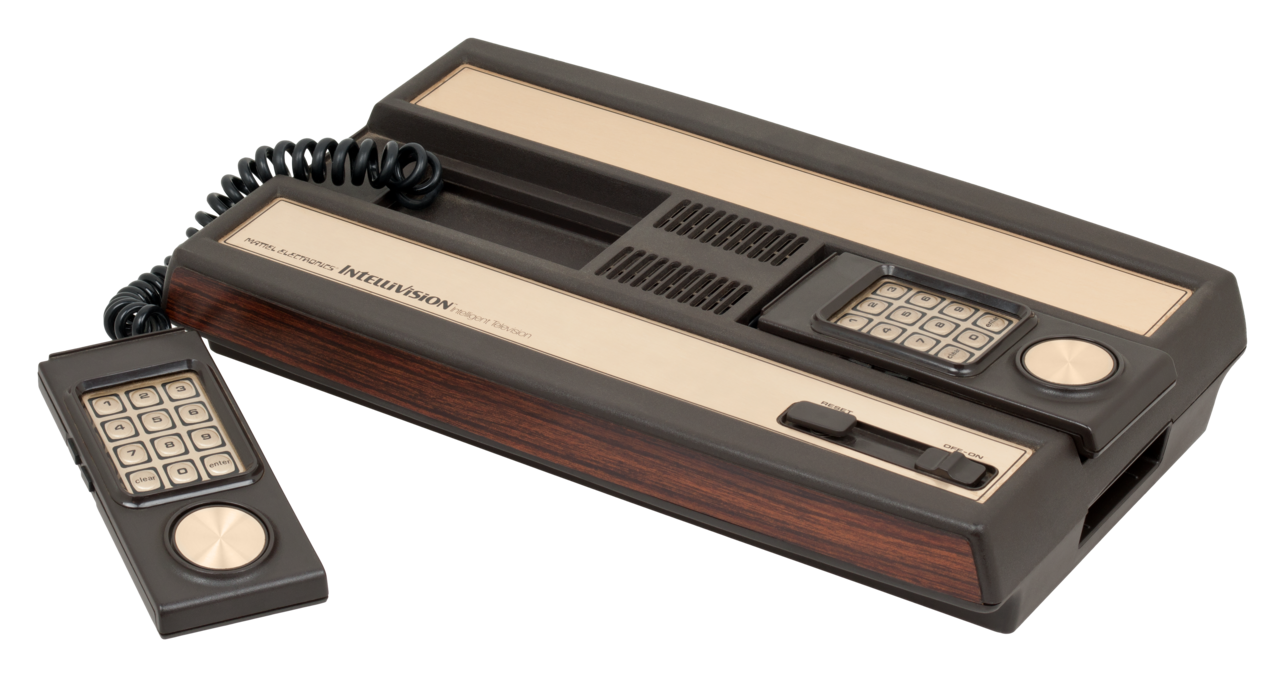
Intellivision. The first serious challenger to Atari's living-room monopoly. Mattel test-marketed its "Intelligent Television" in Fresno, California at the end of 1979 and put it on national sale in 1980 at about $300, selling it on sharper graphics, a 16-bit General Instrument CP1610 CPU, and the era's most distinctive controller: a 16-direction disc, a 12-key keypad that took game-specific overlay cards, and four side buttons. George Plimpton anchored a famous television ad campaign comparing the Intellivision side-by-side with the 2600; it never caught Atari, but at its peak Mattel Electronics held close to a fifth of the US video game market.
The Blue Sky Rangers, Mattel's former programmers, put lifetime sales at about 3 million consoles of every version. Mattel Electronics lost over $300 million in 1983 and closed in January 1984, but the system outlived it: INTV Corporation bought the rights and kept making new games until 1989, one of the longest commercial runs of any cartridge console. Mattel's in-house team mattered to the industry too. Programmers from Mattel and its contractor APh left in 1981, before the crash, to help found Imagic, one of the era's most prolific independents. (Activision, the other big independent of the period, came out of Atari rather than Mattel — a distinction worth keeping straight in collector circles.) The controllers are the usual failure point: each hides a printed membrane circuit that cracks with age, and on the original console they are wired in.
ColecoVision (1982)
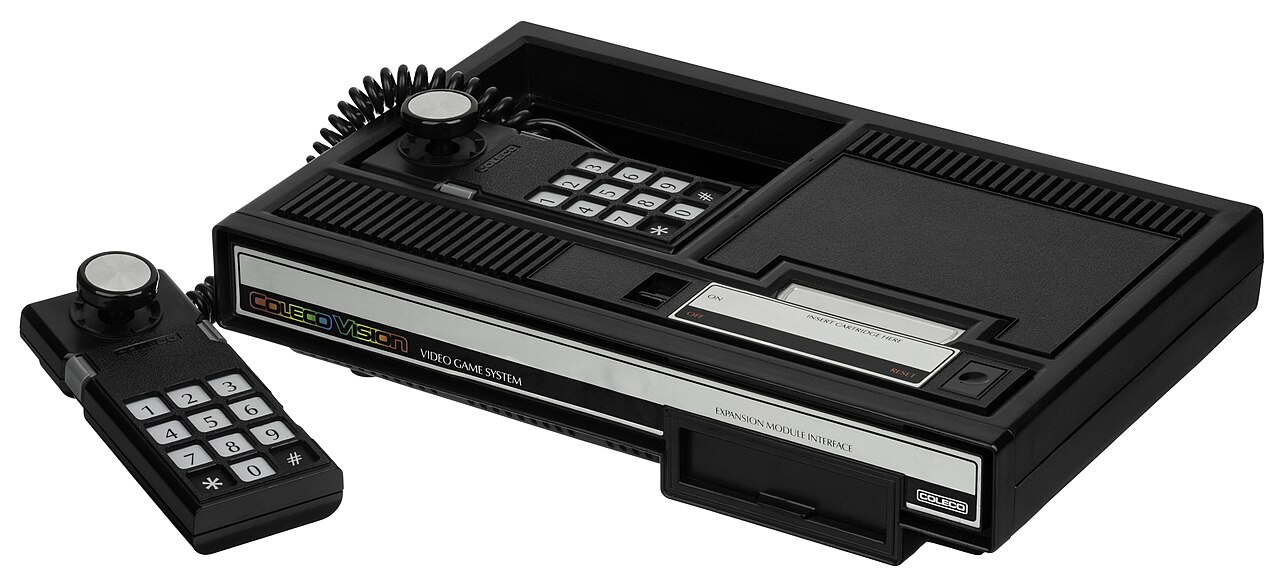
ColecoVision. The console that brought arcade-style graphics home just before the crash. Coleco shipped it in August 1982 with an officially licensed Donkey Kong bundled in the box. Demand outran supply: Coleco's own annual reports count about 560,000 consoles shipped in North America in 1982, and 1.5 million sold in 1983, which took the worldwide installed base past 2 million by the end of that year.
The expansion strategy was as ambitious as the launch. Expansion Module #1 played Atari 2600 cartridges, giving the ColecoVision the 2600's whole library; Atari sued, and the two settled with Coleco paying Atari royalties. Expansion Module #2 was a steering wheel with an on/off gas pedal. Expansion Module #3 turned the console into a full home computer, the Coleco Adam, whose losses drove Coleco out of video games: it took a $118.6 million provision on the Adam in 1984 and sold off much of its ColecoVision stock in 1985.
The picture above shows the bare console, the iconic launch configuration. Online listings sometimes confuse the ColecoVision with a 2600 because the optional Expansion Module #1 clamped to the front, making the combined unit look like a chunky 2600. Working ColecoVisions are still common in collector channels; the sealed external power supply, which Coleco's own repair manual calls "not serviceable", is the part most often reported to fail.
Next: Chapter 2 — The Crash and the Comeback (1985–1989). Nintendo refuses to call it a video game system, Sega ships a console with a hardware ID system to gate piracy, Atari tries one more time with the 7800, and a single grayscale handheld redefines what portable gaming means.
Chapter 2 — The Crash and the Comeback (1985–1989)
When Nintendo of America showed retailers the Famicom in 1985, every buyer in the room said no. The 1983 crash had so thoroughly burned the channel that "video game" was a category nobody wanted on a shelf. Nintendo's solution was theatre. They renamed the system the Entertainment System, redesigned the cartridge to look like a VCR tape, threw in a robot accessory that did almost nothing useful, and walked into Toys "R" Us pitching it as an electronic novelty rather than a games console. By 1986 the strategy had worked so completely that Nintendo controlled an estimated 90% of the North American market.
The same five years gave us the first dedicated portable platform that mattered, Atari's last serious console attempt, and Sega's debut as a hardware competitor. By the end of 1989 the industry had not just recovered. It had a new shape, and that shape was Japanese.
Nintendo Entertainment System (1985)
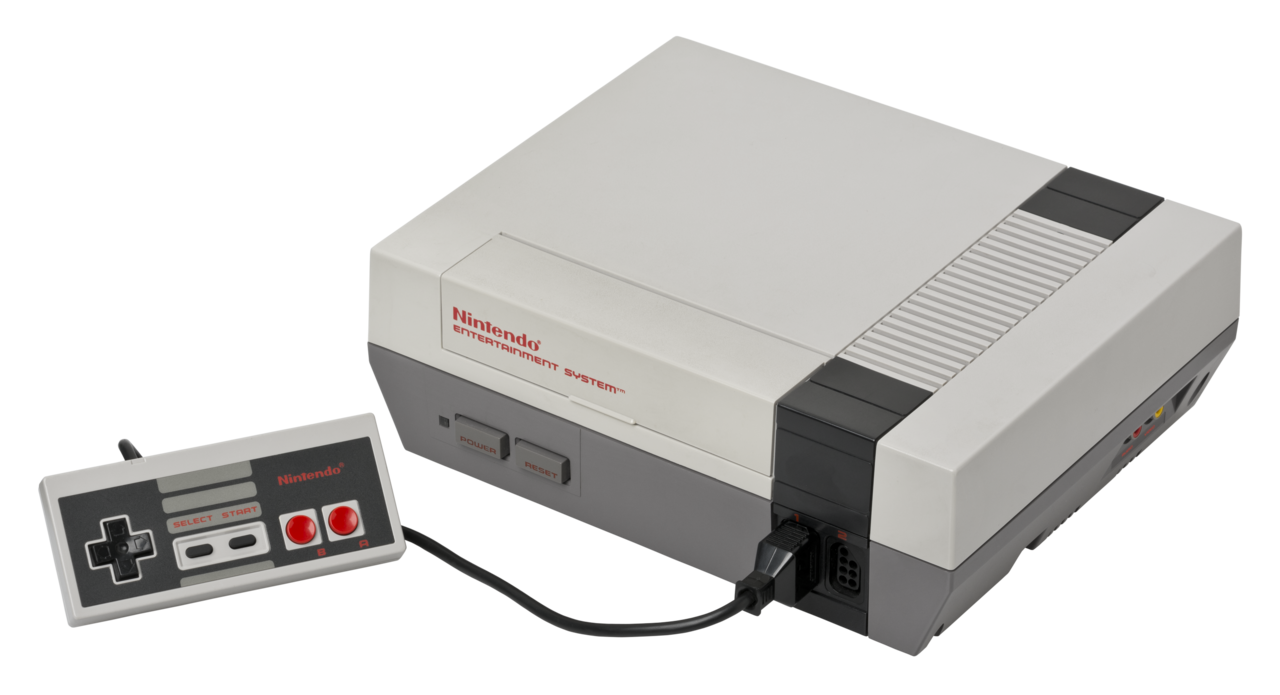
Nintendo Entertainment System. The console that single-handedly resurrected the North American video game industry. The NES launched in October 1985 with eighteen games, a robot, a light gun, and a marketing campaign that worked overtime to avoid the words "video game." Two years later it was the most successful console in history; by the time Nintendo finally retired it in 1995, lifetime sales had passed 61 million units worldwide.
The NES's lasting contribution wasn't graphics or processing power. It was the licensing model. Nintendo's "Seal of Quality" gave them control over which games could be published, what they could contain, and how often a publisher could ship. The lockout chip (10NES) made unauthorized cartridges physically refuse to boot. This regime defined console economics for the next four decades. Every modern platform, from PlayStation to Switch, runs on a variant of the gatekeeper model Nintendo invented to prevent another crash.
Two physical revisions matter to collectors. The original 1985 front-loader is the iconic gray brick; its 72-pin connector famously degrades and causes the "blinking blue screen of death," fixable with a $5 replacement part. The 1993 top-loading NES-101 redesigned the connector and eliminated the issue entirely. It's the more reliable buy today, though commonly priced higher because Nintendo produced fewer of them.
Famicom (1983)
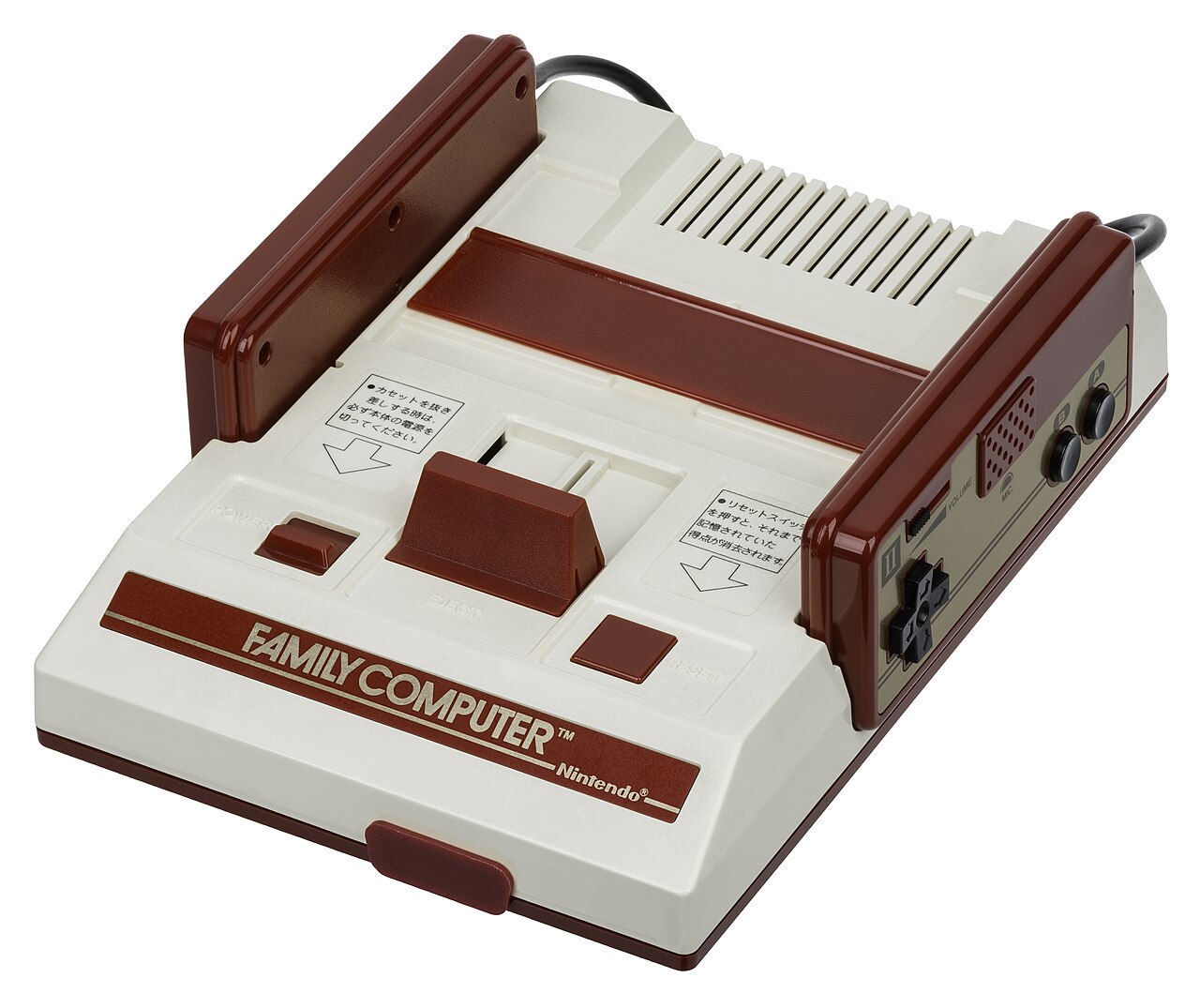
Famicom. The same console, two years earlier, in a different shape. Nintendo released the Family Computer in Japan in July 1983, two years before the NES, with a fundamentally identical architecture: same 6502-derived CPU, same PPU, same controllers, same cartridge format internally. The visible differences are dramatic (red and white plastic, hardwired controllers, top-loading cartridge bay), and the import market for Famicom hardware is its own separate collector economy.
The advantage of going Famicom: a much larger software library. Roughly 1,050 licensed Famicom titles shipped in Japan, compared to about 716 for the NES in North America. Major publishers held back hundreds of games from international release for reasons ranging from translation cost to localization concerns to Nintendo of America's content guidelines. The Seal of Quality refused several genres outright, including most pachinko sims and adult-themed graphic adventures.
The Famicom Disk System add-on, launched 1986 in Japan only, expanded the library further with rewritable floppy media. Hardware survival rate is excellent (Japanese consoles tend to live in cleaner storage conditions than their American counterparts), but the hardwired controllers fail the same way the Intellivision's did, and replacements require a soldering iron.
Sega Master System (1986)
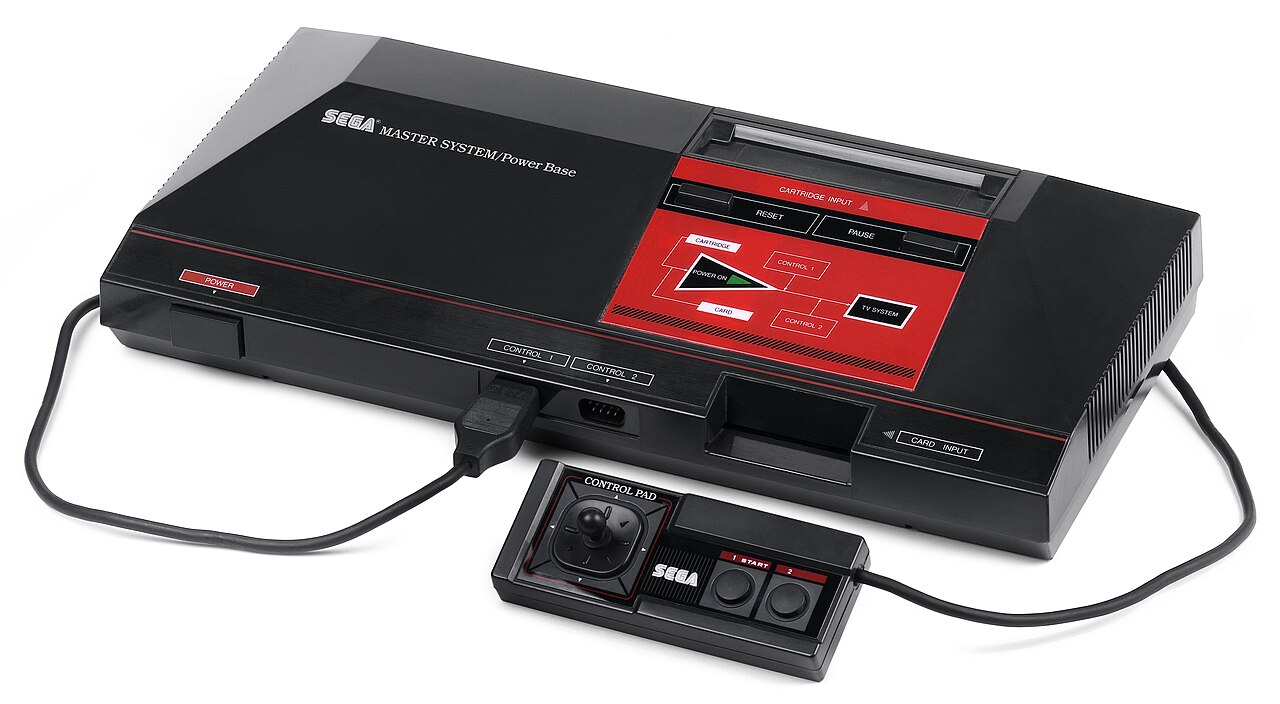
Sega Master System. The console that lost the war in North America and won it in Brazil. Sega's first international system shipped in September 1986, eleven months after the NES, with technically superior hardware: a faster CPU, more on-screen colors, smoother sprite scaling. None of that mattered. Nintendo had locked down third-party publishers with exclusivity clauses, and the Master System launched in the US with about a fifth of the NES's software lineup.
By 1990 Sega had thrown in the towel on the American market and focused the Master System on territories where Nintendo was weaker: Brazil, Australia, and parts of Europe. The Brazilian licensing partnership with Tec Toy turned out to be the most important deal in the company's hardware history. Master System units were still being manufactured and sold there as recently as 2016, three full console generations after the platform's "death" elsewhere.
The console pictured is the original 1986 launch hardware, the version most North American collectors mean when they say "Master System." (Sega did ship a redesigned Master System II in 1990 in Europe and Brazil, but that's a different unit and a different shape.) Hardware reliability is excellent. The FM sound chip in some Japanese models is a niche collector draw because it produces a distinctly different audio signature than the standard PSG. North American boxed copies are rare enough that condition matters more than rarity for individual game pricing.
Atari 7800 (1986)
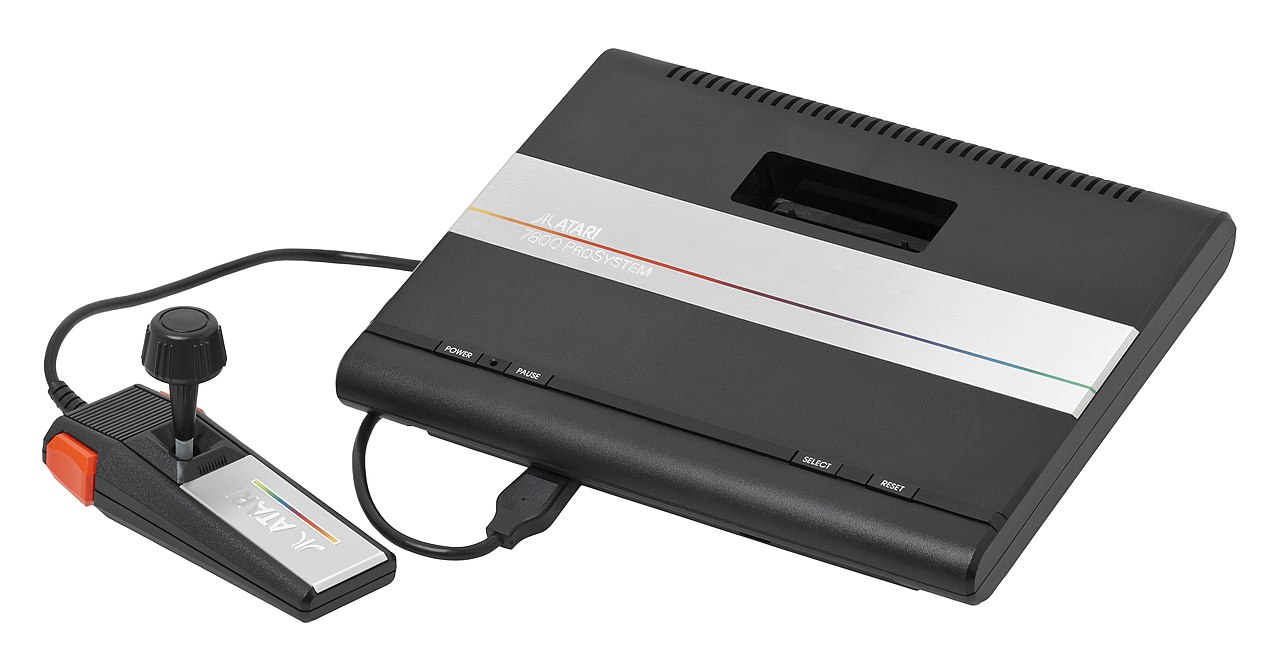
Atari 7800. The console that almost saved Atari, then didn't. Atari announced the 7800 in May 1984 at a planned $150, with its first games already built by General Computer Corporation, and then shelved it when the consumer business was sold to Jack Tramiel that July. The finished consoles sat in a warehouse for two years. When the new Atari Corp. finally released it in mid-1986, at $79.95 with seven games and a Pole Position II pack-in, it actually reached stores before the NES went nationwide that August. But it arrived with almost no software behind it: Computer Entertainer reported no new releases at all between August's Galaga and November's Xevious. The library never passed 60 games, most of them ports of 1981–83 arcade hits.
The hardware was respectable: the first Atari console with 2600 compatibility built in (most 2600 cartridges run, though a few fail on later boards), and graphics that held up well against early NES games. The problem was content. Atari Corp. released games slowly and thinly, and no third-party publisher signed on until Absolute Entertainment in 1988, by which point the 7800 had passed a million units sold. In 1989 Atari sued Nintendo, arguing that the NES licensing terms locked competitors out; in 1992 the jury found Nintendo's licensing program had caused Atari no damages.
The 7800 was phased out in North America in 1992; Europe, where it launched only in 1989, kept it longer. Today it's one of the more approachable retro libraries to complete, at 59 games, though not a cheap one. Our own price table puts a loose set at roughly $2,500, and much of that is in the 1990–91 final wave and one rare third-party cart, Froggo's Tank Command. Early consoles have an unused expansion port on the left side, which later production runs dropped.
Game Boy (1989)
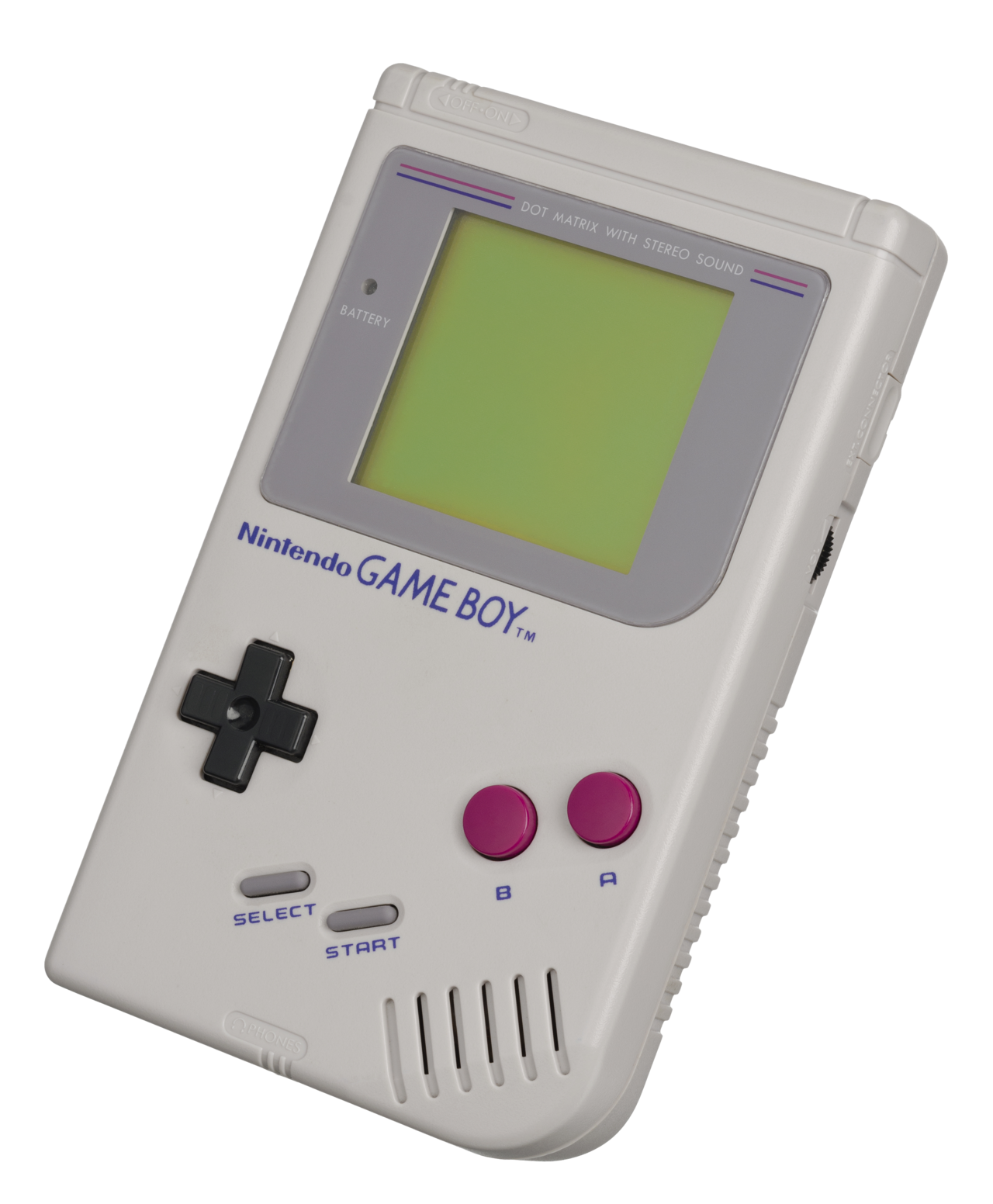
Game Boy. The most successful handheld of the 20th century, launched at the moment everyone said monochrome screens were obsolete. Nintendo's portable was technologically inferior to its competitors at every spec: a 4-shade green LCD where the Atari Lynx had full color, an 8-bit CPU when the Sega Game Gear would later ship a Master System on a chip. None of it mattered. The Game Boy ran up to thirty hours on four AA batteries; the Lynx and Game Gear ran for four to six. Battery life was the spec that mattered, and Nintendo had it.
Worldwide lifetime sales reached approximately 119 million units when production finally ceased in 2003, a fourteen-year run, roughly as long as the Atari 2600's. The launch bundle included Tetris, the single game most responsible for moving the hardware: a game so universally compelling it sold the platform to demographics that had never bought a console before. Pokémon Red and Blue repeated the feat seven years later when the platform should have been dead.
The original 1989 brick (pictured) is the iconic launch unit. Its DMG-01 LCD develops vertical line failures over time, a known issue, fixable by reseating the ribbon cable. The Pocket (1996) and Game Boy Light (Japan-only, 1998) revised the form factor and screen but ran identical software; we cover those revisions in the next chapter alongside the Game Boy Color.
Atari Lynx (1989)
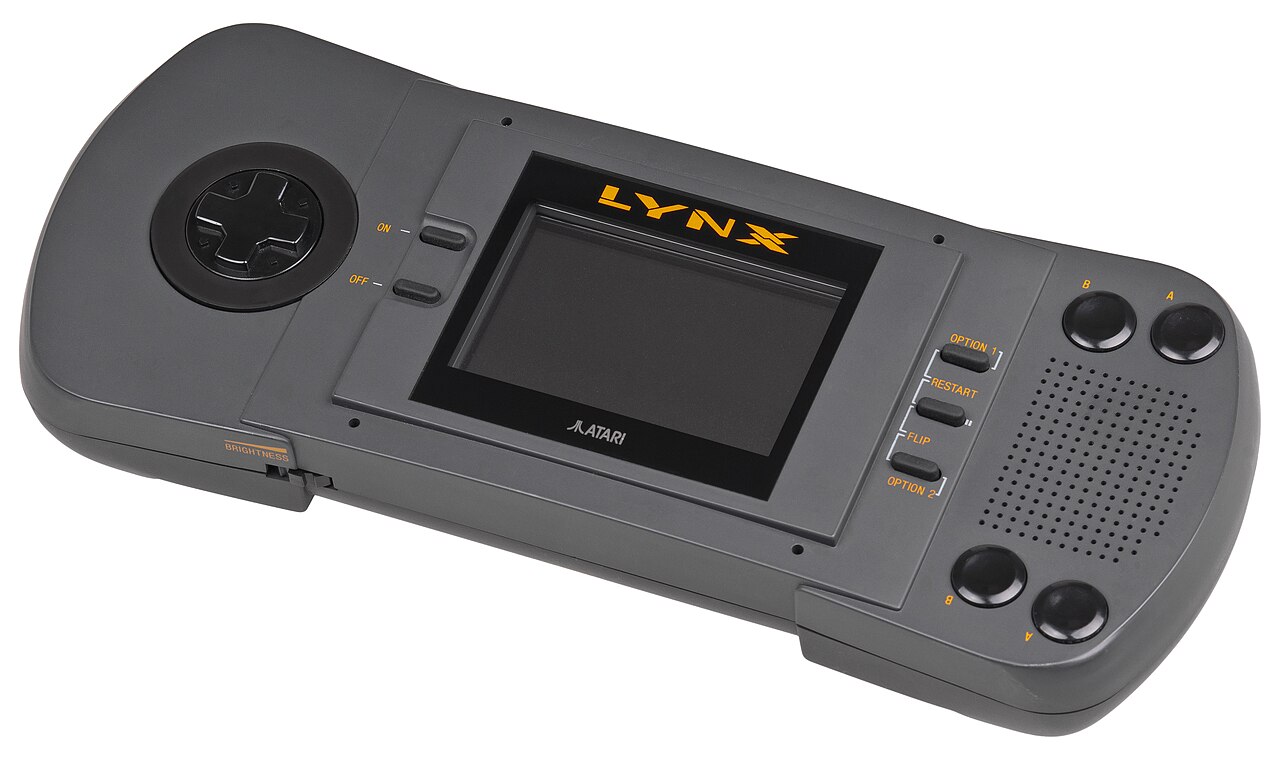
Atari Lynx. The technically superior handheld nobody bought. Atari's Lynx shipped in September 1989, two months after the Game Boy, with hardware that should have ended the contest before it began: full color, hardware sprite scaling, a backlit screen, and stereo sound. It also drew batteries like a flashlight, weighed twice what the Game Boy did, retailed at about $180 to the Game Boy's $89, and launched with five games. The price gap did not last: by January 1991 Atari had cut the Lynx to $99.95 against a $89.95 Game Boy, a $10 difference. Price stopped being the problem long before the platform did.
By the time Atari shipped the smaller, lighter Lynx II in July 1991 (pictured), the platform's commercial fate was sealed. Atari never published a lifetime sales figure and no reliable one exists: estimates in circulation run from 500,000 to 3 million, and Wikipedia settles on 2 million from a single source. Either way it is a rounding error against the Game Boy's eventual 119 million. The licensed library is 71 titles, not the 75 or 76 usually quoted — 75 was Atari's own 1991 projection for the following Christmas, a target the platform never reached. Most of the library is easy and cheap to find today; the whole thing runs about $1,850 loose.
The Lynx is one of those platforms whose collector value has crept up since the late 2010s as the console retro market matured, and the pattern is that late-run titles cost the most: sealed Lemmings clears $600, with Desert Strike, Double Dragon and Super Asteroids & Missile Command all above $200. Release year predicts price here far better than quality does. The hardware needs two caveats, though. The backlit LCD has NOT aged well — thirty-five years of backlight decay leaves every original screen dim and washed out, which is why the McWill and BennVenn IPS replacements are the standard collector mod. And the power circuit fails predictably, so recapping is the routine restoration job. Before assuming a dead unit, note that the Lynx will not power on at all without a cartridge inserted; that is normal behaviour, and it explains a great many "untested" listings.
Next: Chapter 3 — The Bit Wars (1989–1993). Sega tells America that "Genesis Does What Nintendon't" and Nintendo answers with a console twice as expensive. NEC tries to start a third front. SNK ships an arcade cabinet you can run on your couch.
Chapter 3 — The Bit Wars (1989–1993)
The phrase "Genesis does what Nintendon't" appeared on American television in 1991. It was the first time a console manufacturer had attacked a competitor by name in mass-market advertising, and it worked. By 1993 Sega had taken roughly half of the U.S. console market away from a Nintendo that, two years prior, had owned 90% of it. The Bit Wars are the moment console marketing learned to be combative, and the moment hardware specifications became a consumer feature instead of a back-of-box detail.
The five years between the Genesis launch and the original PlayStation produced four legitimate platforms (Genesis, SNES, TurboGrafx-16, Neo Geo), one early CD-ROM experiment that ended in tears (Sega CD), and Sega's first portable. By the end of the era, two things were clear. First: third-party publishers had real leverage for the first time, since Sega had broken Nintendo's lockout. Second: Japanese hardware companies were going to dominate this industry, and American consumer-electronics brands like Atari, RCA, and Coleco were never coming back.
Sega Genesis (1989)
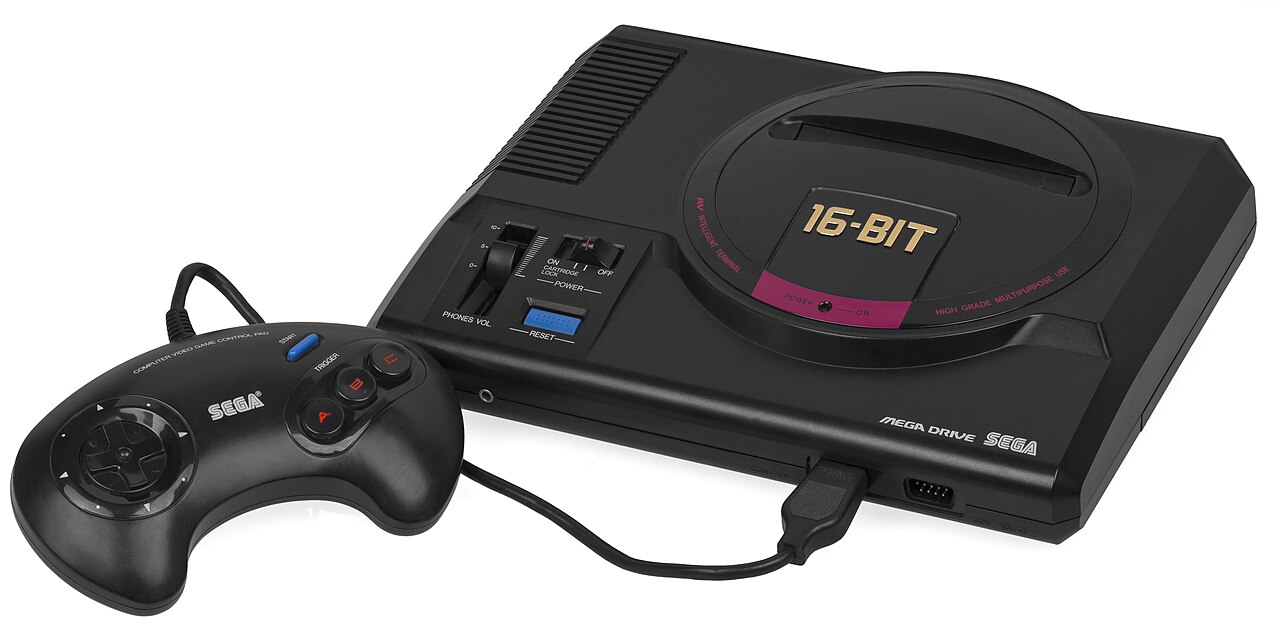
Sega Genesis. The console that turned Sega from "the company that lost the Master System battle" into Nintendo's only credible peer. Released in North America as the Genesis (the name "Mega Drive" was already trademarked here) in August 1989, the system shipped with a 16-bit Motorola 68000 CPU, a Z80 sound co-processor, and Altered Beast in the box. Hardware sales were slow until the 1991 Sonic the Hedgehog pack-in repositioned the platform with a mascot designed specifically to humiliate Mario at every spec: faster, edgier, with Marketing-approved Attitude.
By 1993 the Genesis had taken roughly half the U.S. market. Lifetime sales settled near 30 million worldwide. The original Mark 1 console pictured here is the launch revision, instantly recognizable for the "HIGH DEFINITION GRAPHICS" stripe across the top of the cartridge bay. That was an absolutely true claim relative to the NES, and an absolutely meaningless one to consumers in 1989. Collectors prize the Mk1 because its DAC produces a warmer audio signal than later revisions. The difference is audible on properly amplified setups.
Sega Genesis Model 2 (1993)
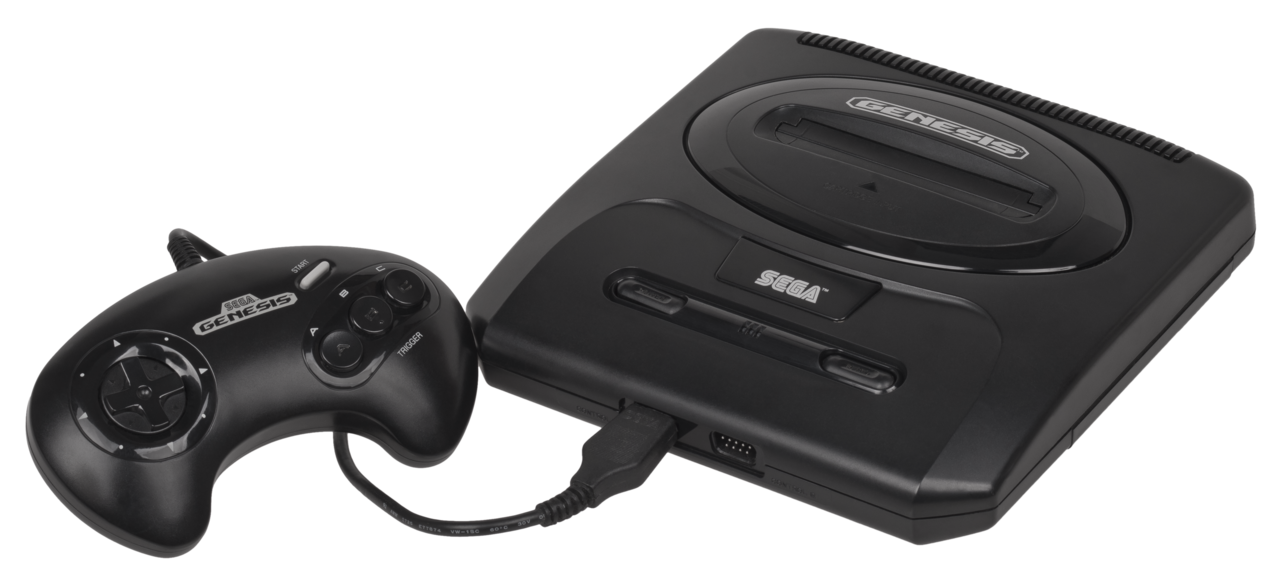
Sega Genesis Model 2. The cost-reduced redesign that Sega actually preferred you to buy. Launched in 1993, the Mk2 dropped the headphone jack, simplified the cartridge slot, swapped the original DIN AV-out for a smaller proprietary port, and swapped the discrete sound circuitry for an integrated chip that, depending on the revision, produces audio noticeably noisier than the Mk1's. Externally the Mk2 is a flatter, more rounded version of the original, instantly distinguishable by its missing top stripe.
Sega's logic was straightforward. The Mk1's BOM cost was punishing margins. The Mk2 cut about $30 of components and let Sega keep aggressive retail pricing through the SNES's strongest years. Most North American Genesis units sold from 1993 onward are this revision. Used Mk2 consoles are the cheapest path into Genesis collecting today, often available at thrift stores for $20–$40, but enthusiasts looking for the platform's "true" sound character pay a premium for original Mk1s.
Sega Genesis Model 3 (1998)
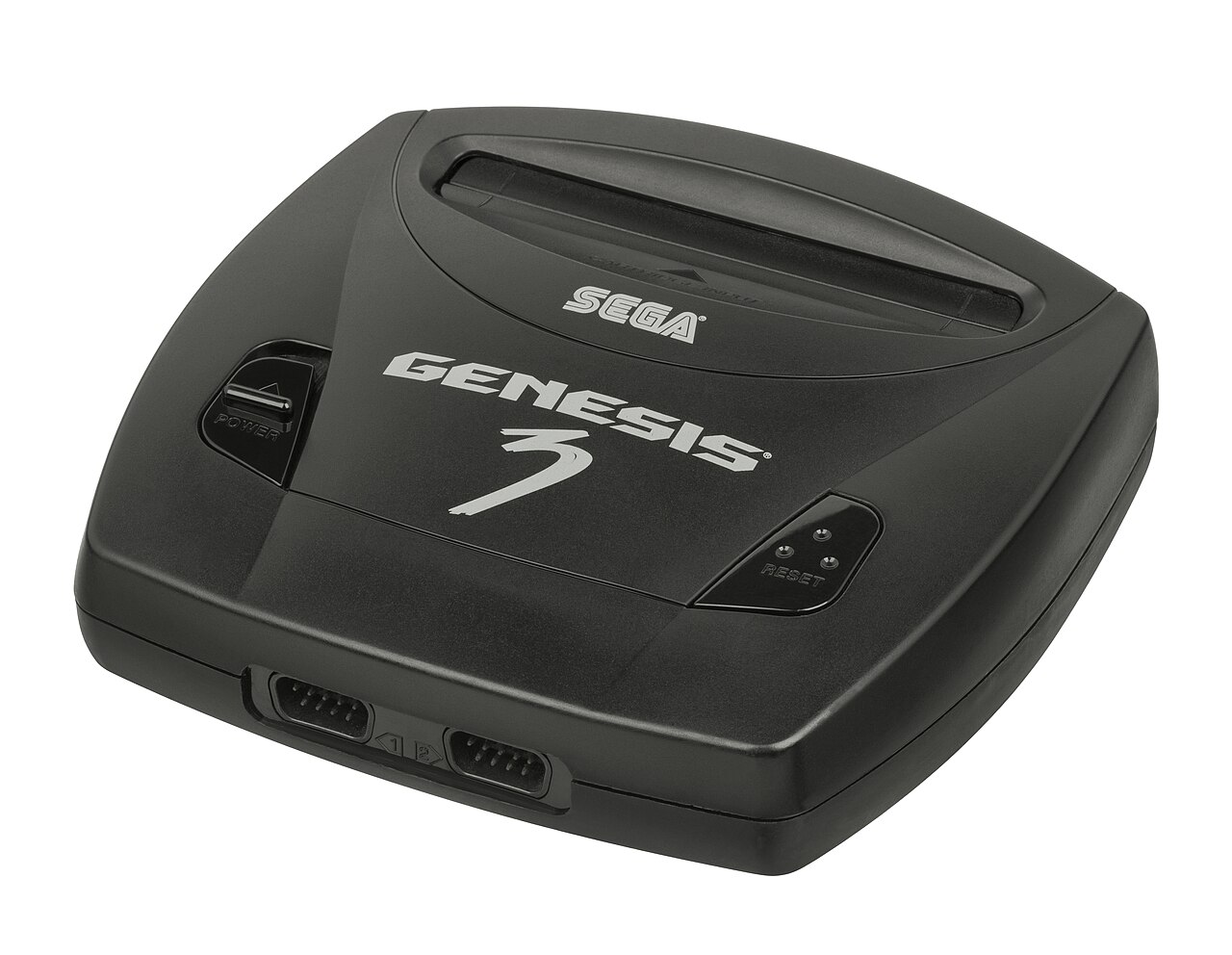
Sega Genesis Model 3. The budget afterthought, manufactured by a third party, sold while Sega was already pushing the Saturn. Majesco licensed the Genesis design from Sega in 1998 and produced this dramatically smaller, plasticky redesign aimed at the bargain-bin market. It cuts the Sega CD and 32X expansion ports entirely, drops support for the Power Base Converter (no Master System backwards compatibility), and removes the second controller's stereo audio routing.
The Mk3 is what collectors call a "play it safe" console: fine for casual emulation-quality play, useless for anyone serious about the platform's add-on ecosystem. Boxed Model 3 units are common because Majesco shipped them with packed-in cartridges (often Sonic & Knuckles) and many were stored unopened. They make poor primary consoles but excellent gifts for someone who just wants to play Sonic on real hardware without paying thrift-store-roulette prices.
Super Nintendo Entertainment System (1991)
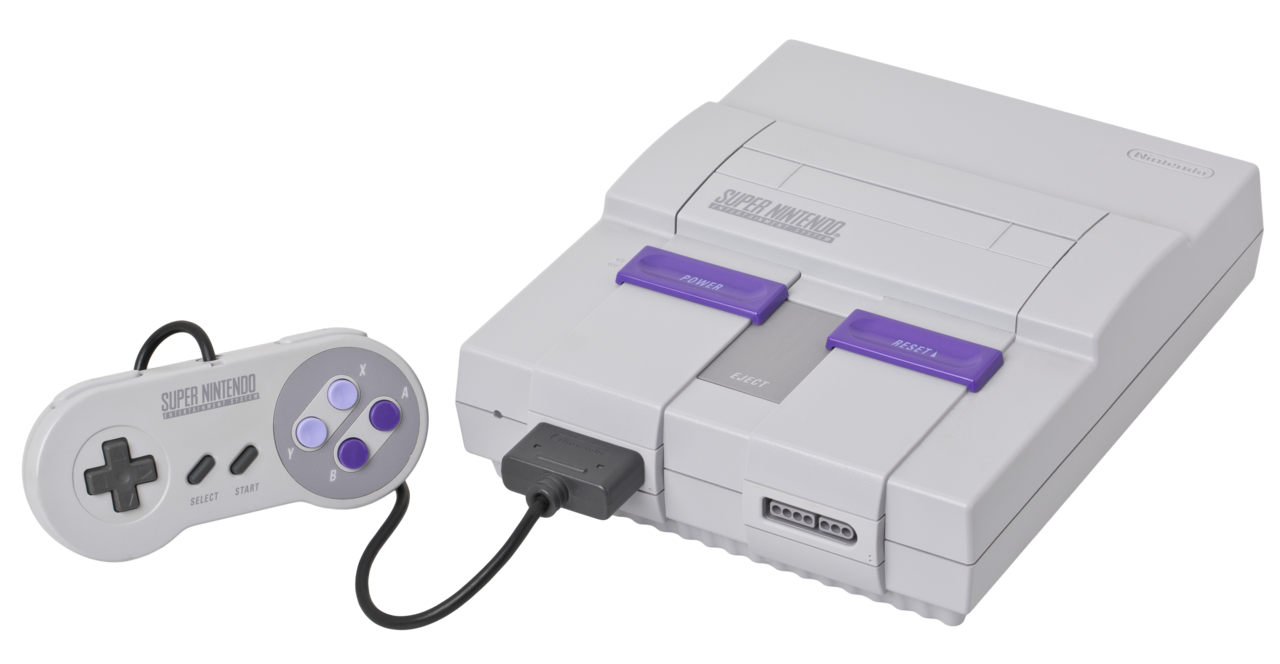
Super Nintendo Entertainment System. Nintendo's answer to the Genesis, eighteen months late, with the most sophisticated 16-bit hardware on the market. The SNES launched in North America in August 1991 with Super Mario World in the box and capabilities the Genesis could not match: a richer color palette (32,768 vs. 512), eight independent audio channels driven by a Sony-designed DSP that produced the era's best soundtracks, and Mode 7 hardware sprite scaling that let games like F-Zero and Pilotwings fake 3D in software-only simulation that would have melted any other 16-bit chip.
The price for all that power was a slower CPU than the Genesis's. The trade-off shows up in the libraries. Genesis games tend toward fast-action genres (run-and-gun, sports, racing) while the SNES library skews to RPGs, strategy, and graphically detailed platformers where processor speed mattered less than colors-per-frame. Lifetime sales reached approximately 49 million units by 1999.
The 1991 launch console pictured here is the original SNS-001 model. Nintendo issued a redesigned SNS-101 ("SNES Mini") in 1997: smaller, lighter, no eject lever. But the original is the iconic shape collectors mean when they say "SNES." Both revisions suffer from the infamous yellowing problem. The gray plastic top shell uses a different polymer than the bottom shell and oxidizes to a bright yellow under UV exposure. Restoring with hydrogen peroxide ("retr0bright") is a community standard but is reversible only with great care.
Super Famicom (1990)
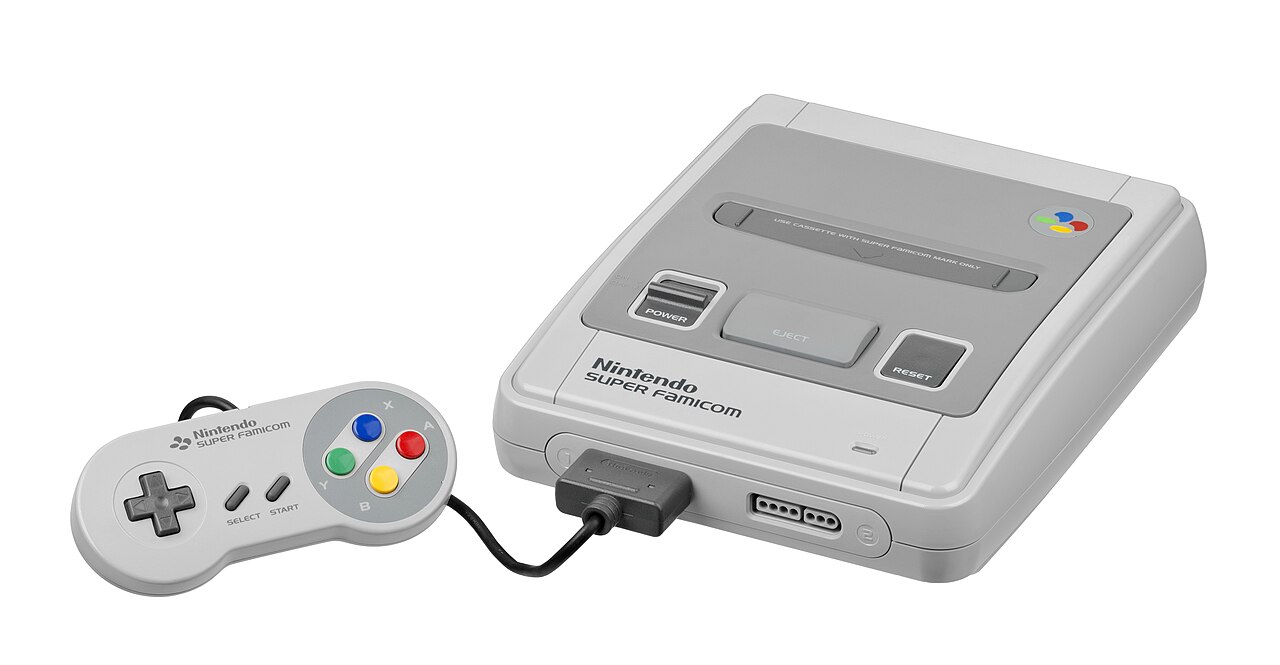
Super Famicom. The same console as the SNES, in a body that's actually pleasant to look at. Released in Japan in November 1990, ten months before the SNES, the Super Famicom keeps the cartridge design rounded and the case a clean dove gray with the four-color (red/yellow/green/blue) action buttons that became a Nintendo design signature for the next twenty years. North American collectors who've spent any time importing tend to consider the Super Famicom the more attractive industrial-design choice.
Library scope dwarfs the SNES's. Roughly 1,448 licensed Super Famicom titles shipped in Japan against 717 SNES games in North America. The gap is filled with RPGs Nintendo of America declined to localize (the Romancing SaGa trilogy, Tales of Phantasia, Final Fantasy V, Live A Live), licensed-property games that would have required separate North American agreements, and adult-themed visual novels that wouldn't have passed the Seal of Quality. The fan-translation community has since produced English patches for most major omissions, making Super Famicom hardware useful for English-speaking collectors.
The case plastic ages dramatically better than the SNES's. Same yellowing chemistry, but a different starting color makes the oxidation less visually offensive. Hardware reliability is excellent.
Sega CD (1992)
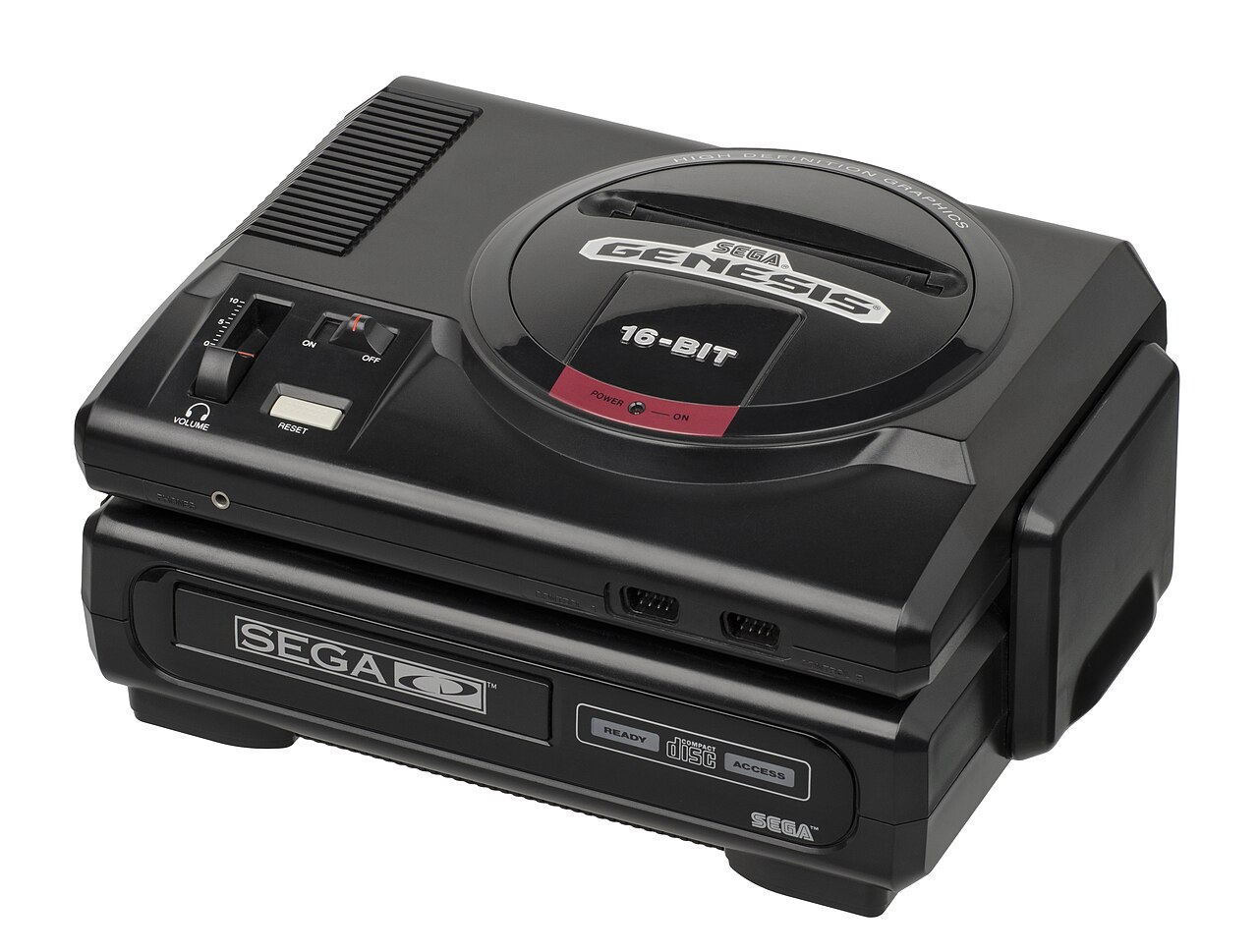
Sega CD. The first mass-market CD-ROM games console, and a cautionary tale about being early. Sega released the Mega-CD in Japan in late 1991 and the Sega CD in North America in October 1992, retailing at $299 on top of a $189 Genesis. That made the combined system one of the most expensive home electronics purchases of the era, and the launch lineup gave consumers very little reason to pay it: most games were ports with full-motion video cutscenes added.
The platform's reputation never recovered. Critics dismissed Sega CD games as "interactive movies," a label that, in 1993, was an insult. The library is dominated by FMV experiments (Night Trap, Sewer Shark, Ground Zero Texas) that have aged into kitsch. The good Sega CD games are concentrated in the back half of the platform's life: Sonic CD, Lunar: The Silver Star, Snatcher. None sold well enough to justify the platform.
Lifetime sales reached approximately 2.24 million units worldwide. The unit pictured is the Model 1 launch hardware, which sat under the Genesis like a base. The Model 2 redesign attached to the side and became the more common form factor by 1994. Working Model 1 units in good cosmetic condition command a premium on the collector market, about double a Model 2, because they look more impressive on a shelf.
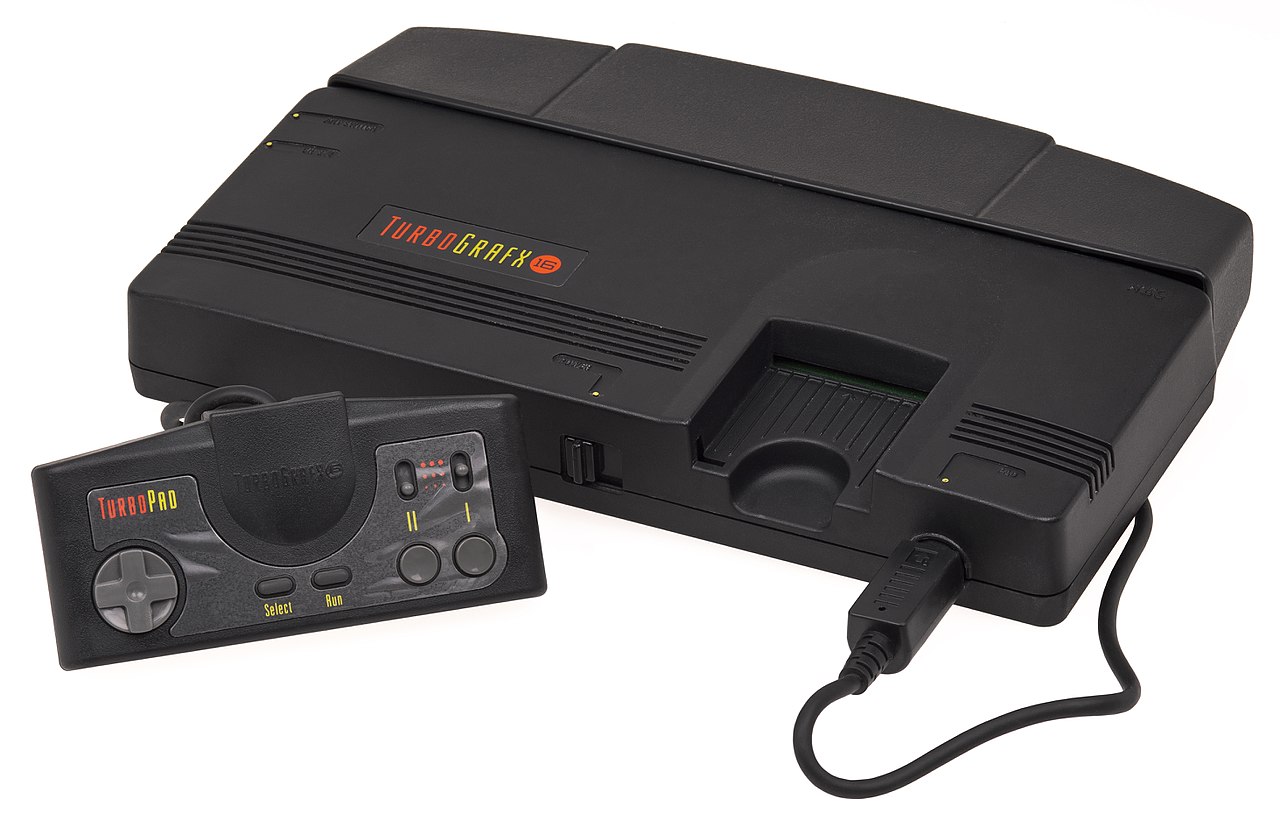
TurboGrafx-16 (1989)
TurboGrafx-16. The technically capable third-place console nobody outside Japan bought. NEC released the system as the PC Engine in Japan in 1987, where it briefly outsold both the Famicom and Mega Drive, and rebranded it for North America as the TurboGrafx-16 in 1989. The hardware combined an 8-bit CPU with 16-bit graphics, technically making it both more and less than its competitors depending on which spec mattered for a given game. The card-style HuCard cartridges (about the size of a credit card) are one of the most charming media formats the industry has produced.
In Japan the platform succeeded; the PC Engine has roughly 680 licensed titles, including some of the era's finest 2D action games (R-Type, Castlevania: Rondo of Blood, the Ys series) and an extensive CD-ROM² add-on library that predated the Sega CD by three years. In North America the TurboGrafx-16 had a tiny launch lineup, almost no mainstream marketing presence, and a catalog of about 130 games. NEC's North American operation collapsed in 1994.
Today the TurboGrafx is a serious collector's platform. Both the hardware and the games are scarce in the U.S., and import PC Engine setups have become a common collecting hobby on their own. Boxed copies of the rarest U.S. releases (Magical Chase, Bonk's Adventure CD) sell for four-figure prices. The console pictured is the standard NA TurboGrafx-16; the Japanese PC Engine is much smaller, white, and is the form factor most retro enthusiasts mean when they discuss "PC Engine" hardware specifically.
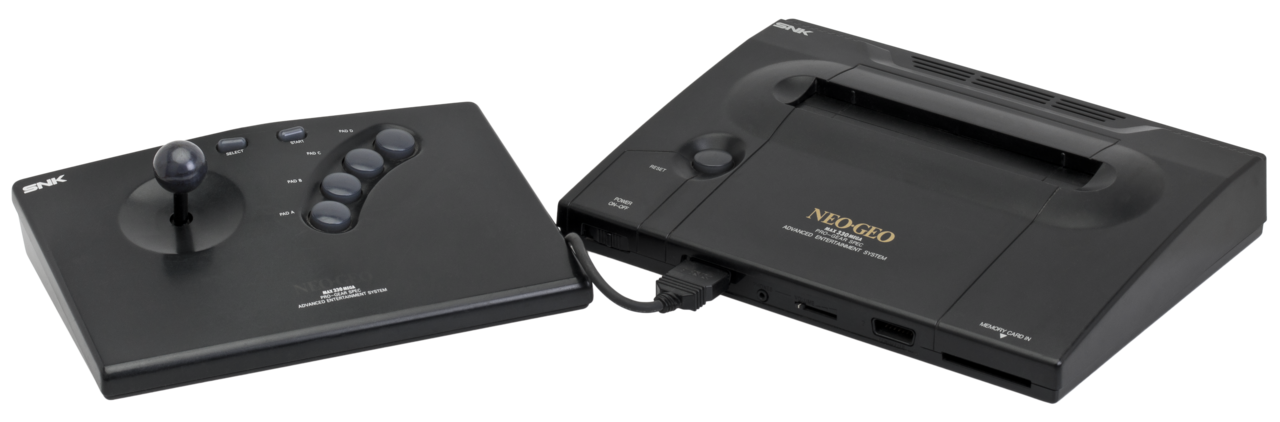
Neo Geo AES (1990)
Neo Geo AES. The home console version of an arcade cabinet, sold at arcade prices, with arcade-quality cartridges that cost as much as a complete console competitor. SNK launched the Advanced Entertainment System in 1990 at $649 with games at $200 to $300 each. Nothing else in the era was even close. The SNK pitch was simple: every Neo Geo game is identical to its arcade counterpart, because the hardware is the arcade hardware.
That was the rare marketing claim that turned out to be exactly true. Neo Geo cartridges contained more memory than entire competing consoles. King of Fighters '94 shipped on a 178-megabit cartridge in 1994; the SNES's largest cartridge that year held 32 megabits. The hardware itself (the MVS arcade boards and the AES home console) ran the same ROM with no compromises whatsoever, the only console of its generation able to make that claim.
Lifetime AES sales totaled about 1 million units, vanishingly small by Genesis or SNES standards. The library is approximately 150 commercially released titles, almost all fighting and arcade-action games. Today the Neo Geo is the most expensive vintage console to collect at the high end. Complete-in-box copies of late-life games like Metal Slug 5 and Garou: Mark of the Wolves sell for $1,500 to $5,000 depending on condition. The hardware itself is bulletproof (these are commercial-grade arcade boards in a home shell), but the membrane-style memory cards used for save data degrade and command premium prices when working.
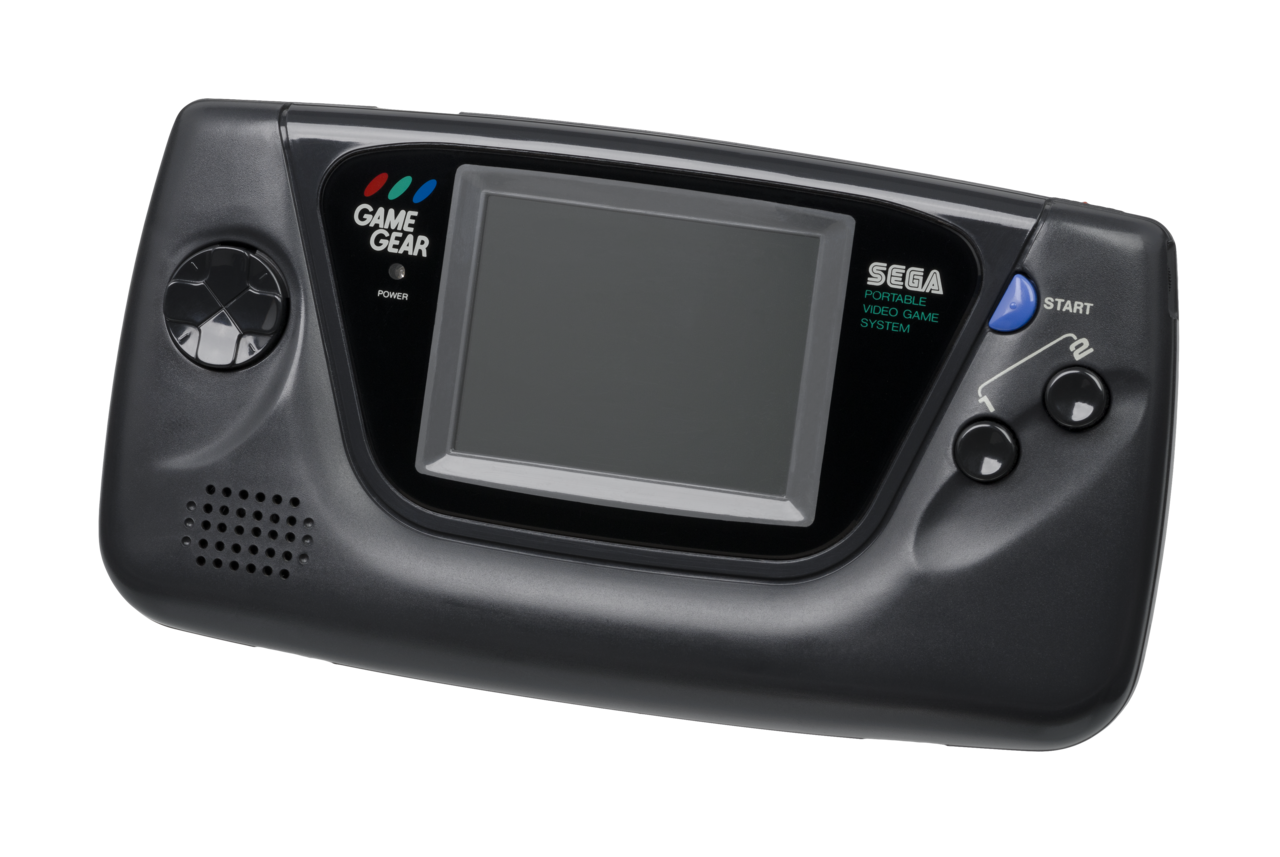
Sega Game Gear (1991)
Sega Game Gear. Sega's attempt to win the portable market with everything the Game Boy lacked. Released in Japan in October 1990 and North America in April 1991, the Game Gear is essentially a Master System on a chip with a backlit color LCD attached. The screen was its selling point: full color, backlit for low-light play, capable of arcade-quality 2D graphics. The competing Game Boy was four shades of green on an unlit LCD.
The price was battery life. The Game Gear ran six AA batteries flat in three to five hours; the Game Boy ran four AAs for fifteen to thirty depending on screen brightness and how generous you were being about "playable." Sega sold rechargeable battery packs, AC adapters, and even a TV-tuner accessory that turned the handheld into a portable color television, but none of it solved the underlying problem: people use handhelds in places where outlets aren't available.
Lifetime sales reached 11 million units, strong for a second-place finish but a fraction of the Game Boy's eventual 119 million. The library reached approximately 360 games, with significant Master System overlap. The Game Gear's most predictable failure mode is capacitor leakage on the display board: virtually every original unit needs a recap to display correctly, which is why working Game Gears at retro shops cost noticeably more than non-working ones. Restoration is a standard hobbyist project; replacement IPS LCDs are widely available and dramatically improve the original's washed-out screen.
Next: Chapter 4 — The 3D Revolution (1993–1998). Sony enters the console business by accident and wins it on purpose. Nintendo gambles on a cartridge against a CD. Atari and Panasonic try to start fights. SNK ships a handheld nobody asked for, and Nintendo ships a 3D one nobody played for long.
Chapter 4 — The 3D Revolution (1993–1998)
In 1988, Nintendo signed a contract with Sony to develop a CD-ROM add-on for the Super Nintendo. In 1991, Nintendo publicly humiliated Sony at CES by announcing a different partnership with Philips and walking away from the original deal. Sony, embarrassed, decided to ship the working prototype as a standalone console. Three years later that prototype became the PlayStation, and within a generation Sony had taken Nintendo's market dominance.
The 1993–1998 era is the moment 3D graphics became table stakes. Every console launched in this window committed to polygons; every one that didn't was punished for it. The casualties were spectacular: Sega's three concurrent platforms (Saturn, Sega CD, 32X), Atari's Jaguar, the Panasonic 3DO, the Apple-Bandai Pippin, and Nintendo's spectacularly miscalculated Virtual Boy all died in this window. The survivors (PlayStation, Nintendo 64, and the Game Boy family) defined the next twenty years of console gaming.
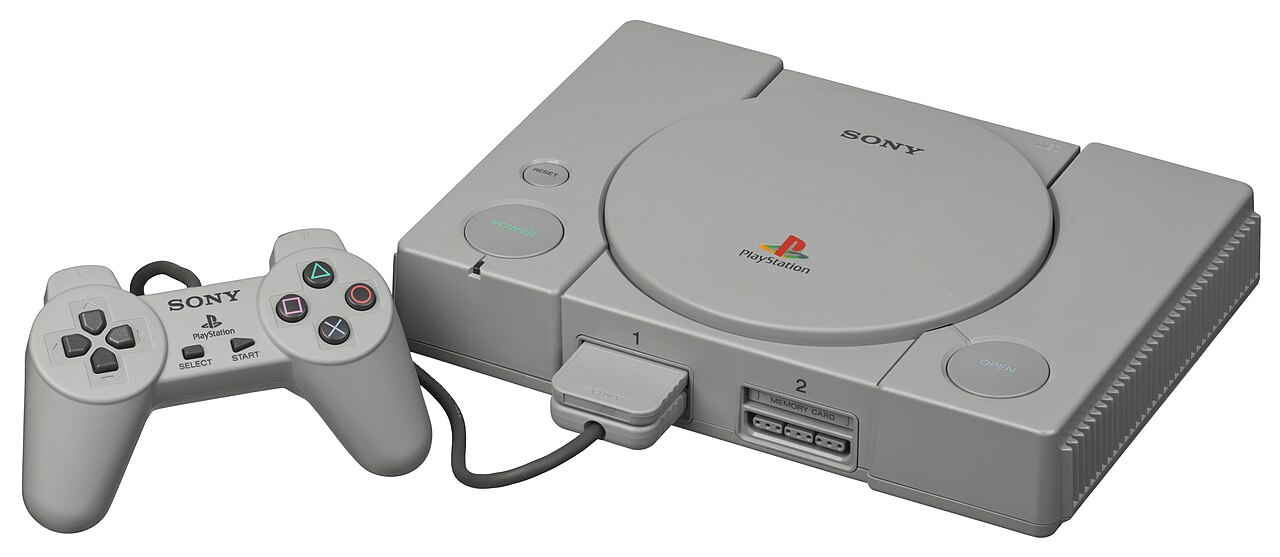
PlayStation (1994)
PlayStation. The console Sony shipped because Nintendo broke a contract. Released in Japan in December 1994 and worldwide in 1995, the original PlayStation (designated SCPH-1001 in North America) shipped with 3D-optimized hardware, a CD-ROM drive that gave it 700 MB of storage per disc against Nintendo's eventual 64 MB cartridges, and a developer tools package that was friendly compared to the deliberate hostility Sega and Nintendo had built into their dev environments. Major studios switched within a year.
By 2002 the PlayStation had sold 102 million units worldwide and shipped a library of approximately 4,100 licensed games, both numbers higher than any console ever produced before it. The platform's defining titles (Final Fantasy VII, Metal Gear Solid, Resident Evil, Gran Turismo) are still cultural references today; Sony's marketing budget and demographic targeting moved console gaming from a children's category to a mainstream-adult one almost single-handedly.
The original 1994 launch unit (SCPH-1001) pictured here is what collectors mean when they say "fat PlayStation" or "PSX." Sony issued nine progressively cost-reduced revisions over the lifetime of the platform, culminating in 2000's PSone redesign, a tiny, plasticky version with an optional bolt-on LCD screen. The original gray box has the strongest collector market today; the laser assembly is the predictable failure point and replacement lasers are widely available for under $30.
Nintendo 64 (1996)
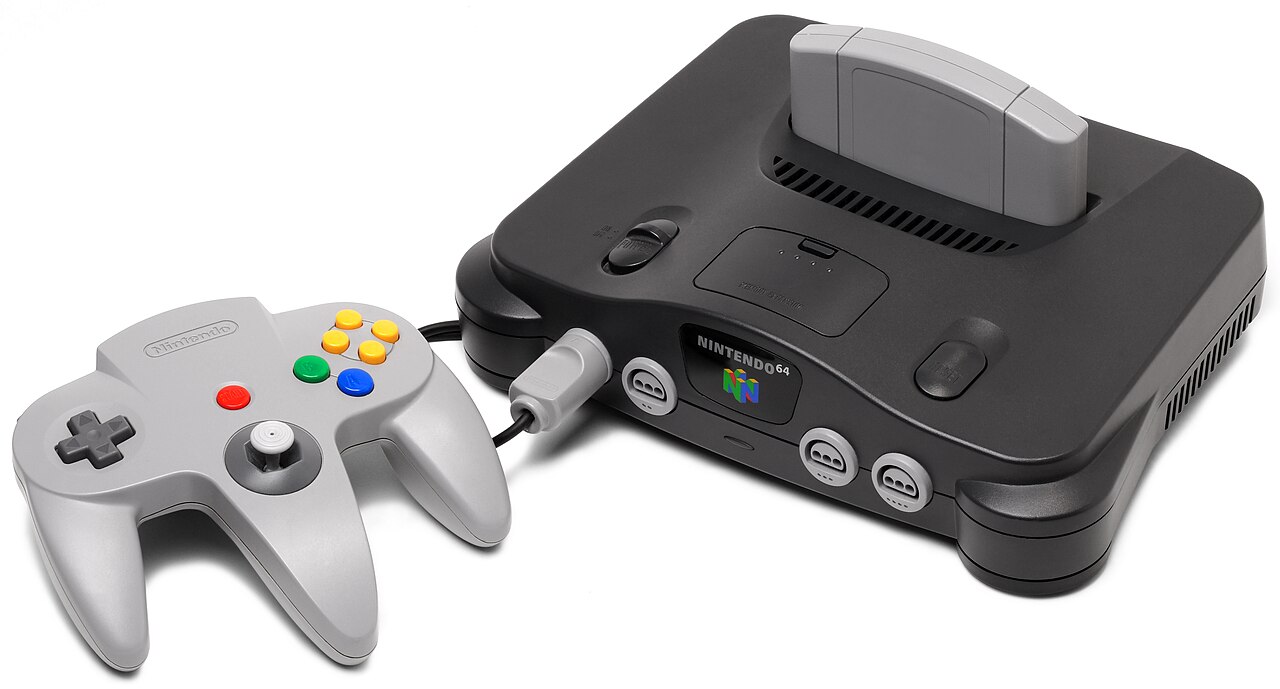
Nintendo 64. Nintendo's biggest gamble and biggest miss in the same console. The N64 shipped in June 1996 in Japan and September 1996 in North America, almost two years after the PlayStation, with hardware capable of better-looking 3D than Sony's machine: a Silicon Graphics-derived 64-bit CPU, hardware antialiasing, and a custom GPU SGI built specifically for the platform. Super Mario 64 and The Legend of Zelda: Ocarina of Time set genre conventions that survive today.
The decision that wrecked the platform was the choice of cartridges over CDs. Nintendo's reasoning was sensible (faster load times, no scratchable media, harder to pirate), but the cost-per-megabyte gap was punishing. A typical N64 cartridge cost Nintendo 10 to 15 times what a PlayStation CD cost Sony to manufacture, and that cost passed to the publisher and ultimately to the consumer. By 1997 third parties were defecting. Square, which had built its franchise on Nintendo platforms since the original Famicom, moved Final Fantasy VII to PlayStation specifically because the cartridge format couldn't hold the game's video sequences.
Lifetime sales reached approximately 33 million units against the PlayStation's 102 million. The library settled at 388 commercially released titles globally, the smallest of any major console of its generation. The console pictured is the standard charcoal launch unit; Nintendo released over a dozen translucent color variants (Atomic Purple, Jungle Green, Watermelon Red, Smoke Black) over the platform's life, and complete-in-box sealed examples in rare colors sell for thousands.
Sega Saturn (1995)
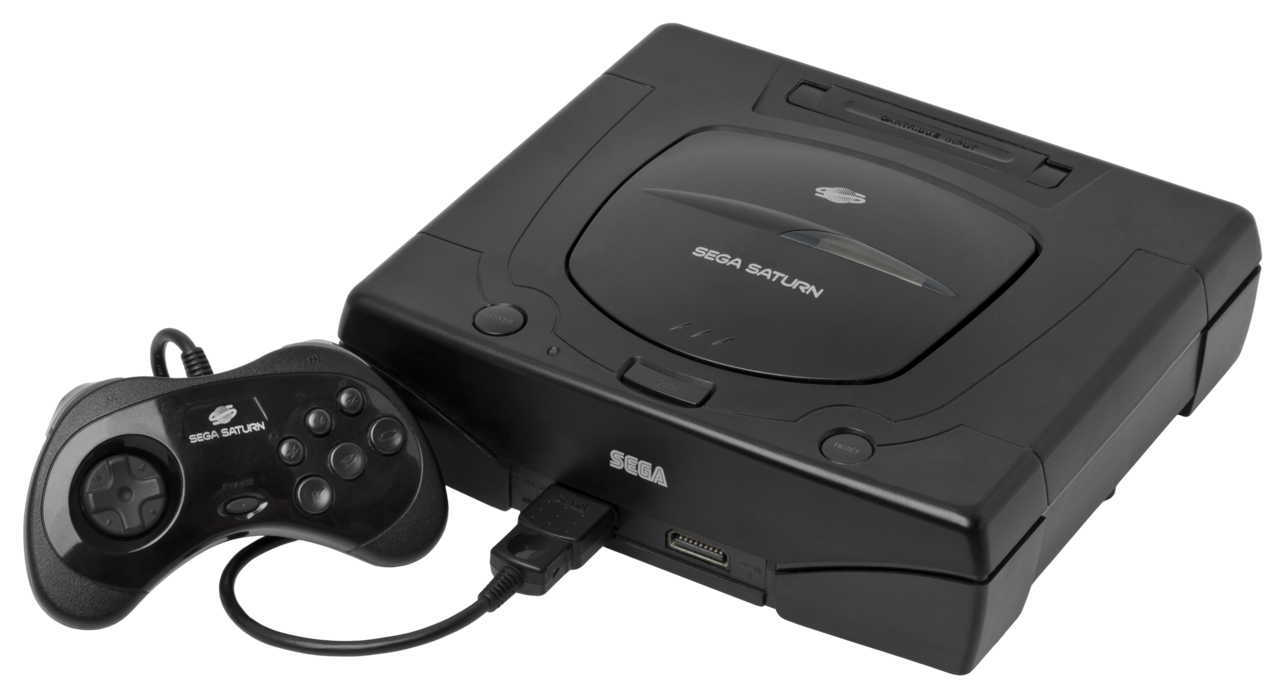
Sega Saturn. The console Sega launched four months early in panic and never recovered from. The Saturn shipped in Japan in November 1994 and was originally scheduled for North America in September 1995. At E3 in May 1995, Sega's American CEO announced the platform was already in stores and shipping, a stunt that surprised retailers, ambushed publishers who weren't ready, and meant the launch lineup was a half-finished mess. Sony's PlayStation arrived four months later with a full launch slate, $100 cheaper, and crushed the Saturn out of the gate.
The hardware was the other problem. The Saturn's dual-CPU architecture (two Hitachi SH-2 processors) was theoretically powerful but punishingly hard to program for. Most third-party engines were written for the PlayStation's simpler architecture and ported to Saturn at noticeable visual quality loss. Where the Saturn shines is 2D. Its sprite hardware is the most sophisticated ever shipped in a home console, and the platform's 2D arcade ports (Capcom fighters, Radiant Silvergun, the Saturn Bomberman series) are reference-quality.
Lifetime sales reached approximately 9.26 million units worldwide, disastrous against the PlayStation. Today the Saturn is one of the more expensive vintage platforms to collect, partially because of low install base and partially because the import-only Japanese library contains some of the best 2D shooters and arcade ports ever produced. Radiant Silvergun (1998) regularly sells for $400 to $700 boxed.
Sega 32X (1994)
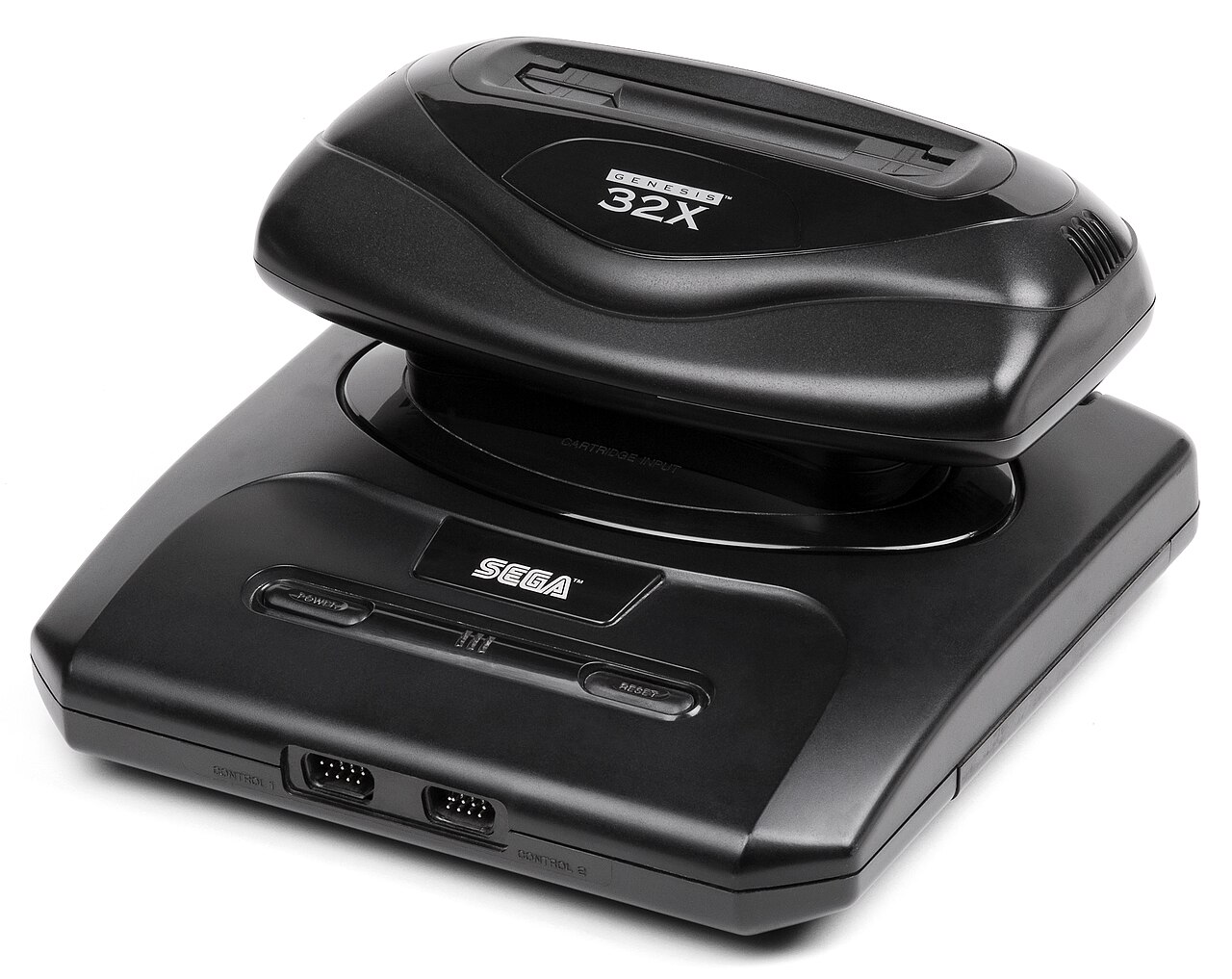
Sega 32X. The add-on Sega shipped to bridge the Genesis to the Saturn and ended up confusing every customer they had. Released in November 1994 at $159, the 32X plugged into the Genesis cartridge slot and added 32-bit processors that promised "near-Saturn performance" while protecting Sega's existing Genesis install base. The reality was that the 32X's library was rushed (only 40 commercial games released globally), the device required a tangle of cables to connect properly, and the Saturn launched in North America five months later, making the 32X obsolete the moment it shipped.
The platform was effectively dead by mid-1995. Sega quietly dumped remaining inventory at $99, then $19, then nothing. The picture above shows the 32X attached to a Genesis Model 2, the only configuration anyone ever actually used. The library is small, easy to complete, and one of the cheapest "real" Sega platforms to collect. Most 32X games can be bought loose for $5 to $25 each, with only Knuckles' Chaotix (the platform's only Sonic-team title) commanding meaningful prices.
The 32X is mostly remembered today as the canonical example of platform-fragmentation gone wrong. Sega in 1994 was simultaneously selling Genesis hardware, Sega CD hardware, 32X hardware, and announcing the Saturn: four platforms competing for the same shelf space and the same publisher commitments.
Atari Jaguar (1993)
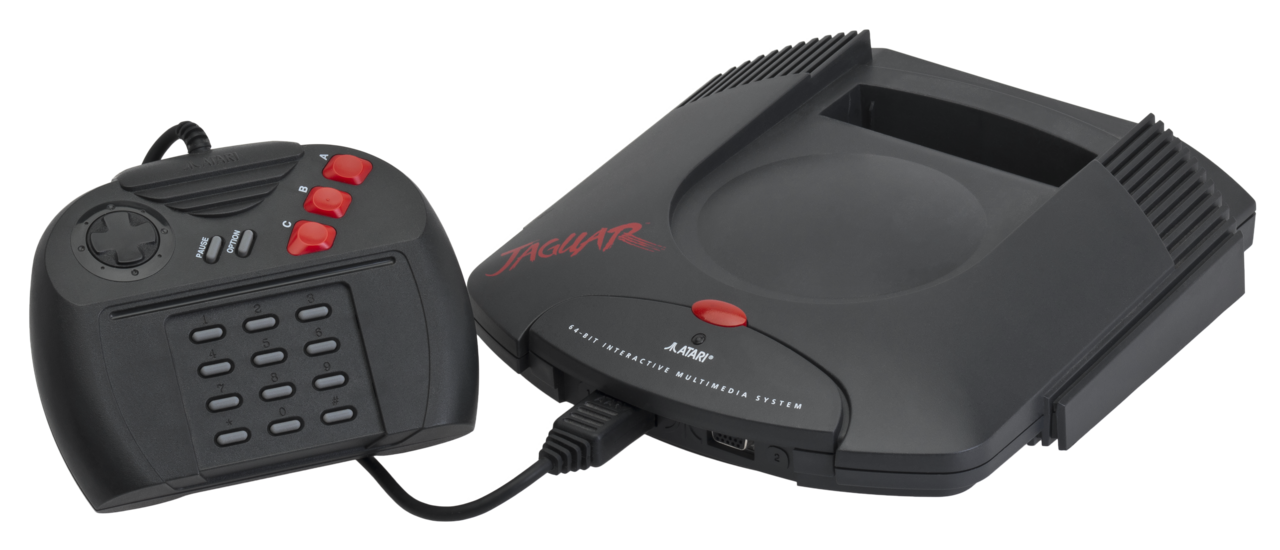
Atari Jaguar. The "first 64-bit console," a marketing claim that was true if you squinted and meaningless either way. Released in November 1993 at $249.99, the Jaguar combined an asymmetric multi-processor architecture (a 16/32-bit Motorola 68000 coordinating two custom 32-bit RISC chips, Tom and Jerry, with a 64-bit data path only on parts of the graphics pipeline) that was, on paper, the most powerful console ever shipped. In practice, programming it was so difficult that even Atari's first-party developers struggled. Most Jaguar games run noticeably below their advertised specifications.
The licensed library is 63 titles — 50 cartridges and 13 Jaguar CD releases, not the 75 or 76 often quoted — with the platform's reputation resting on three games: Tempest 2000 (universally regarded), Alien vs Predator (good for its era), and Iron Soldier (overlooked at the time, well-regarded by collectors). The Jaguar CD add-on launched in September 1995, sold poorly, and is one of the rarer console accessories of the era. It has now passed the console itself in value: roughly $1,280 loose and $1,500 complete.
Atari Corporation itself collapsed in 1996 and the Jaguar was discontinued. The widely-quoted 250,000 figure conflates production with sales: Atari's own Form 10-K reports approximately 100,000 units sold by the end of 1994, and roughly 125,000 lifetime is the defensible number against about 225,000 produced. The platform is unusual in collector economics. Because the install base was so concentrated and the library so finite, a complete licensed set is genuinely achievable — though not cheap: about $3,600 for all 63 loose, or $4,100 with a console. The console pictured is the standard Jaguar; the controller (with its three-button main pad and twelve-button overlay-driven keypad) is one of the more unusual pieces of game hardware ever produced.
3DO Interactive Multiplayer (1993)
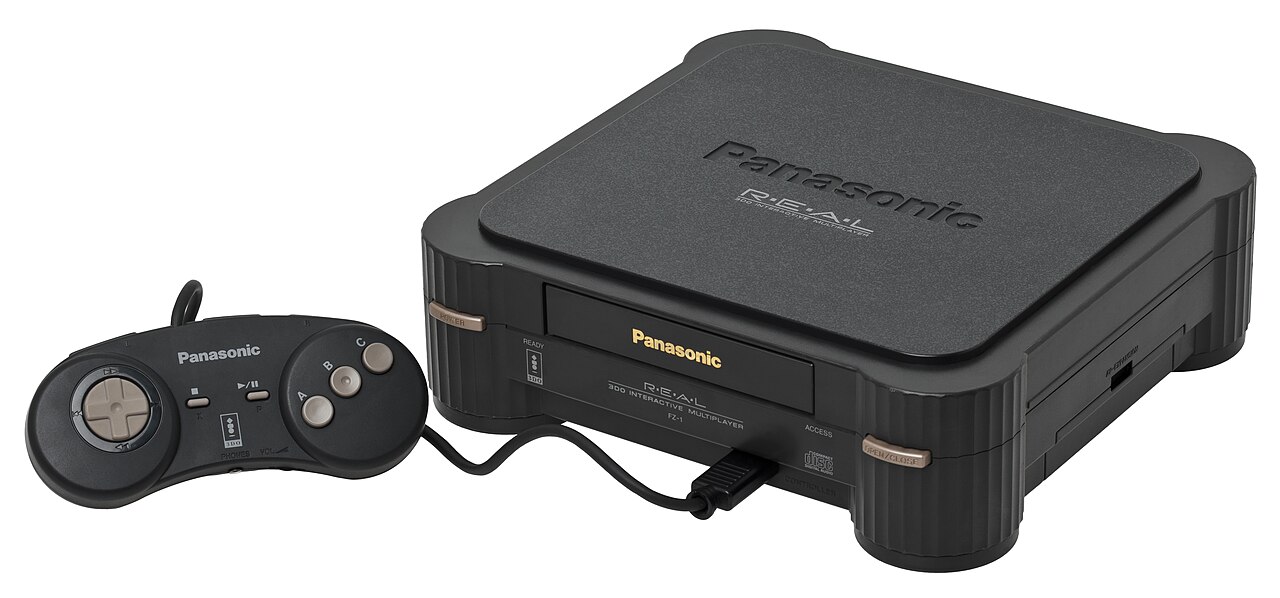
3DO Interactive Multiplayer. The platform that wasn't a platform but a standard. Trip Hawkins (founder of Electronic Arts) designed the 3DO as a hardware specification that any consumer-electronics company could license and manufacture. Panasonic shipped the FZ-1 model first in October 1993; Goldstar (later LG) and Sanyo eventually shipped their own 3DO units as well. The retail price was the brutal differentiator: $699 at launch, against a $299 Genesis.
The hardware was capable for its era (full 32-bit performance two years before the PlayStation), but the licensing model meant 3DO never had aggressive first-party software. Hawkins's 3DO Company collected royalties on hardware and software, which discouraged publishers from developing exclusive titles when they could ship the same game on cheaper Saturn or PlayStation hardware later. The library reached about 320 games over the platform's three-year life.
The Panasonic FZ-1 pictured here is the launch model and the form factor most North American 3DO collectors mean. Goldstar and Sanyo variants are visually distinct, regionally rare, and serious collectors typically own at least one of each. Hardware survival rate is high (these were quality consumer-electronics builds), but the laser assemblies degrade and replacement parts are difficult to source. Most Goldstar units sold today need a laser swap.
Virtual Boy (1995)
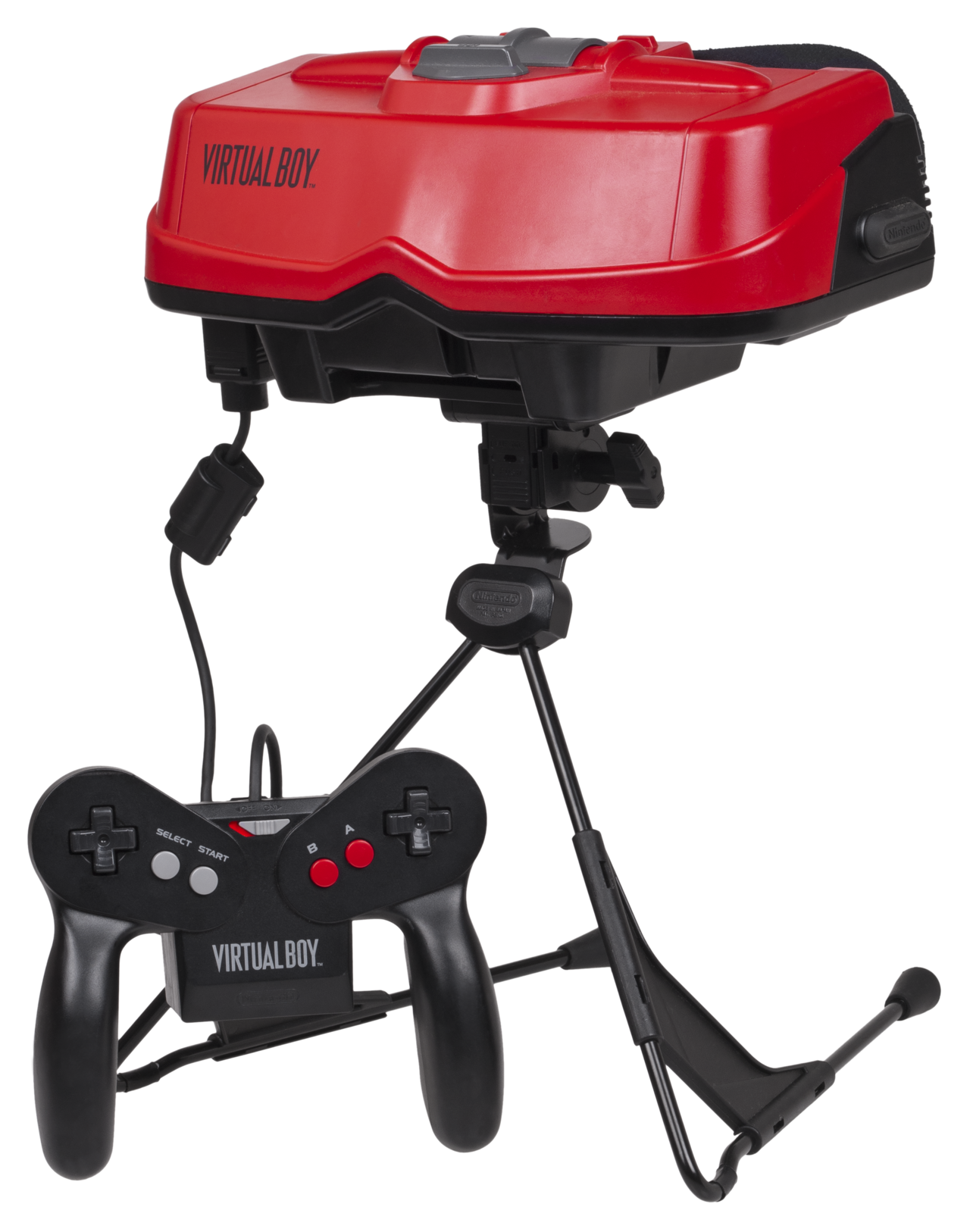
Virtual Boy. Nintendo's most expensive failure as a percentage of investment. Released in 1995 at $179, the Virtual Boy promised "real 3D" through stereoscopic dual-LED displays and a tabletop tripod stand. The actual experience was bright red monochrome graphics, a head position that strained the neck within minutes, and a price point that meant parents bought it instead of an SNES with Donkey Kong Country.
Nintendo discontinued the platform less than a year later. Total sales reached approximately 770,000 units worldwide, against initial projections of 3 million in the first year alone. The library is 22 games, total: the smallest commercial library Nintendo ever shipped on a real platform. Virtual Boy Wario Land is the one undisputed classic, with Galactic Pinball, Red Alarm and the Japan-only Space Squash the other titles worth the hardware. Jack Bros. matters for a different reason: it was the first Shin Megami Tensei game released in North America, which is why it commands the platform's highest North American cartridge price.
Today the Virtual Boy is one of the strangest pieces of Nintendo collector hardware. Working units in good condition are scarce (the displays use ribbon cables that fail predictably; many surviving units have one or both eyes flickering or dead), and the small library is less affordable than it looks: all 22 games complete-in-box runs about $10,200 at current prices, or roughly $6,000 loose, because the Japan-exclusive titles at the top — Virtual Lab and SD Gundam: Dimension War — are four-figure cartridges on their own. The platform has a small but devoted hobbyist scene producing display fix kits and homebrew software.
Game Boy Pocket (1996)
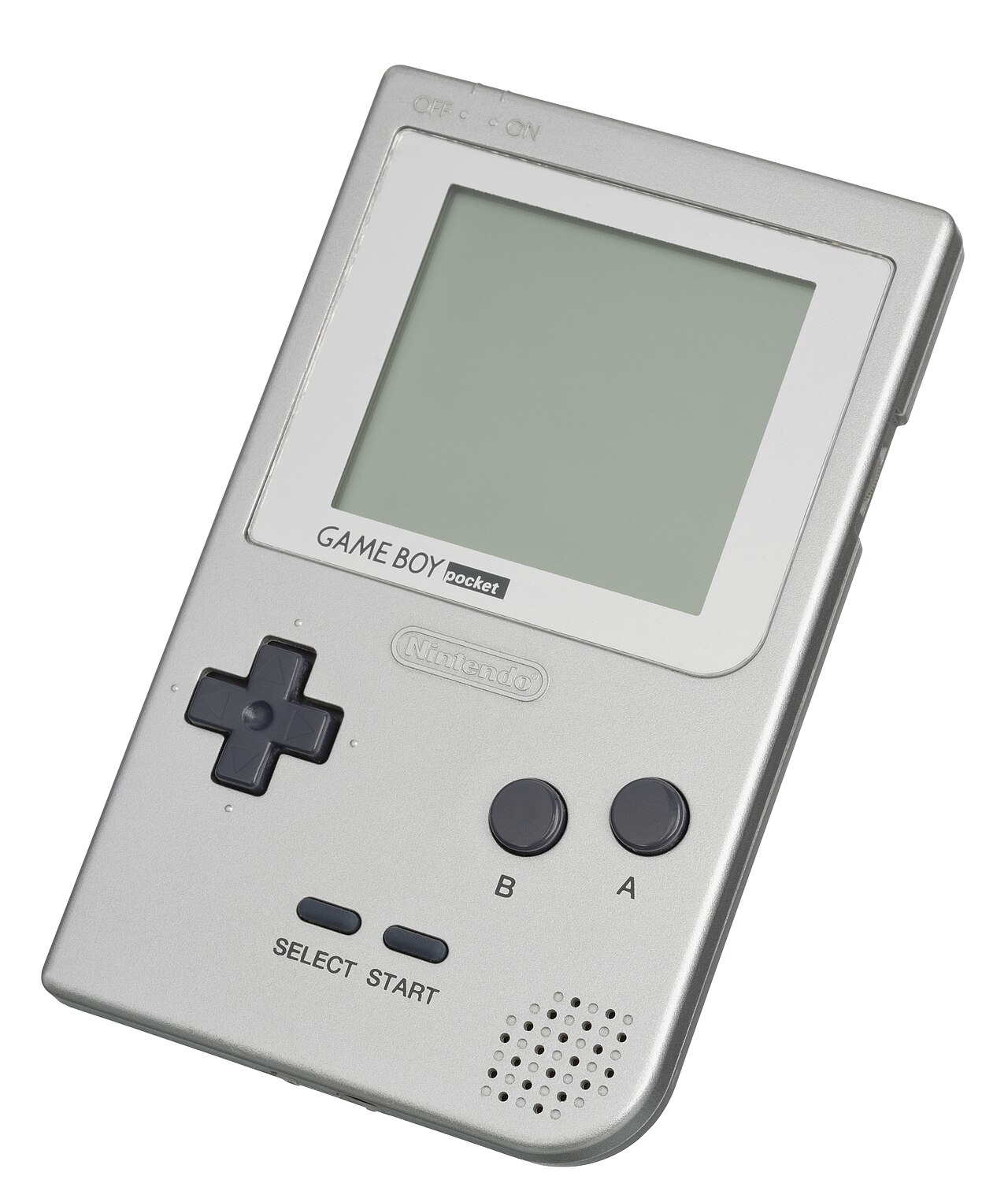
Game Boy Pocket. Nintendo's first redesign of the original Game Boy, two years after Sega had abandoned the Game Gear. The Pocket shipped in July 1996 with a smaller form factor (about 30% lighter than the DMG-01), a true black-and-white LCD that replaced the original's green-tinted screen, and battery life dropped to two AAA cells from the DMG's four AAs. It plays every original Game Boy cartridge identically.
The Pocket was a stopgap product. Nintendo knew the Game Boy Color was eighteen months out and the Pocket was meant to keep the platform fresh against PSP and Saturn marketing. Sales were strong but not transformative. The Pocket added perhaps 10 million to the Game Boy line's total. The platform's most distinctive feature today is that black-and-white LCD, which produces a noticeably crisper image than either the original DMG or the eventual Game Boy Color.
The Pocket pictured here is the standard silver model; Nintendo also shipped Atomic Purple, Atomic Pink, Yellow, Red, Green, and a range of special-edition colors. The Pocket's failure point is the screen ribbon cable, exactly like the original Game Boy. Common restoration: replace the cable, swap the LCD with an IPS retrofit, and the unit ships with a backlit screen the original never had.
Game Boy Color (1998)
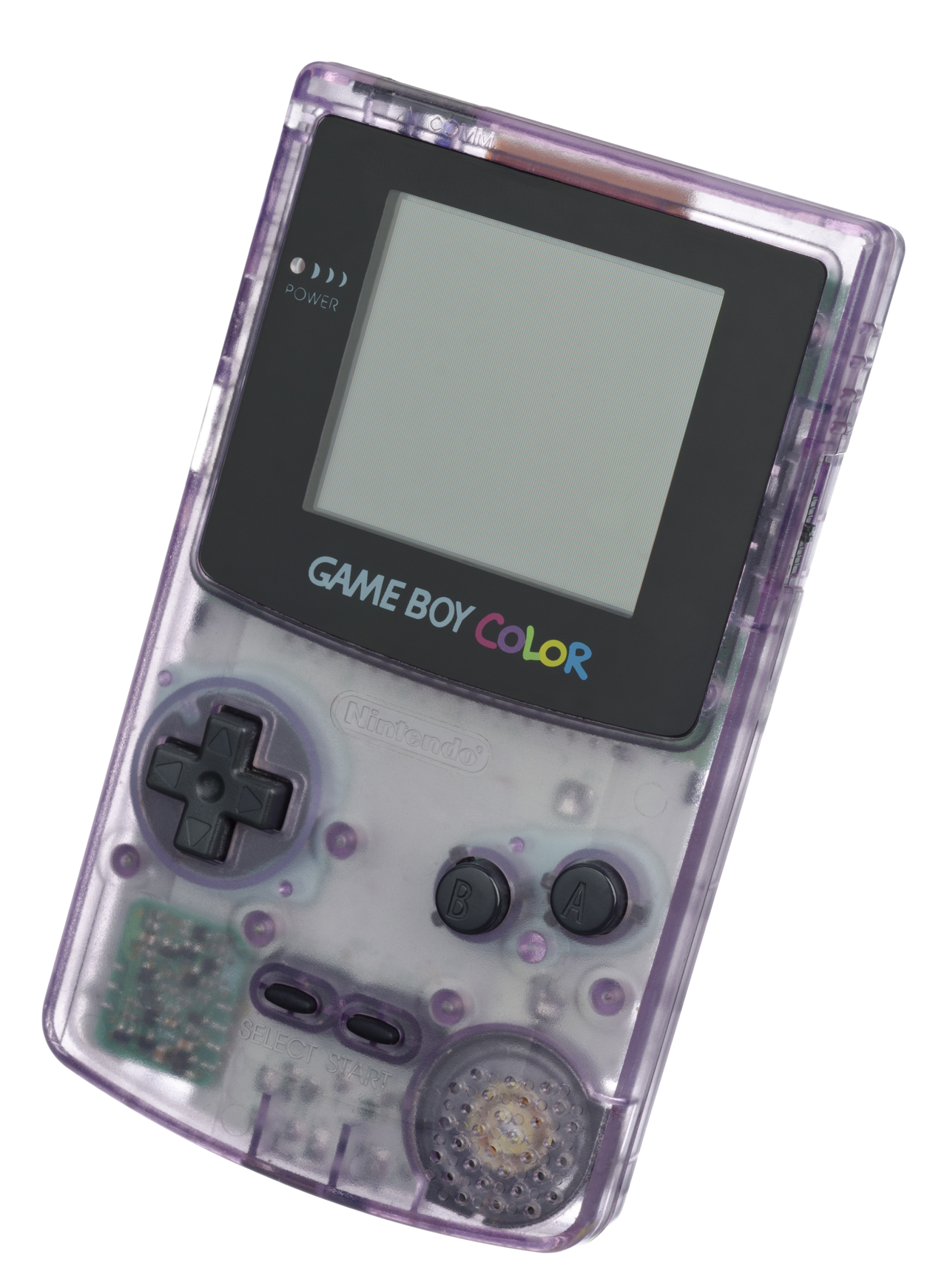
Game Boy Color. The bridge from monochrome handheld gaming into the modern era. Nintendo released the GBC in October 1998 with a color screen, a faster CPU than the original Game Boy, and full backwards compatibility with the entire Game Boy library, meaning at launch the GBC had the largest software catalog of any handheld in history. The 32 KB of RAM bump enabled new game categories that Game Boy hardware couldn't run, including most modern Pokémon games (Pokémon Crystal, Pokémon Gold/Silver) and the Color-only platformers like Wario Land 3 and Shantae.
Lifetime sales (combined with the original Game Boy line) exceeded 118 million units. The Color-only library reached 576 games globally; the playable-on-Color (i.e., backwards compatible Game Boy plus enhanced) library covered nearly 1,500 titles. The GBC remained Nintendo's portable workhorse until the Game Boy Advance launched in 2001.
The console pictured is the iconic Atomic Purple, the model most North American collectors associate with the platform. The GBC was sold in over 30 official color variants (Berry, Dandelion, Grape, Kiwi, Teal, plus Pikachu and Pokémon special editions), making complete-set collecting a demanding hobby. Hardware reliability is excellent; the screen is the only common failure point and IPS replacements are widely available.
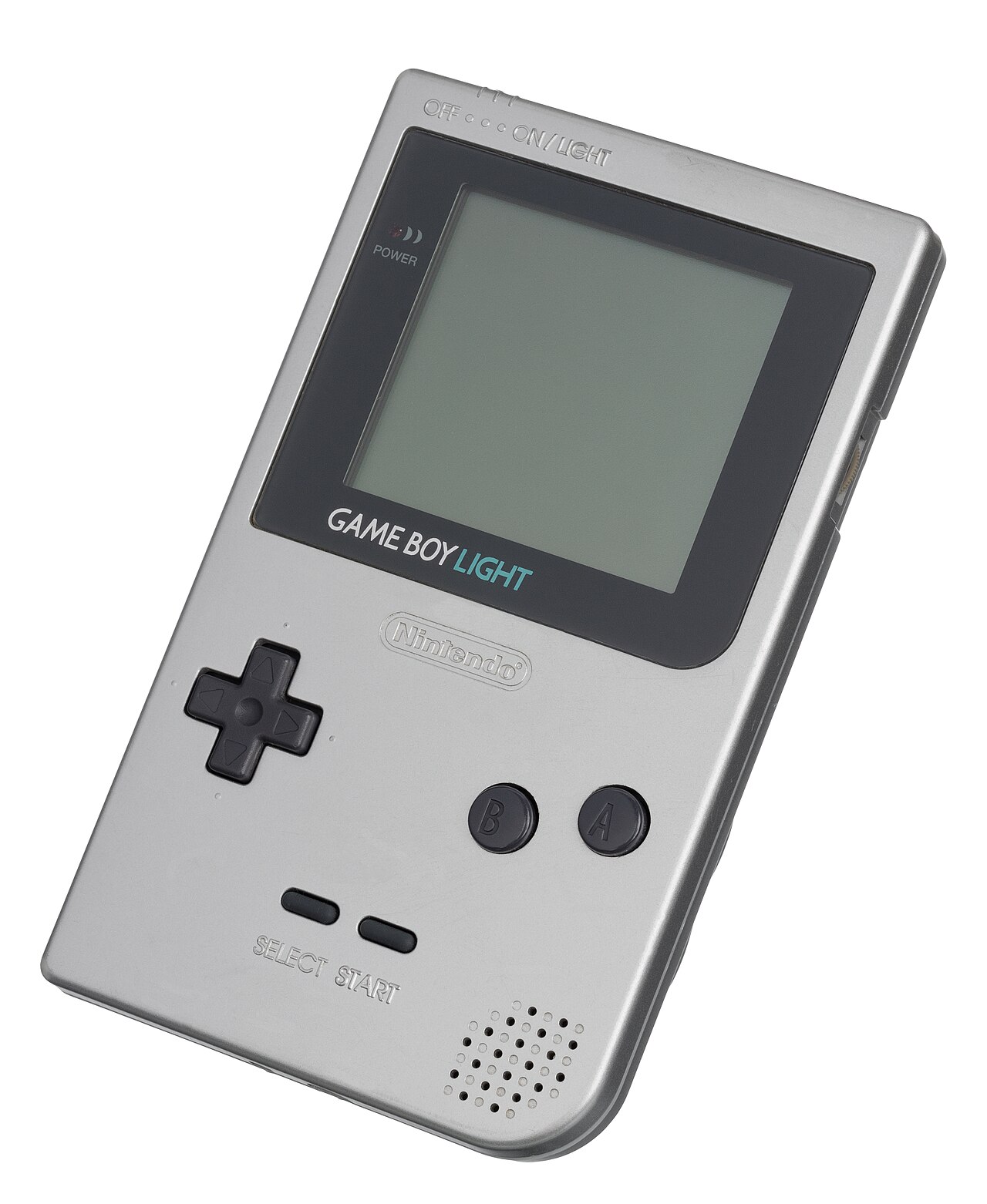
Game Boy Light (1998)
Game Boy Light. The Japan-only variant that introduced backlight technology to the Game Boy line, four months before the Color arrived. Nintendo released the Game Boy Light in April 1998 in Japan only; the model never came to North America or Europe. Externally a slightly thicker Pocket with a sliding switch on the front that activates an electroluminescent backlight, internally identical to a standard Game Boy.
The backlight was the killer feature collectors missed for the next twenty years. Original Game Boys were nearly unusable in low light; the Light fixed that with a clean blue-green glow that lasted several hours per battery charge. Nintendo declined to localize because the global Game Boy Color launch was eight months away and would supersede the Light entirely.
Lifetime sales were small. Nintendo never published exact figures but the Light is generally estimated at 1 to 2 million units. The platform is highly sought today: working Game Boy Lights with intact backlights sell for $200 to $400 in good condition, with rare special editions (Astro Boy, Osamu Tezuka, gold) regularly fetching four-figure prices. The pictured silver model is the most common variant.
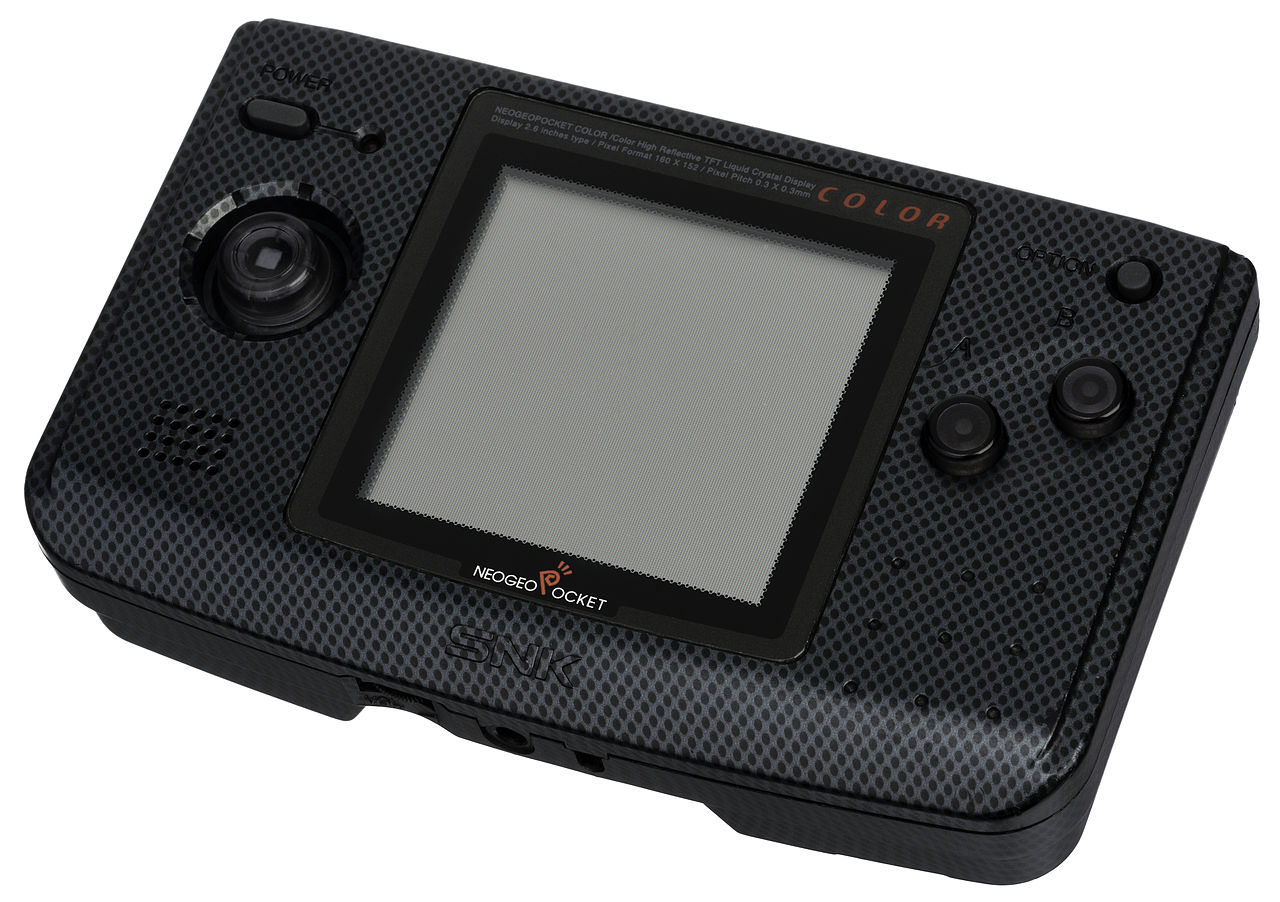
Neo Geo Pocket Color (1999)
Neo Geo Pocket Color. SNK's revival attempt and the only handheld of its era to seriously challenge the Game Boy on hardware quality. It reached Japan in March 1999 and North America on August 6 that year at $69.95, and it is a well-designed machine: a color LCD displaying 146 colors at once from a 4,096-color palette, a headphone jack, and — the feature it is still remembered for — a microswitched clicking stick that SNK's own marketing called a "revolving joystick," which is why its fighting games control better than anything else on a handheld of the period. SNK claimed nearly 40 hours of play on two AA batteries, roughly double the Game Boy Color. The link port even supported limited Dreamcast cross-platform connectivity, letting a character built in King of Fighters R-2 transfer to the Dreamcast version.
The library is small — 73 Neo Geo Pocket Color games, plus the 9 released for the 1998 monochrome Neo Geo Pocket, all of which run on a Color — but heavy on quality. Only 39 of the 73 ever appeared in English. SNK ported most of its arcade catalog to the platform (King of Fighters, Samurai Shodown, Metal Slug, Last Blade) and the Pocket Color editions are excellent, often considered the definitive portable versions until the Switch collections appeared in the 2020s. SNK vs. Capcom: Card Fighters' Clash is a cult classic specific to this platform.
The end came quickly, and abruptly. SNK withdrew from the North American market on June 13, 2000 — ten months after the US launch — having been bought into that January by Aruze, a pachinko and casino-machine maker. "This decision came as a sucker punch. No one expected this," Ben Herman, SNK Entertainment USA's vice president of sales, told Electronic Gaming Monthly; weeks earlier at E3, four or five major American third parties had reportedly been preparing Pocket Color games, and SNK had just signed a five-year lease on a new Torrance office. SNK asked retailers to return every unsold console and cartridge for full reimbursement, and told the press it would repackage the returns for Japan — the flash ROM cartridges could simply be rewritten with other games, and US console internals refitted into Japanese shells. That recall is a large part of why sealed North American stock is so thin today. SNK declared bankruptcy on October 30, 2001.
Lifetime sales are not reliably documented, and the two-million figure repeated online has no traceable source. EGM reported roughly 200,000 Pocket Colors sold in America across the system's entire US life, against a 2% share of the handheld market; the figures cited elsewhere are similarly modest (over 25,000 in Japan and more than 100,000 in Europe by the end of 1999). What followed the Aruze takeover is legible in the software itself: of the 73 Color games, eight are Aruze PachiSlot machine simulators, and every one of them is dated 2000 or 2001. SNK's six North American launch colors were Blue, Platinum Silver, Anthracite, Ocean Blue, Stone Blue and Clear; the console pictured is the Anthracite variant. Note that two bodies exist: the original, sold worldwide, and the "New Neo Geo Pocket Color" of October 21, 1999 — 13% smaller with improved sound, and released in Japan only, so any slim unit in the West is an import. Hardware quality is high — these were well-built consumer-electronics products — and the platform is one of the best-value entry points into "obscure handheld" collecting.
Next: Chapter 5 — The Three-Way Battlefield (1998–2005). Sega makes one last hardware attempt and goes out swinging. Microsoft enters the console business and commits to it for two decades. Sony cements the lead. Nintendo retreats to a smaller console with a handle.
Chapter 5 — The Three-Way Battlefield (1998–2005)
In January 2001, Sega announced it was leaving the console hardware business. The Dreamcast had been on the market for two and a half years, had received some of the most enthusiastic reviews any console had ever earned, had shipped iconic titles in nearly every genre, and was on track to lose Sega another billion dollars. The PlayStation 2 was the killing blow. By the time Sega's announcement landed, every long-term console manufacturer in Japan had decided that the next-generation business required either a Sony-scale install base or a billion-dollar war chest, and Sega had neither.
Microsoft did. The Xbox launched ten months after Sega's exit and committed Bill Gates' company to a multi-decade hardware effort that has now outlasted every original-generation Japanese rival except Sony itself. Nintendo, meanwhile, made the strategic decision that defined its next twenty years: stop competing with Sony and Microsoft on raw power, focus instead on form factor, controllers, and second-screen ideas. The DS, launched at the very end of this era, was the first concrete result of that strategy and a runaway commercial success.
By 2005 the global console market had three players, two American and one Japanese. The era of five-or-more concurrent platforms was over forever.
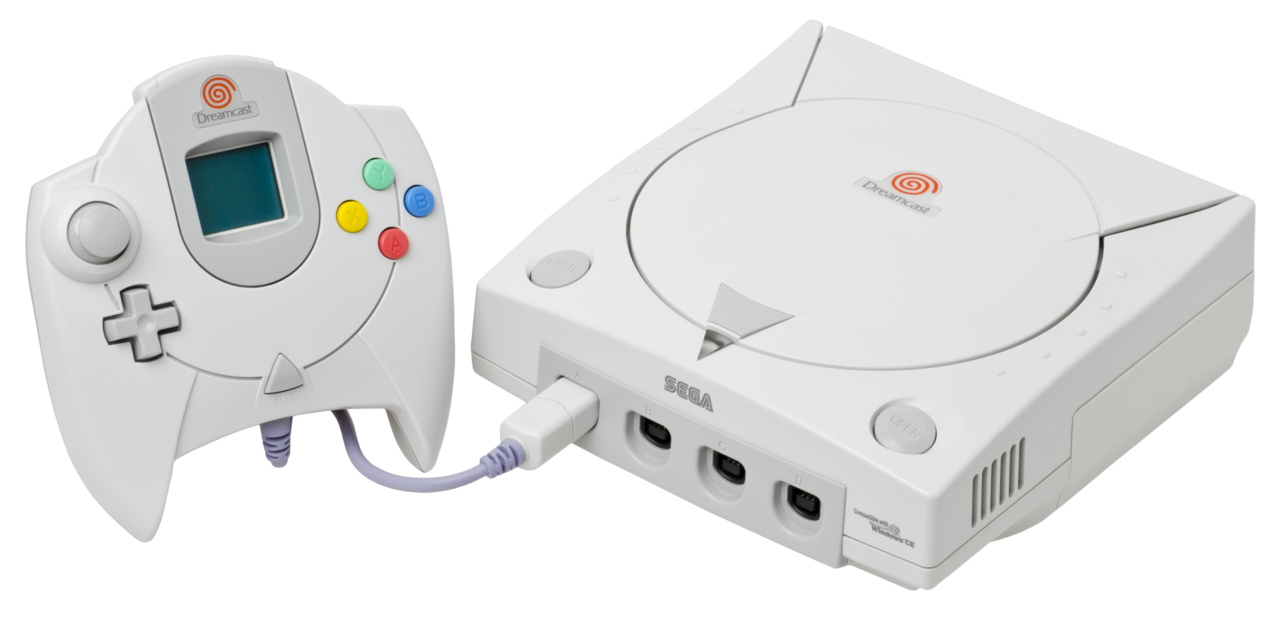
Sega Dreamcast (1999)
Sega Dreamcast. The most beloved console commercial failure in history. Released in Japan in November 1998 and in North America on 9/9/99 (a date the marketing team beat into the ground), the Dreamcast launched with hardware that outpaced everything competing with it: a Hitachi SH-4 CPU, a PowerVR-derived GPU capable of true hardware transparency, a built-in 56k modem for online play, and a Visual Memory Unit that doubled as a tiny standalone handheld. The launch lineup (Sonic Adventure, Soul Calibur, Power Stone, NFL 2K) was the strongest any console had ever shipped with.
The platform died in twenty-six months. The PlayStation 2's hype machine, which Sony pre-announced in spring 1999, six months before the Dreamcast's North American launch, convinced consumers to wait for the more powerful sequel to a platform they already trusted. Sega's catastrophic Saturn-era debt meant the company couldn't sustain a multi-year price war. By January 2001 Sega had announced it was exiting hardware entirely; the last Dreamcast shipped in 2002.
Lifetime sales reached approximately 9.13 million units. The library settled at 620 commercially released games globally. Today the Dreamcast is collector heaven: the install base was small enough to make the platform special but large enough that complete-in-box copies of major games are still affordable. Hardware reliability is solid; the GD-ROM drive's gear belt fails predictably and is a standard $5 replacement. Shenmue II, Project Justice, and Rez are the most-collected titles.
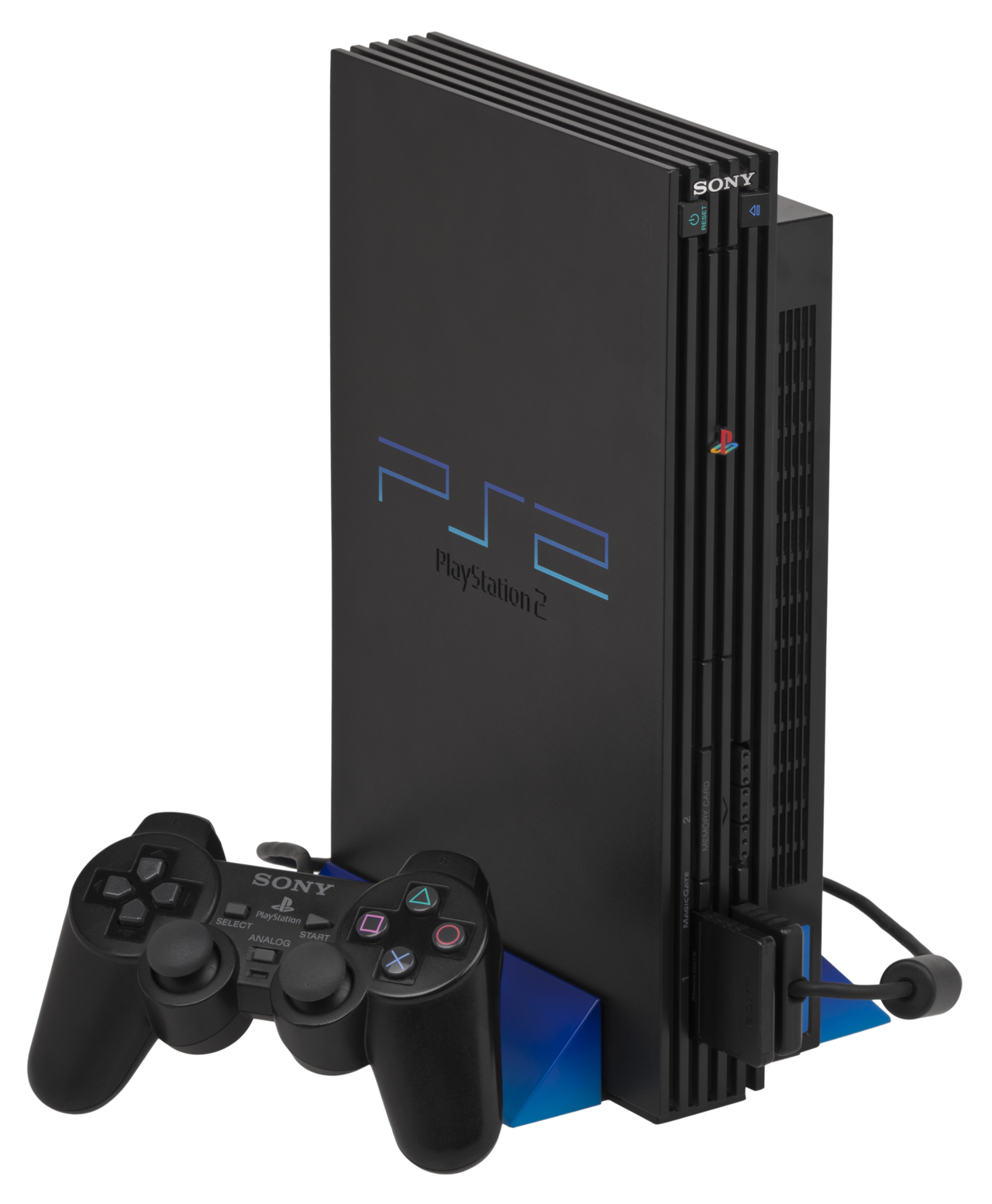
PlayStation 2 (2000)
PlayStation 2. The most successful console ever produced, by a margin that may never be broken. The PS2 launched in March 2000 in Japan and October 2000 in North America. The hardware was good, not transformatively so (the Dreamcast had matched or exceeded most of its specs), but Sony shipped two killer features. First: full backwards compatibility with the original PlayStation, instantly giving the PS2 the largest day-one library of any console launch in history. Second: a built-in DVD player, in 2000, when standalone DVD players still cost more than the PS2's $299 launch price.
Lifetime sales reached approximately 155 million units by the time Sony finally ended production in 2013. That's a twelve-year manufacturing run, one of the longest of any home console. The library shipped over 4,400 commercial titles. The PS2 was the platform on which DVD became a mass-market home format, on which Grand Theft Auto became a cultural inflection point, on which Japanese RPGs reached their peak audience, and on which the modern open-world game (Shadow of the Colossus, Metal Gear Solid 3) was perfected.
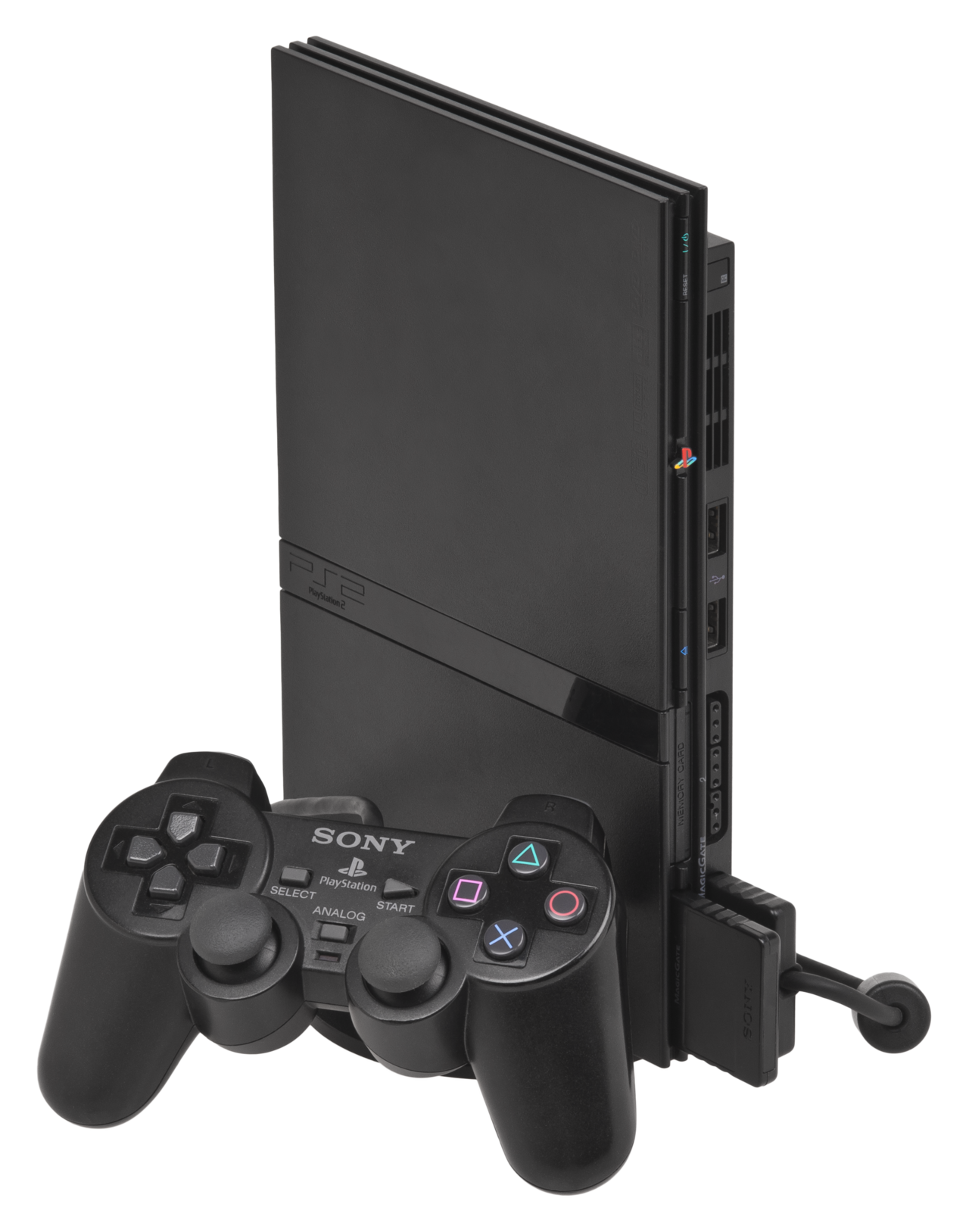
The console pictured is the original SCPH-30001 launch unit ("fat PS2"), the model most North American collectors mean. The original chassis is reliable but the laser assembly is the predictable failure mode after about 5–7 years of use; replacement lasers are widely available for $20–$30. Sealed launch-window games are the most-collected category, with first-print Final Fantasy X and Metal Gear Solid 2 at the top.
PlayStation 2 Slim (2004)
PlayStation 2 Slim. The redesign that turned the PS2 into a basically permanent fixture in retail electronics. Sony released the SCPH-70000 ("Slim PS2") in November 2004 with a chassis roughly a quarter the size of the original, a built-in Ethernet port (the original required a $40 add-on), and a network-adapter-free hard-drive expansion that worked with most modded units. The cost reduction enabled Sony to drop the platform's retail price to $129 by 2006, a price point at which the PS2 became an impulse purchase even after the PS3 had launched.
The Slim shipped without a power brick (the AC adapter was internalized) and without the original's expansion bay (the network adapter and hard-drive support that worked on the fat unit was no longer possible). For most users this was an upgrade: fewer cables, fewer parts, smaller shelf footprint. For the modding community the Slim was a regression. The missing expansion bay meant homebrew users either kept their fat PS2s for hard-drive setups or developed USB-based workarounds.
Lifetime production of the Slim was roughly half of total PS2 sales by unit, meaning Sony shipped approximately 75 million Slim units alone. The Slim is the most common PS2 form factor in thrift stores and used-game retailers today; loose units in working condition typically sell for $30–$60. The hardware has the same laser-degradation issue as the fat PS2, but the simplified chassis makes laser replacement easier.
Xbox (2001)
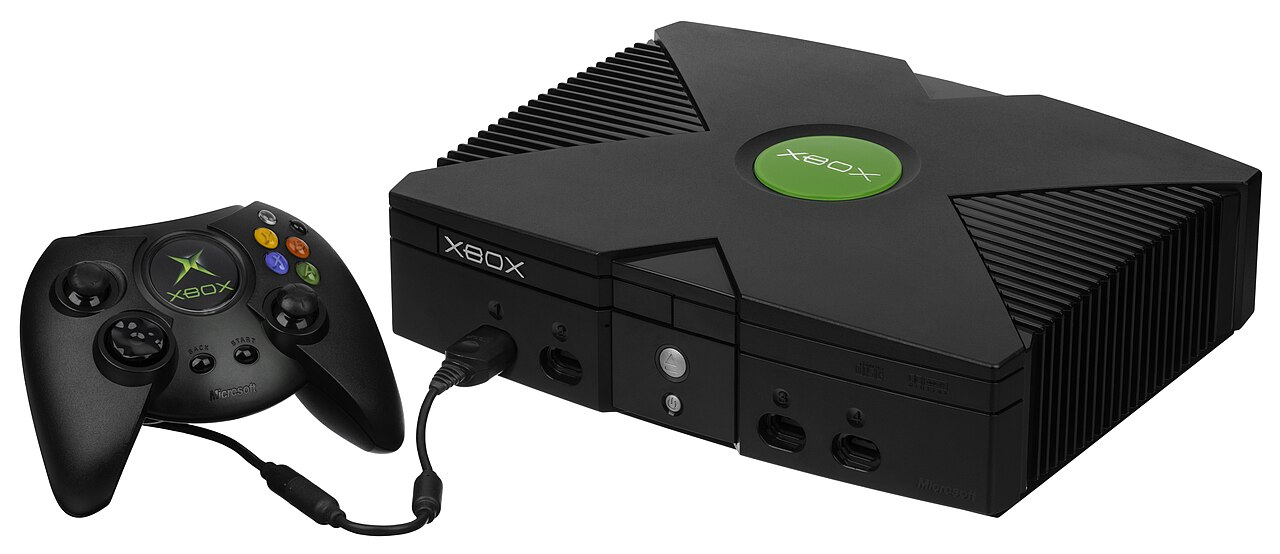
Xbox. The moment Microsoft committed to the console business. Released in November 2001 at $299, the original Xbox shipped with hardware specifications that read more like a gaming PC than a console: a 733 MHz Intel Pentium III, an Nvidia-derived GPU, 64 MB of RAM, a built-in hard drive (a console first), and an Ethernet port. Microsoft's pitch wasn't "we have the best games" (they didn't, at launch, in most genres). It was "we have the best technology, and we'll prove it."
The proof was Halo: Combat Evolved. A mediocre-to-decent multiplayer FPS engine in development for the Mac became, after Microsoft's 2000 acquisition of Bungie, the killer launch title that made the Xbox brand. Halo didn't just sell the console; it established Microsoft's position in console gaming as primarily about online multiplayer in shooter genres, a positioning that has held through three subsequent generations and Xbox Live. By the platform's end of life in 2008, Halo 2 had sold 8 million copies.
Lifetime sales reached approximately 24 million units against the PS2's 155 million, a third-place finish by traditional measures. Microsoft considered this a success. They had established a permanent presence in the market, built developer relationships, and laid the foundation for the Xbox 360 which would actually outsell its Sony equivalent for the first half of the next generation. The console pictured is the standard 2001 launch unit; the Halo Special Edition (semi-translucent green) and the Crystal Edition are the most collected variants.
Nintendo GameCube (2001)
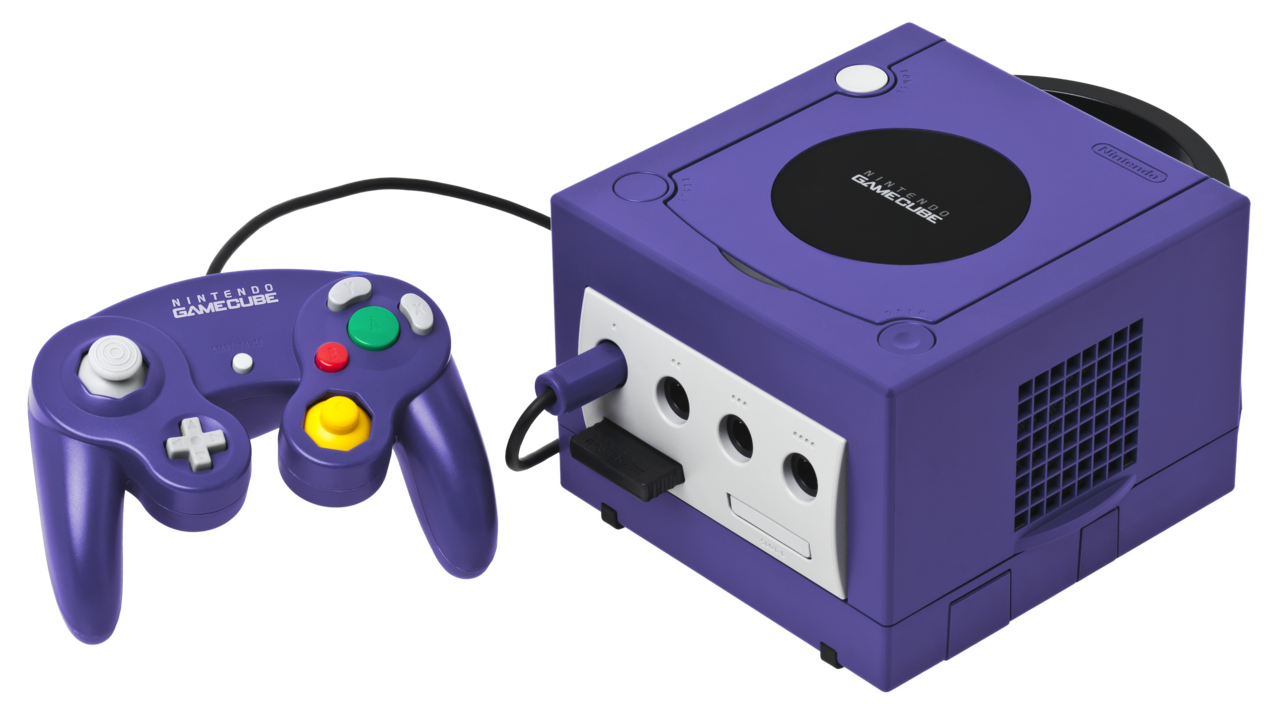
Nintendo GameCube. Nintendo's smallest and most awkward home console of the modern era. Released in November 2001 at $199 ($100 below the PS2's price), the GameCube shipped with proprietary 8 cm mini-DVDs that held 1.5 GB each, a controller designed almost specifically for Super Smash Bros. Melee (asymmetric face buttons, dual analog sticks of unequal size), and a marketing campaign that emphasized the console's compact size and built-in handle. Nintendo positioned the GameCube as a kid-friendly alternative to the PS2 and Xbox; the strategy alienated the older audience Nintendo had courted on the SNES and N64.
The library is outstanding. Super Smash Bros. Melee, Resident Evil 4 (a console-defining exclusive at launch), Metroid Prime, The Legend of Zelda: The Wind Waker, Pikmin, and Animal Crossing are among the era's best games on any platform. But the marketing miscalculation cost Nintendo developer relationships. Many third parties saw the GameCube's smaller install base and aggressively kid-focused branding and prioritized PS2/Xbox releases. Lifetime sales settled at approximately 21.7 million units, slightly behind the Xbox.
The GameCube pictured is the standard launch indigo (the model most collectors mean); Nintendo also shipped jet black, platinum, spice orange, and the highly collectible Symphonic Green and Resident Evil 4 limited editions. The handle and mini-DVD format make complete-in-box collections chunky to store. Hardware reliability is excellent; the only common failure is the disc drive's lens degrading after extended use.
Game Boy Advance (2001)
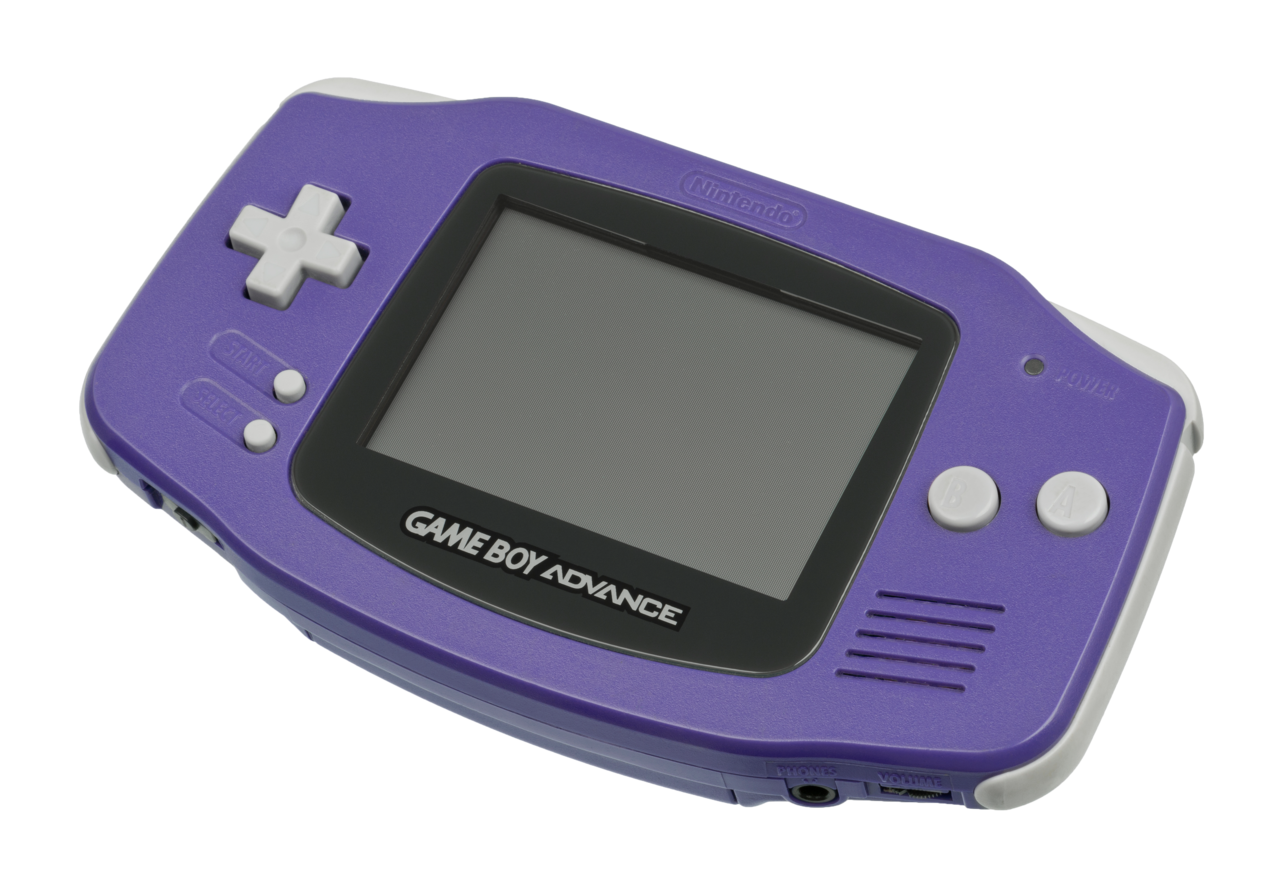
Game Boy Advance. Nintendo's transition from monochrome handheld to true 32-bit portable gaming. Released in March 2001 in Japan and June 2001 in North America, the GBA shipped with an ARM7 CPU, a wide horizontal screen with a non-backlit color LCD, full backwards compatibility with both Game Boy and Game Boy Color cartridges (via the same slot), and battery life around 15 hours on two AAs. The launch lineup included Castlevania: Circle of the Moon and Super Mario Advance, and the platform quickly became the standard portable for the Pokémon generation.
The original "brick" GBA's screen was the platform's predictable weak point. Nintendo had stripped the backlight to keep battery life and price down, and the original LCD is difficult to use in low light without an aftermarket clip-on light. Nintendo addressed this with the SP, which we cover below.
Lifetime sales for the entire GBA family (original + SP + Micro) exceeded 81 million units. The library includes some of the strongest 2D games of any era: Metroid Fusion, Metroid: Zero Mission, Mario & Luigi: Superstar Saga, the Castlevania trilogy (Aria, Harmony, Circle), Final Fantasy Tactics Advance, Golden Sun. Today the original brick GBA sells for $30–$80 in working condition; aftermarket IPS backlight retrofits are widely available and dramatically improve the platform's playability. The Indigo color pictured is the original launch unit.
Game Boy Advance SP (2003)
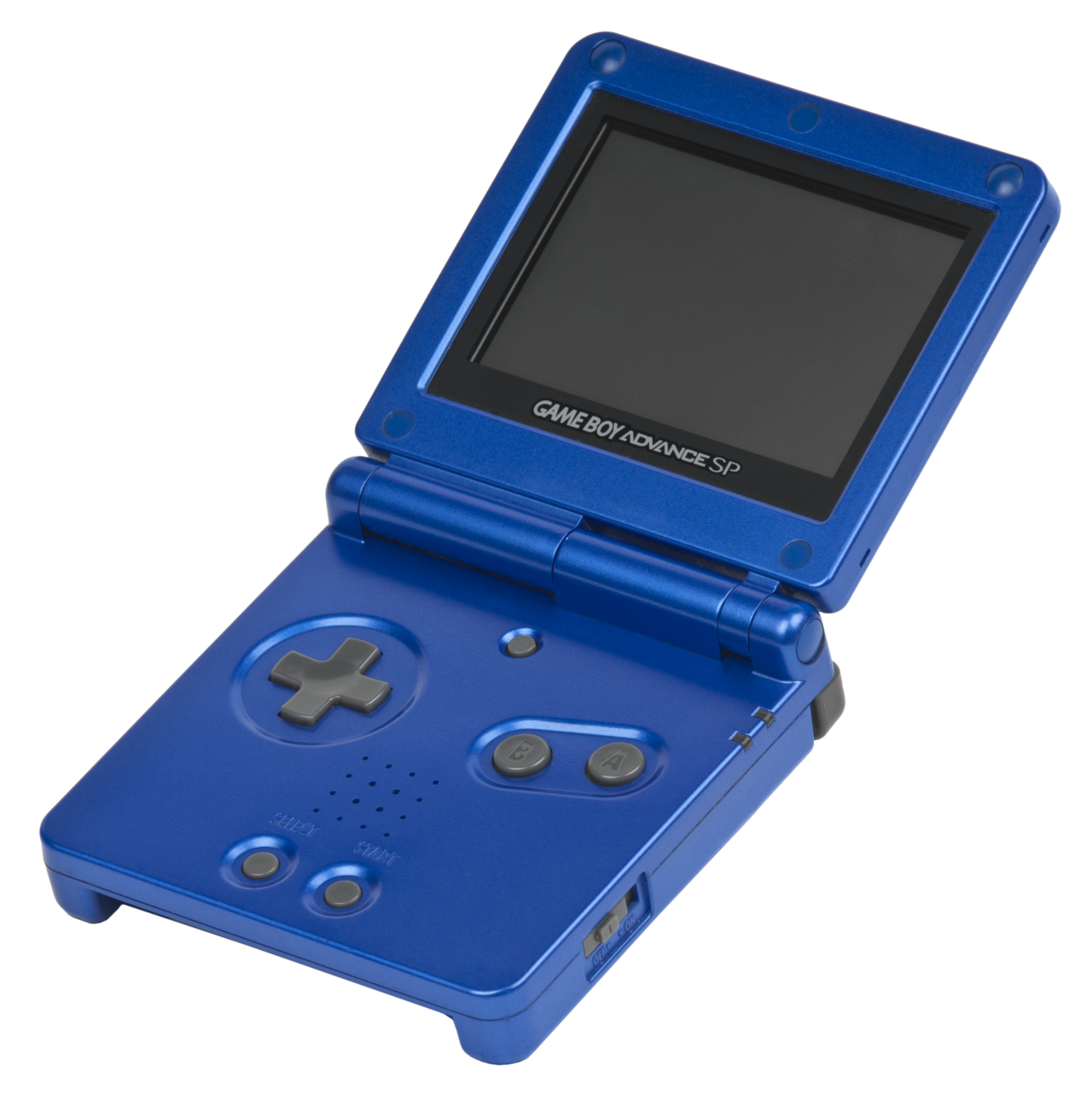
Game Boy Advance SP. The redesign that fixed every complaint about the original GBA. Released in February 2003 in Japan and March 2003 in North America at $99, the SP folded the screen and controls into a clamshell about the size of a credit card, added a frontlit LCD (later AGS-101 revisions added a true backlight), replaced the AA batteries with a built-in rechargeable lithium-ion, and shipped a USB charging cable in the box. The form factor was an order of magnitude more attractive than the original brick.
The two SP revisions matter to collectors. The Mk1 (AGS-001, frontlit) is the original 2003 launch model, pictured here in classic blue. The Mk2 (AGS-101, backlit) shipped in late 2005 with a true backlit screen that produced significantly better contrast and color in low light. The AGS-101 is identifiable by its model number on the back label and is worth roughly twice the AGS-001 in working condition. (For what it's worth, the AGS-101 is the only GBA worth buying for actual play; everything else needs an aftermarket IPS swap to compete with it.)
The SP became Nintendo's best-selling Game Boy variant by a wide margin. The clamshell design protected the screen from scratching; the rechargeable battery eliminated AA-cell hassle; the small footprint fit a pocket far better than the original. Hardware reliability is excellent across both revisions; the most common failure is the hinge wearing out after prolonged use, which is a moderately involved repair but well-documented in the community.
Game Boy Micro (2005)
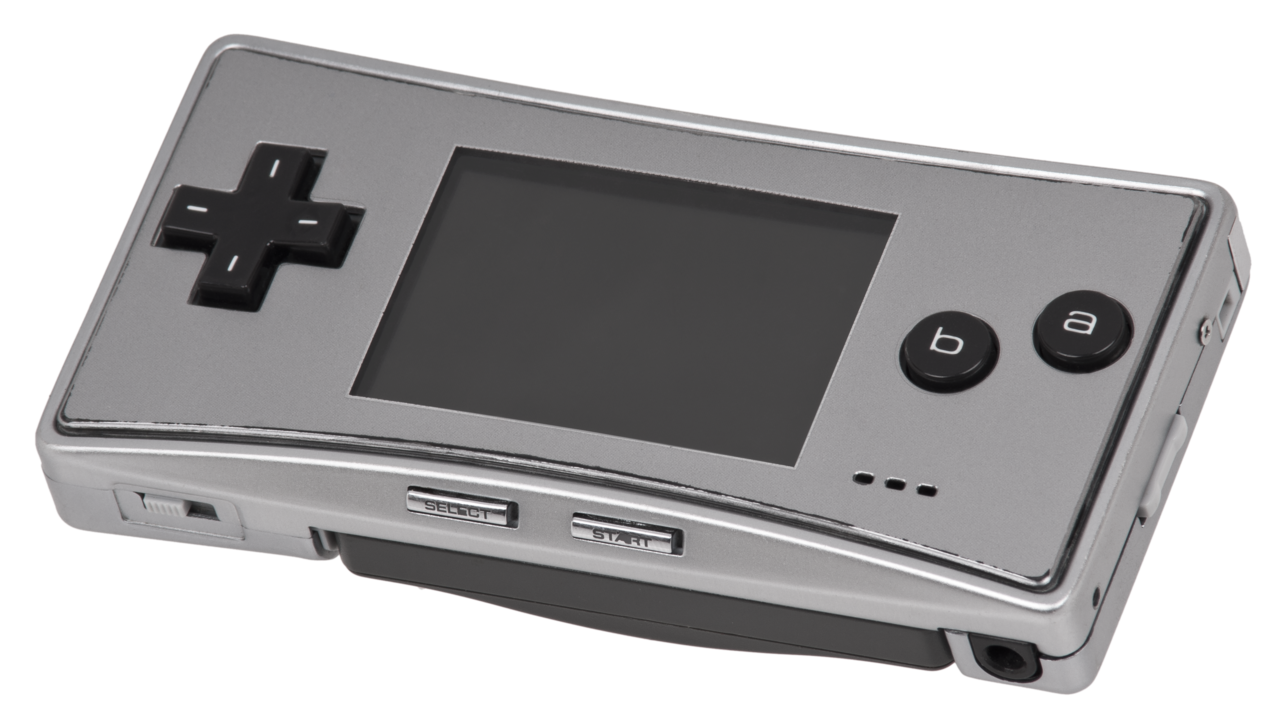
Game Boy Micro. Nintendo's experiment in making the Game Boy Advance even smaller. Released in September 2005 at $99, the Micro is approximately the size of a deck of cards: 2 inches by 4 inches, weighing under 3 ounces, with interchangeable face plates that let users customize the appearance. The screen is brilliant, a true backlit LCD smaller than the SP's but with comparable image quality, and the build feels like Apple-level industrial design.
The platform launched at the worst possible moment. The Nintendo DS had shipped nine months earlier and the GBA was already considered legacy hardware. The Micro had no backwards compatibility with original Game Boy or Game Boy Color cartridges (a regression from every prior GBA model), came with no built-in screen protection (the screen is exposed when the unit is in a pocket), and required AC charging that didn't work with the SP's standard cable. Sales were small. Nintendo never published exact numbers but the Micro is generally estimated under 2.5 million units.
Today the Game Boy Micro is one of the most collected Nintendo handhelds despite (or because of) its commercial failure. The face plate system means complete collections involve dozens of variants: Famicom-themed, NES-themed, Mother 3 specials, Final Fantasy IV themes, plus all the standard color options. Working Micros sell for $200–$400 in good condition, with rare face plates pushing total set value into four figures.
Nintendo DS (2004)
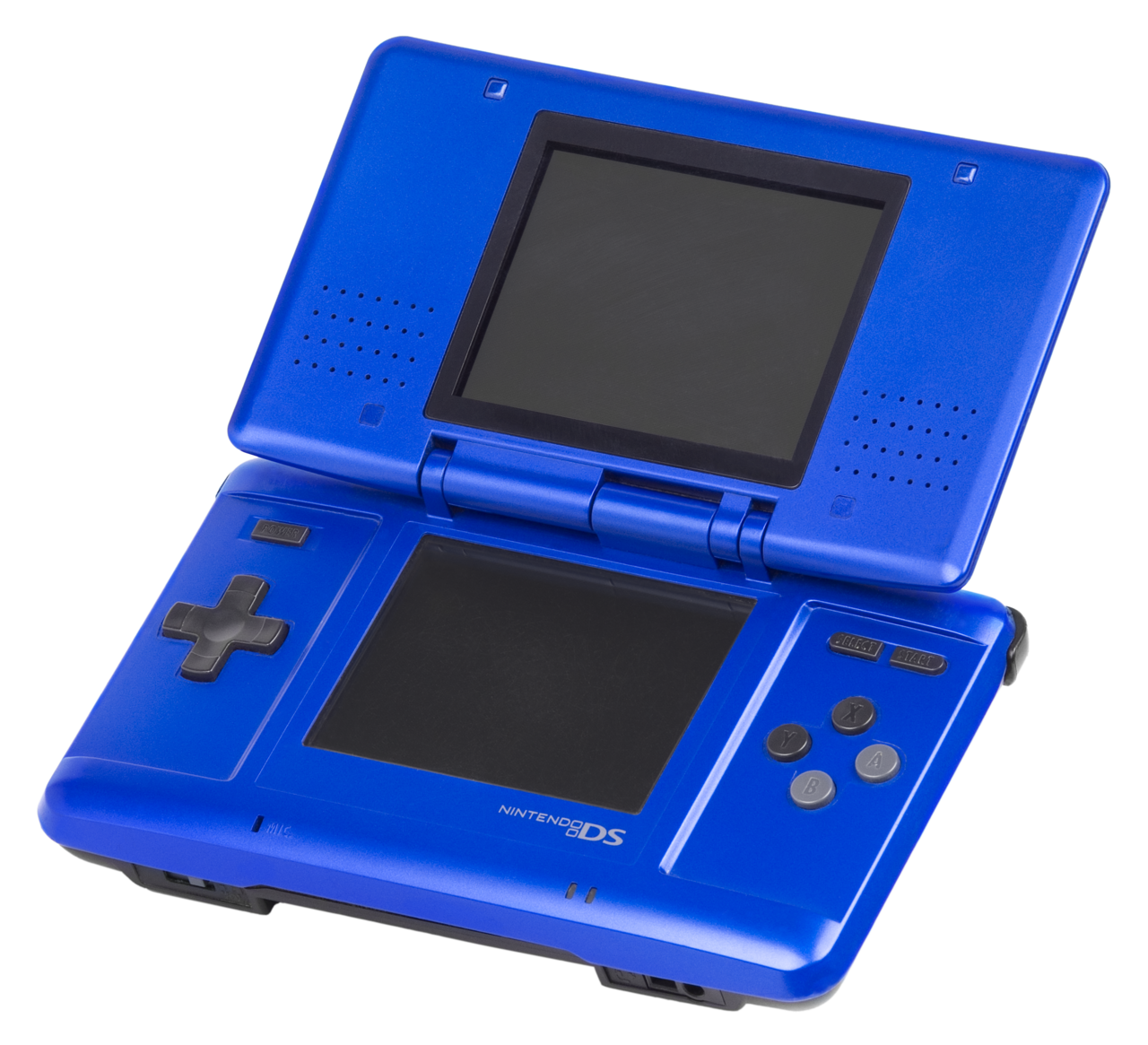
Nintendo DS. The handheld that ended the Game Boy line and built Nintendo's modern strategy. Released in November 2004 in North America at $149, the original DS ("Dual Screen") shipped with two LCD screens (one with a resistive touchscreen), a microphone, and built-in WiFi for online multiplayer. The hardware was a deliberate gamble away from raw power competition (the PSP launched five months later with significantly more horsepower) toward novel input methods that would define new game categories.
The strategy worked. Brain Age, Nintendogs, Big Brain Academy, and the touchscreen-driven Trauma Center established the DS in demographics that hadn't bought a portable game system in twenty years (or ever). Pokémon Diamond/Pearl and Pokémon Black/White moved the franchise to a level it has never since matched. The World Ends With You, Phoenix Wright, and the Professor Layton series produced cult classics that defined the platform.
Lifetime DS family sales (original + Lite + DSi) exceeded 154 million units, making the DS the second-best-selling games platform in history at the time, behind only the PS2. The original "Fat" DS pictured here was discontinued by 2006 and is the rarest DS form factor today; collectors prefer it for its larger overall size and the original silver/blue colorway. Hinge failure is the predictable issue with all original-DS units. The Lite and DSi revisions, covered in the next chapter, address most of the original's industrial-design complaints.
Next: Chapter 6 — HD and Motion (2005–2011). The seventh generation arrives with high definition and broken consoles. Sony stumbles. Microsoft wins the early lead. Nintendo upends the entire industry by selling a console nobody thought a console buyer wanted.
Chapter 6 — HD and Motion (2005–2011)
The seventh console generation began in November 2005 with the Xbox 360 and ended depending on how you count it. When the Wii U flopped in 2012, when the PS4 launched in 2013, when Microsoft finally retired the 360 line in 2016. It was the longest, messiest, most consequential console generation since the NES era, and it produced two industry-changing products: the Wii, which pulled tens of millions of non-traditional buyers into gaming, and Xbox Live, which made online multiplayer the default experience rather than a feature.
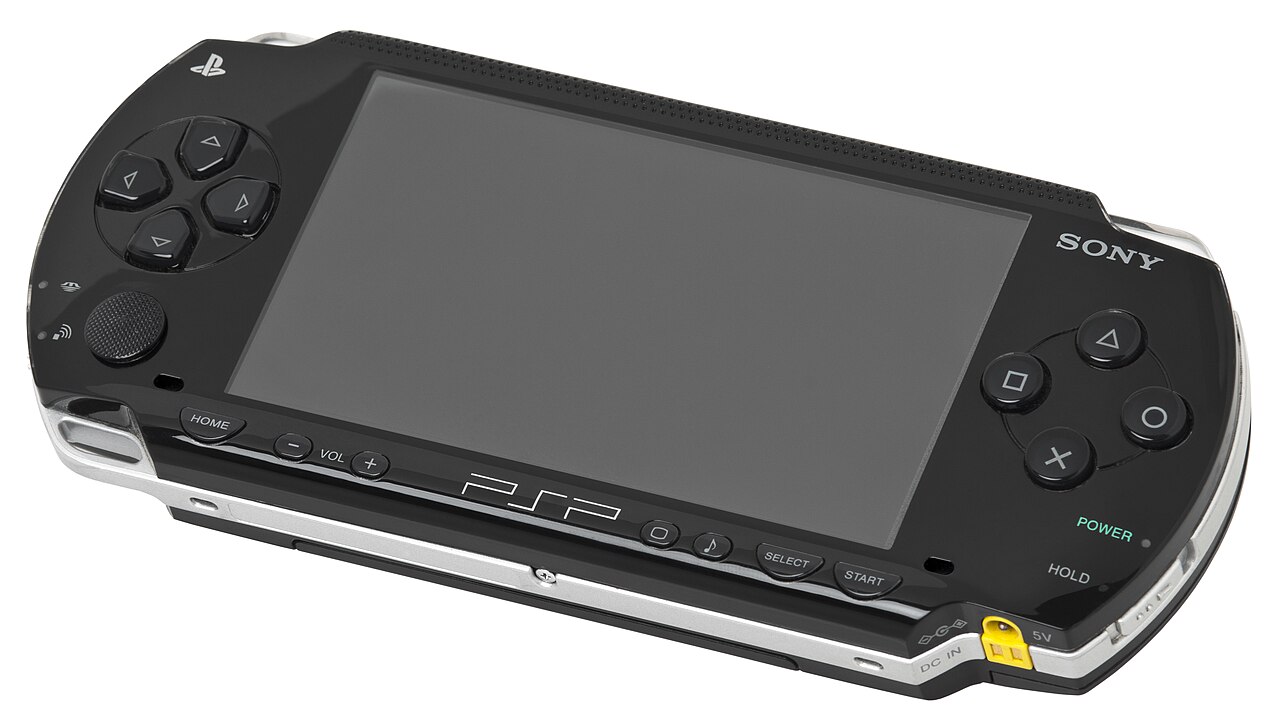
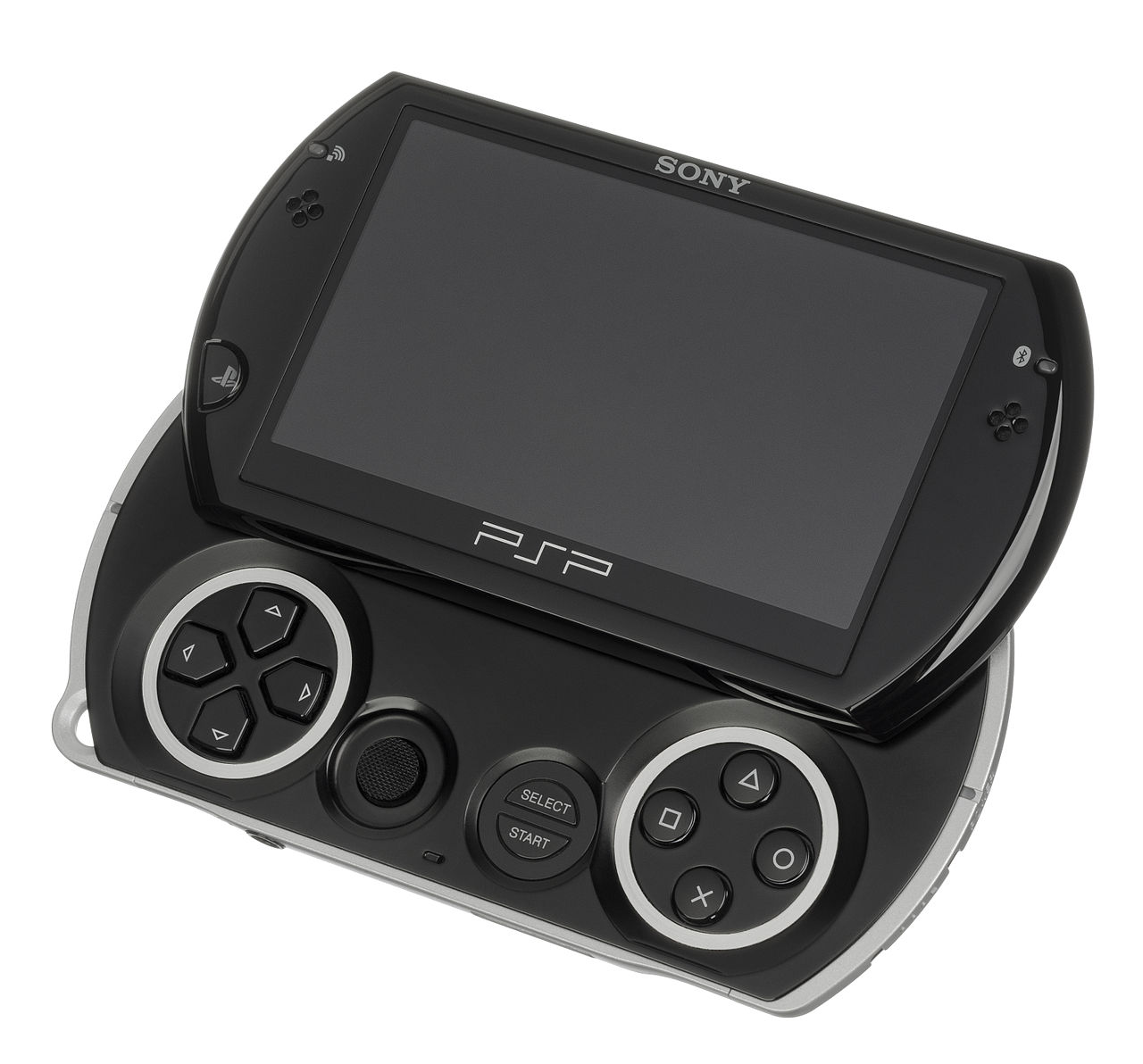
It was also the first generation where consoles seriously broke at scale. The Xbox 360's "Red Ring of Death" cost Microsoft a $1.15 billion warranty extension. The PlayStation 3's "Yellow Light of Death" hit somewhere between 5% and 15% of fat-model units. The Wii's hard drive failures, the DSi's hinge cracks, and the PSP's stuck-pixel epidemics all contributed to a generation where "what does the warranty cover?" became a real consumer question.
By the time the seventh generation wound down, the three-way home console market that began with the original Xbox had cemented into permanence. Sega never returned to hardware. Atari never returned to hardware. The handheld market split in two: Nintendo at the mass-market end with the DS family, Sony at the higher-spec end with the PSP. That split would persist until Sony exited handhelds in 2017.
Xbox 360 (2005)
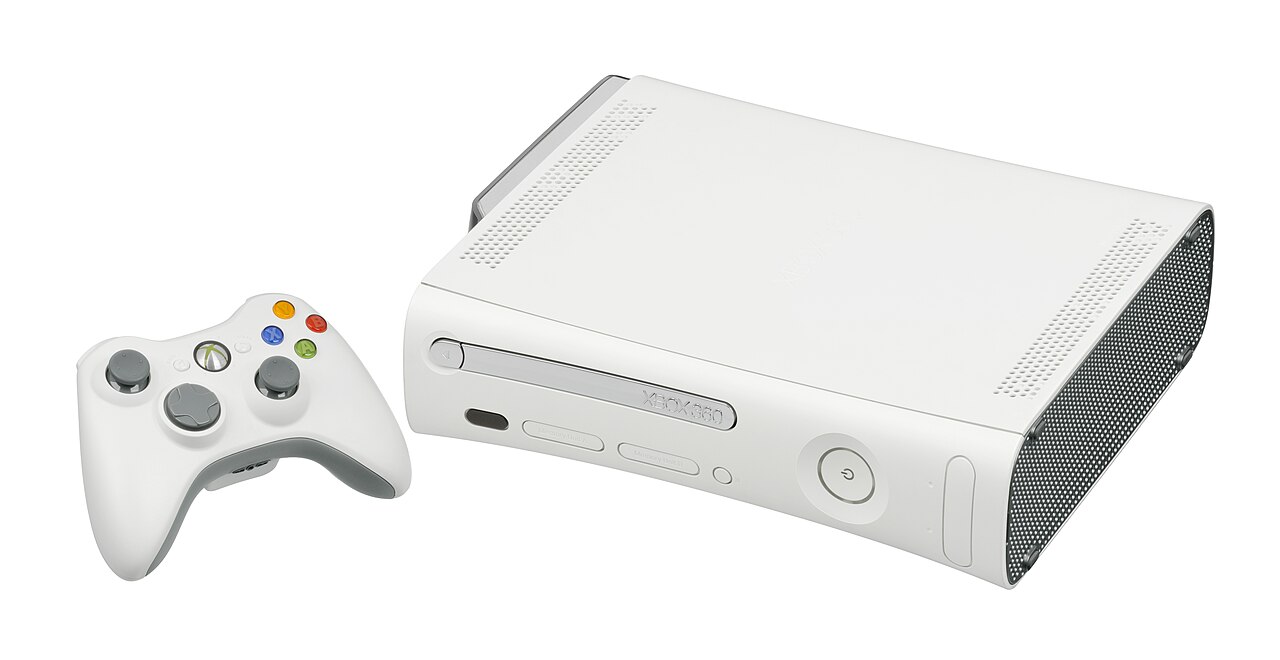
Xbox 360. The console that almost destroyed Microsoft's gaming division and ultimately defined it. Released in November 2005, a full year before the PS3, the 360 shipped with a tri-core IBM PowerPC CPU, an ATI-derived GPU, and the strongest first-year online ecosystem any console had ever launched with. Xbox Live's chat, friends, achievements, and digital storefront were all infrastructure that competitors took years to match. Halo 3, Gears of War, Mass Effect, and Call of Duty 4: Modern Warfare defined the platform in its first three years.
The Red Ring of Death nearly buried it. By 2007 internal Microsoft estimates put the launch-window failure rate at over 30%; the company eventually committed $1.15 billion to a three-year extended warranty program covering every original 360 unit. The cause was a combination of inadequate cooling, lead-free solder embrittlement, and a GPU package that flexed under thermal stress until traces cracked. Microsoft fixed the issue in the Falcon (2007) and Jasper (2008) motherboard revisions, but the warranty exposure dominated quarterly earnings reports for years.
Total Xbox 360 family lifetime sales reached approximately 84 million units worldwide, a near-tie with the PS3 (87 million) and a clear win in North America specifically. The console pictured is the original 2005 launch unit (the "Premium" with hard drive); pre-Falcon launch units are the most failure-prone and the cheapest on the used market because most buyers don't trust them. Working post-2007 Jasper-revision units in good cosmetic condition are the safer collector buy.
Xbox 360 Slim (2010)
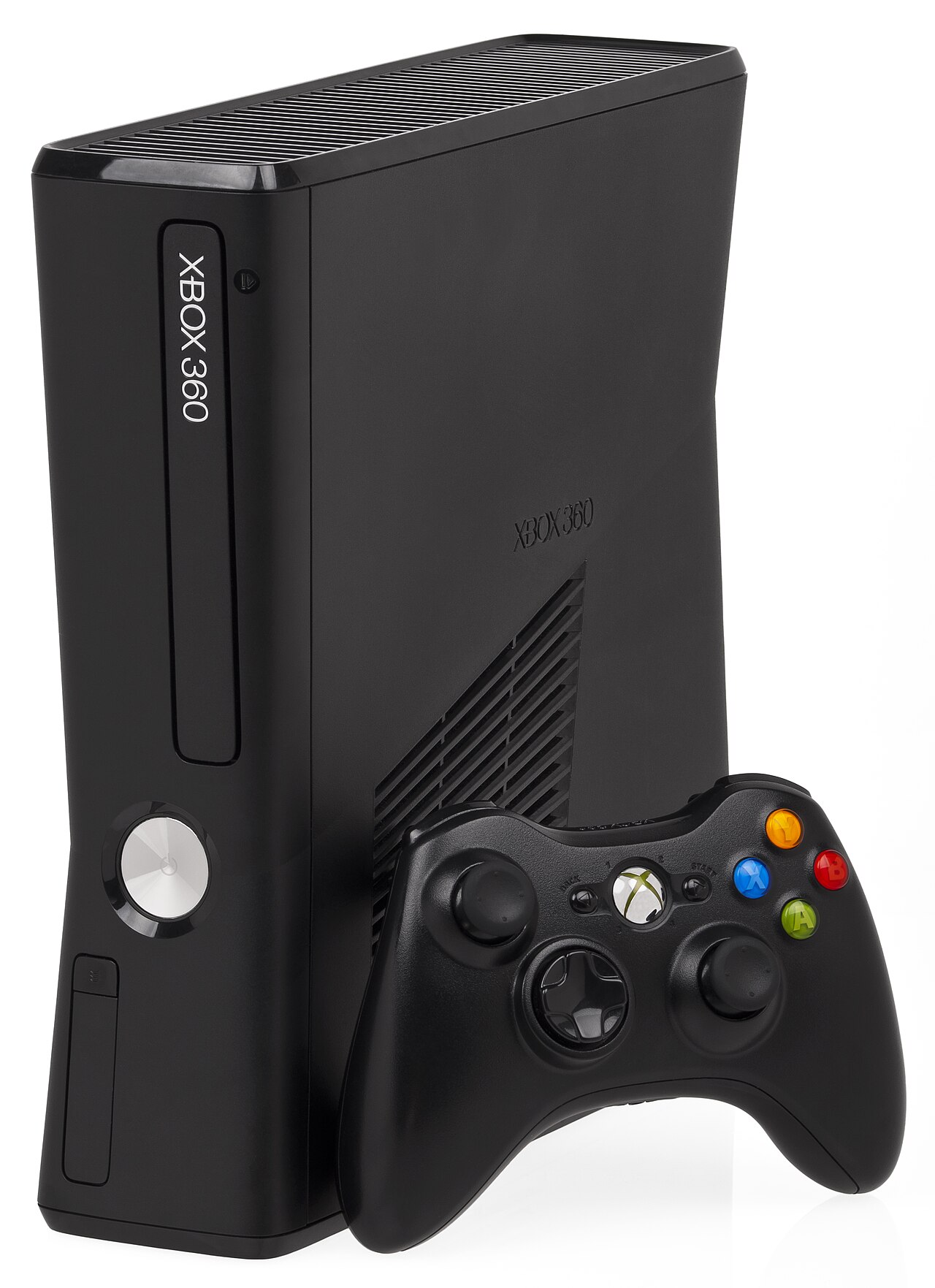
Xbox 360 Slim. Microsoft's full redesign and the unit on which the 360 actually became reliable. Released in June 2010 (designated "Xbox 360 S" by Microsoft), the Slim moved to a 45 nm CPU/GPU package, redesigned the cooling system entirely, dropped the external power-brick to a smaller form factor, and fixed every major thermal failure mode that had plagued the original. The Slim pictured here became the standard 360 form factor for the second half of the platform's life.
The Slim's other major change: integrated 802.11n WiFi (the original required a $99 USB adapter), built-in Kinect support without a power-brick workaround, and a touch-sensitive power button that replaced the original's mechanical switch. The internal hard drive bay was redesigned for easier swaps. None of these changes were transformative individually, but together they made the Slim the version Microsoft should have shipped in 2005.
Reliability data from the post-2010 era shows the Slim's failure rate at roughly 4–6%, in line with industry norms. The Slim is the recommended buy for anyone collecting Xbox 360 today: cheaper than the original (because supply is large), more reliable, and the firmware revisions made dashboard updates seamless. The 4 GB and 250 GB Slim variants both work identically; sealed Halo Reach Edition Slims are the most-collected version.
Xbox 360 E (2013)
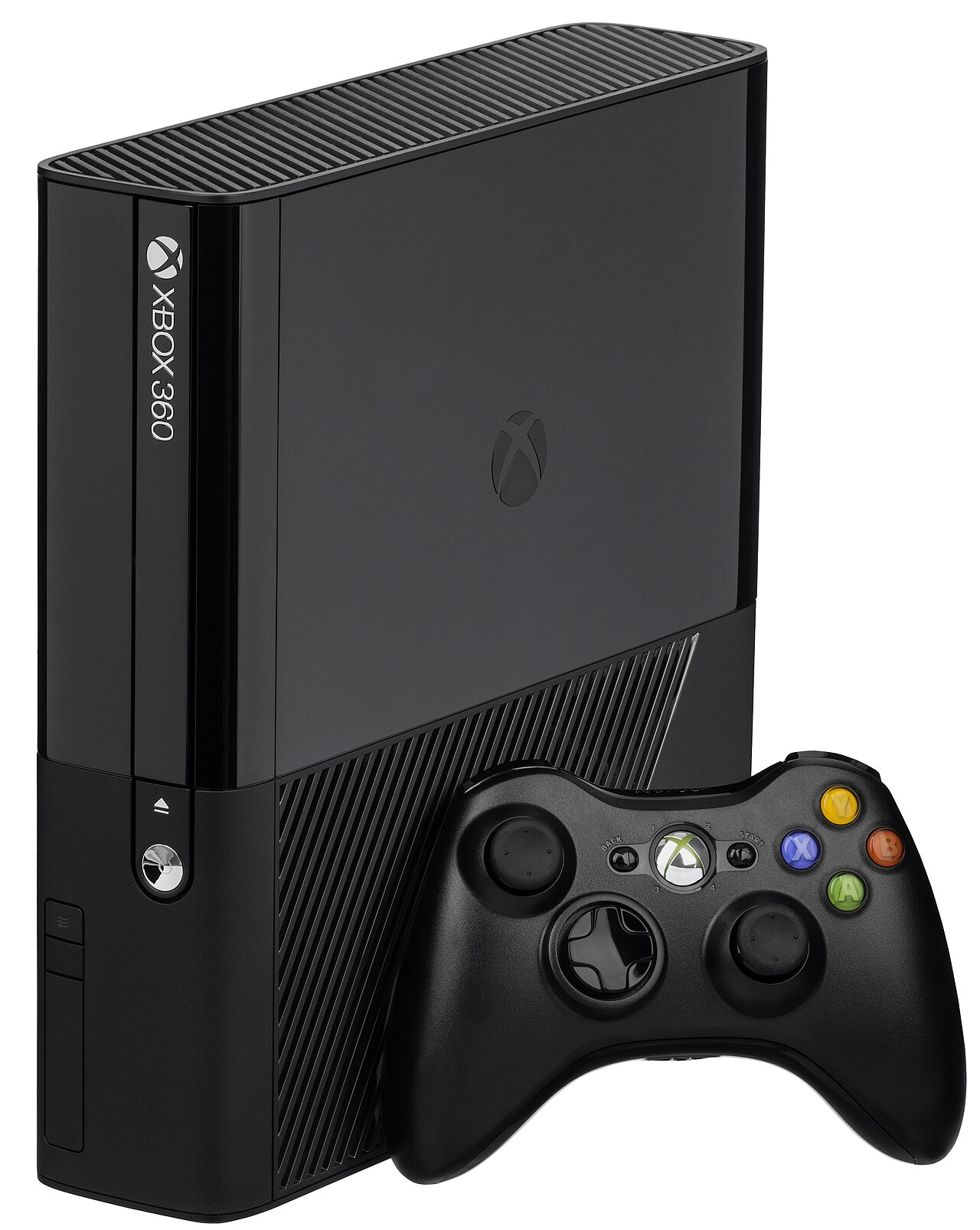
Xbox 360 E. The final 360 redesign, launched the same week as the Xbox One. Microsoft released the Xbox 360 E in June 2013 alongside the One announcement. The E adopted the design language Microsoft was about to launch: a flatter, more rectangular black case clearly meant to harmonize with the Xbox One on retail shelves. Internally it was the same 45 nm motherboard as the Slim with minor cooling tweaks and a slightly cheaper BOM.
The E's purpose was specifically retail. Microsoft expected the Xbox One to be expensive at launch ($499) and wanted a budget-friendly older-gen option that didn't look out of place on the same store shelf. The pricing held: the 360 E shipped at $199 (4 GB) or $299 (250 GB) and stayed in production until 2016, three years after the Xbox One launched.
Lifetime production of the 360 E was small relative to the Slim. Microsoft never published exact numbers but the E is generally estimated at under 5 million units. Today it's the cheapest version of the 360 to buy used (often $30–$60 in working condition) and one of the rarer original-packaging variants because the Halo Reach and Call of Duty special editions never extended to the E redesign.
PlayStation 3 (2006)
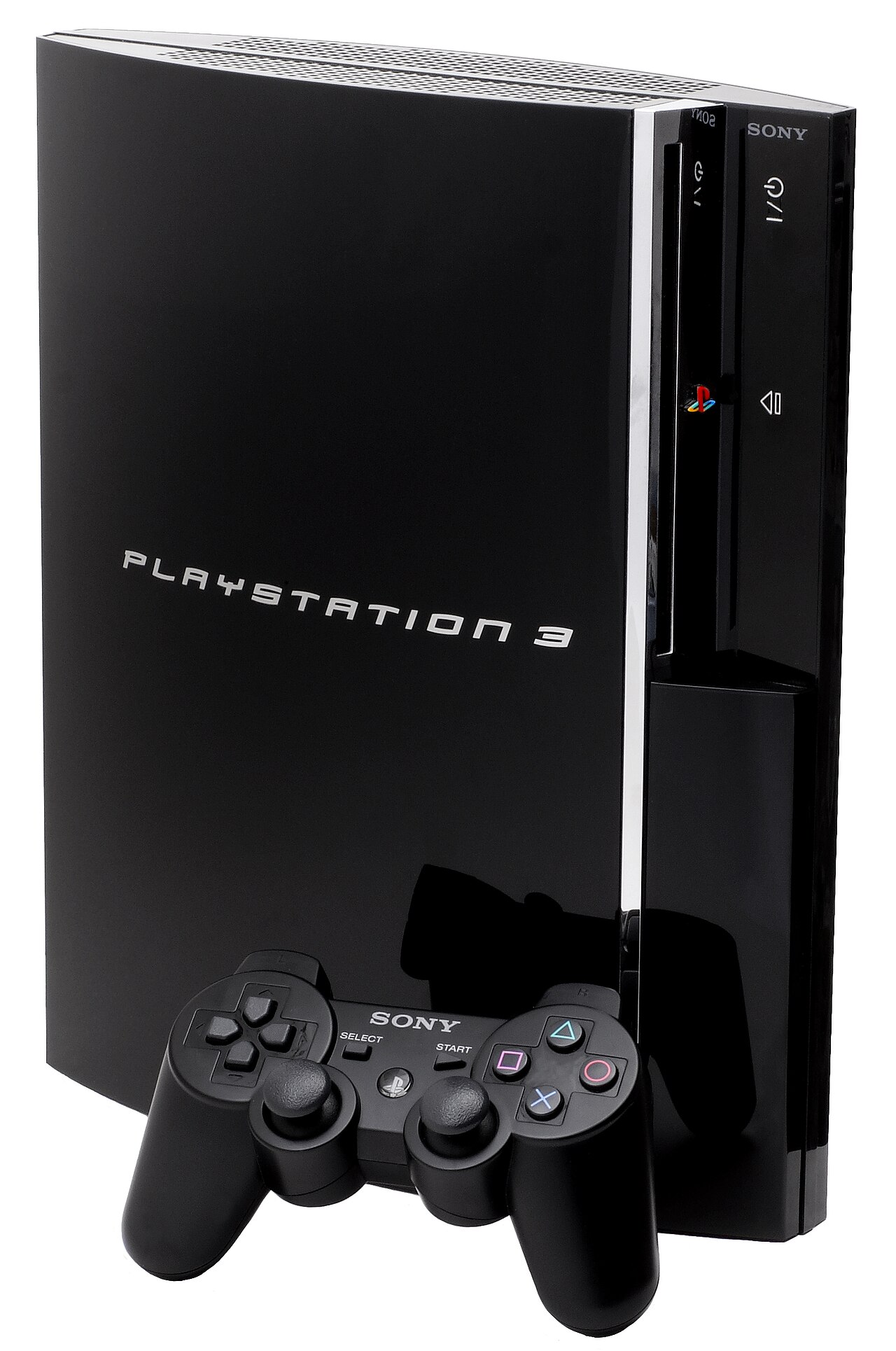
PlayStation 3. The most expensive, most ambitious, most punished console launch of the generation. Released in November 2006 in North America at $599 (the 60 GB model) and $499 (the 20 GB model), the PS3 shipped with hardware that outpaced the Xbox 360 on every axis: the Cell Broadband Engine CPU, an Nvidia RSX GPU, 256 MB of XDR RAM, and a Blu-ray drive at a moment when standalone Blu-ray players cost over $1,000. It was the most powerful consumer-electronics product Sony had ever shipped.
The price killed the launch. The PlayStation 2 had launched at $299, six years earlier. The PS3 launched at twice that, against an Xbox 360 that had been on the market for a year and was selling for $399. Sony's reasoning was that the Blu-ray drive justified the cost, and historically that turned out to be right (Blu-ray won the format war specifically because the PS3 put 80 million units in homes), but in 2006 it meant the PS3 lost the early generation to Microsoft.
The fat PS3 (pictured) is the original 2006 launch hardware. The Cell processor's manufacturing process was so demanding that Sony lost an estimated $300 per console at launch, meaning they paid Sony Computer Entertainment of America to take inventory off Sony's hands. The "Yellow Light of Death" thermal failure hit the launch units at an estimated 10% rate; replacement is a moderately involved reflow operation but well-documented in repair communities. Working CECHA01 (60 GB) units with the original PS2 hardware backwards-compatibility chip are the most-collected: a single-generation-only feature Sony removed from later revisions to cut costs.
PlayStation 3 Slim (2009)
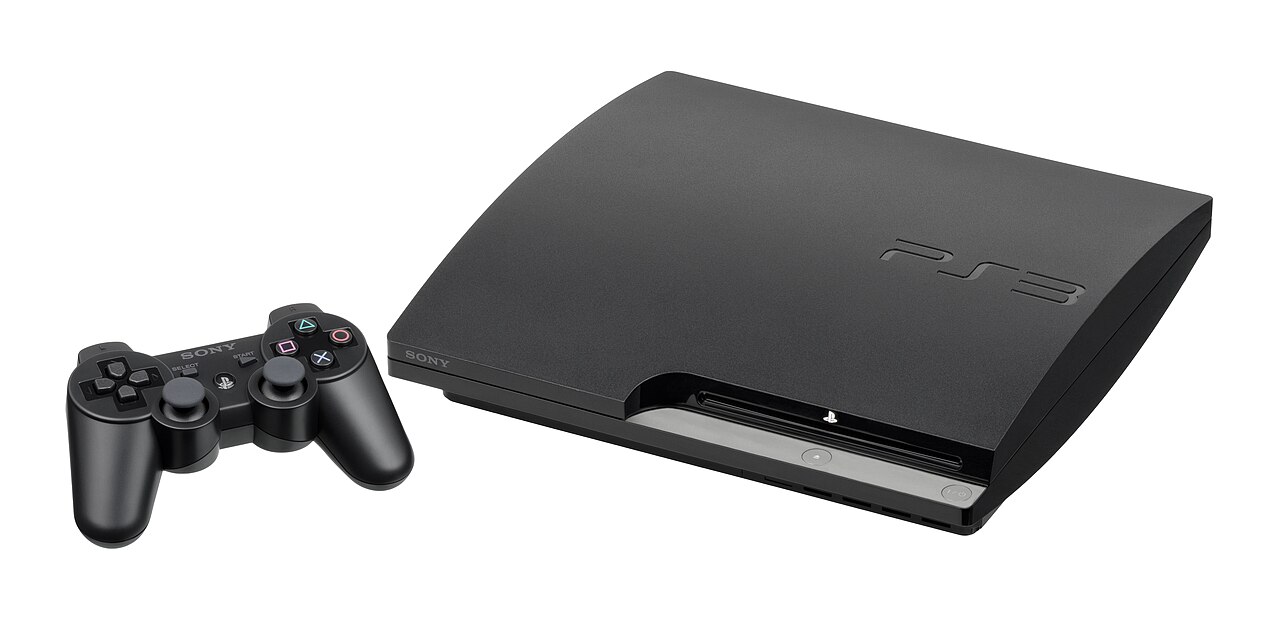
PlayStation 3 Slim. Sony's first major price-cut redesign and the moment the PS3 started winning market share back. Released in September 2009 ($299 for 120 GB), the Slim moved to a 45 nm Cell processor, eliminated the heat-sink overdesign of the fat unit, and dropped the iconic glossy chrome trim for a matte plastic case. The Linux/OtherOS support that early-adopter fat units had shipped with was removed entirely, a change that triggered class-action lawsuits and a lasting bitterness in the homebrew community.
The Slim ran cooler, used less power, and shipped with a more reliable laser assembly than the launch hardware. Most importantly, it cost Sony enough less per unit that the platform finally hit profitability in 2010, five years after Microsoft's Xbox 360 had entered profit territory. The Slim was the form factor that brought the PS3 to mass market: by 2013 the platform had passed the 360 in cumulative global sales.
The CECH-2000 launch revision pictured is the early Slim. Sony issued multiple CECH-2xxx and CECH-3xxx sub-revisions over the platform's life, with progressively cost-reduced internals. The Slim's predictable failure mode is the laser assembly (BD-ROM degradation after 5–7 years); replacement is a $20–$30 part. A working Slim PS3 is the most cost-effective entry into the platform's exclusive library today, with most working units selling for $80–$130.
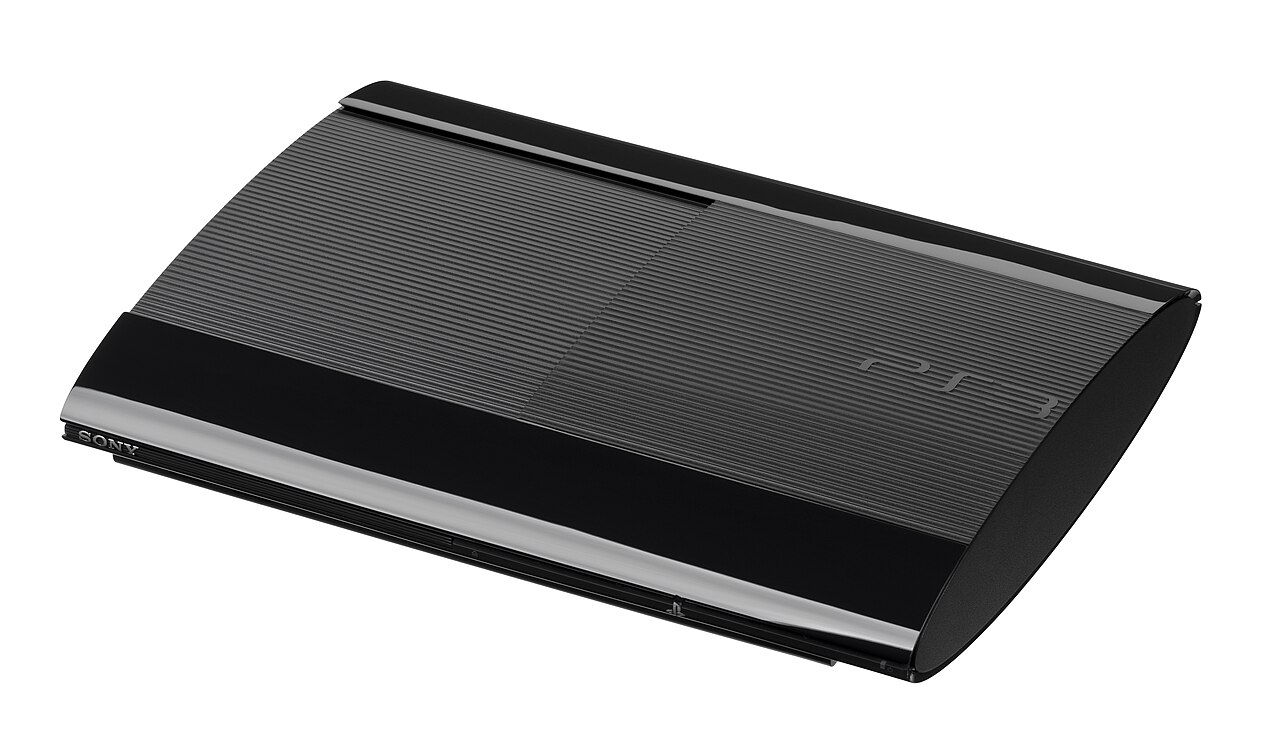
PlayStation 3 Super Slim (2012)
PlayStation 3 Super Slim. The final PS3 redesign, simultaneously the most reliable and the most aesthetically polarizing version Sony shipped. Released in October 2012, the Super Slim moved to a sliding manual disc cover instead of a powered drive (cost reduction), shrunk the case roughly 25% smaller than the Slim, and shipped exclusively with smaller hard drives (12 GB or 250 GB at launch).
The manual disc cover was the most-criticized design choice in the platform's history. Sony's logic was that a sliding cover eliminated the most failure-prone mechanical component (the powered eject motor and tray). Users complained that opening a powered console required physically pushing a plastic flap, that the closing mechanism felt cheap, and that the action wasn't satisfying. The Super Slim never won the audience back from the regular Slim despite being objectively the more reliable hardware.
Lifetime production of the Super Slim was the smallest of the three PS3 form factors. Sony was already shifting marketing to the PS4 by 2013, and Super Slim production wound down by 2015. Today the Super Slim is the cheapest PS3 buy on the used market ($60–$100 working) but the form factor doesn't have the collector cachet of the original fat or the Slim. The 12 GB launch model is the rarest variant and the one most-collected.
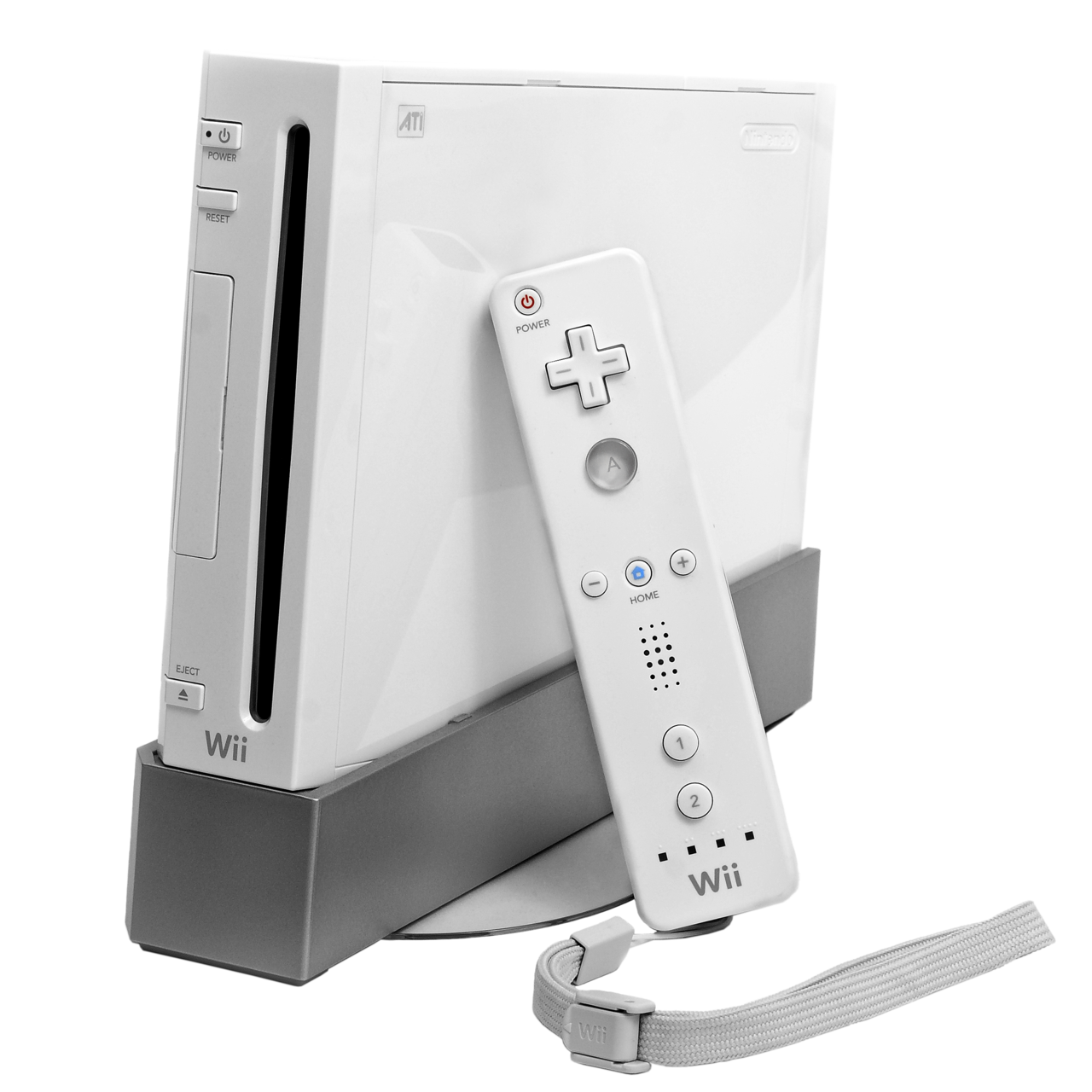
Nintendo Wii (2006)
Nintendo Wii. The console that proved the games industry was much, much bigger than the gaming industry. Released in November 2006 at $249, half the PS3's launch price, the Wii shipped with hardware barely more capable than the GameCube it replaced. The CPU was a tweaked PowerPC 750 ("Broadway") at 729 MHz. The GPU couldn't do HDMI output. The console couldn't read DVDs as movies. None of it mattered.
The Wii Remote and Wii Sports were the entire pitch. Bundled in the box, Wii Sports taught grandparents and grandchildren how to play tennis, bowl, and box together using a controller that was easier to operate than a TV remote. Within eighteen months the Wii had sold to demographics that hadn't bought a games console in twenty years (or ever). Lifetime sales reached 101.6 million units, the best-selling Nintendo home console ever, beating even the original NES.
The Wii's exclusive library is the strongest first-party catalog Nintendo has ever shipped on a single platform: Super Mario Galaxy, The Legend of Zelda: Twilight Princess (and Skyward Sword), Metroid Prime 3: Corruption, Super Smash Bros. Brawl, Mario Kart Wii, Donkey Kong Country Returns. Third-party support was uneven (many publishers concluded that the Wii audience wouldn't buy traditional games), but the Nintendo-developed lineup is virtually flawless. The console pictured is the standard launch white unit; Nintendo also shipped black, blue, and red variants, with the Wii Mini (a 2013 cost-reduced variant that dropped online support and GameCube compatibility) being the most-collected obscure version.
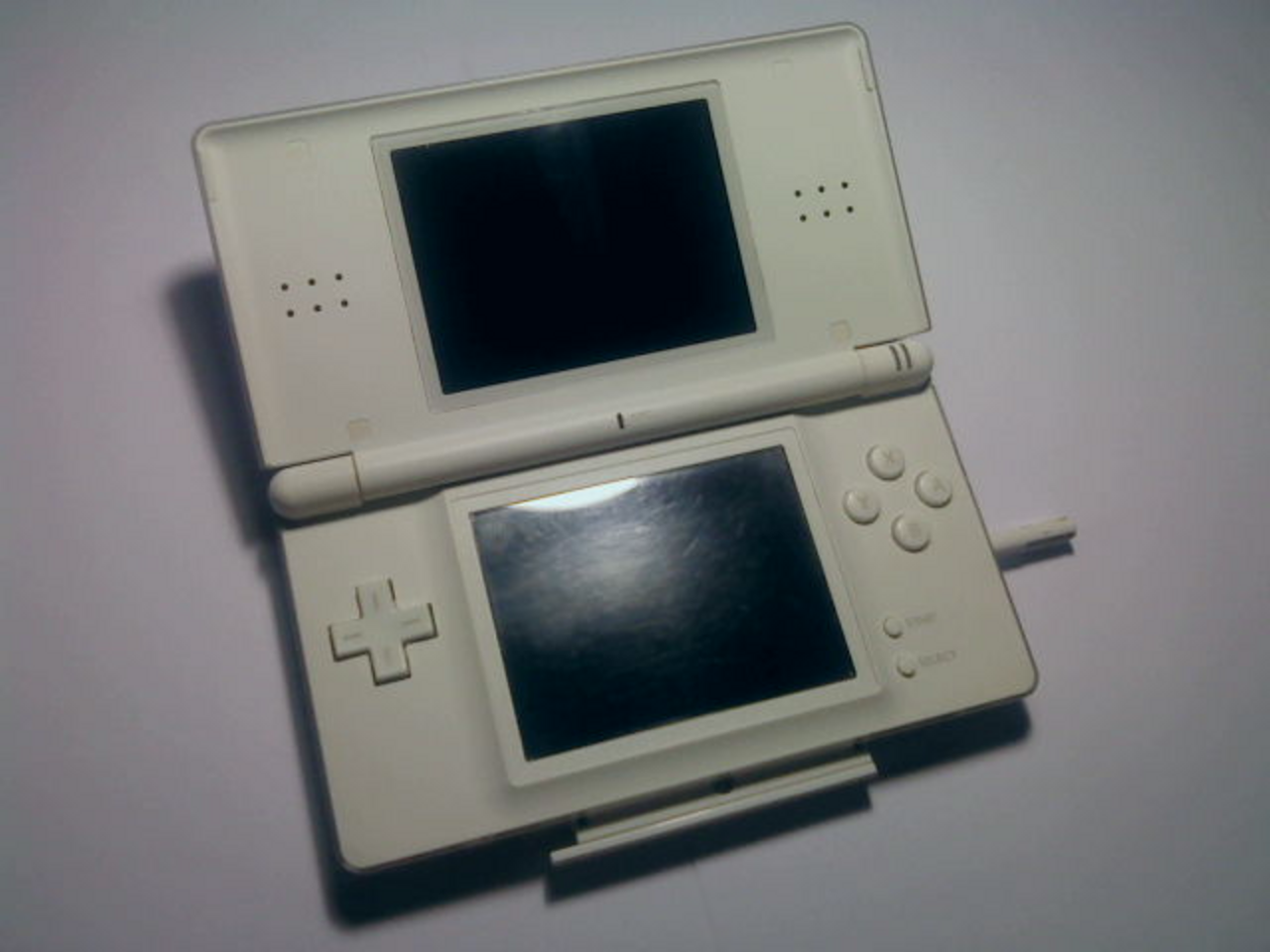
Nintendo DS Lite (2006)
Nintendo DS Lite. The redesign that made the DS into the all-time second-best-selling console. Released in March 2006 (Japan) and June 2006 (North America), the DS Lite shrunk the original by approximately 40%, brightened the screens dramatically (the original DS's screens were widely panned for being too dark), and produced a piece of consumer-electronics industrial design that competes with the original Game Boy and the iPod for "iconic Nintendo product."
The Lite's launch lineup was already strong (the platform had been on the market for 18 months), and the form-factor improvement triggered an expansion phase. Between 2006 and 2008 the DS sold 50+ million additional units globally as the Lite's improved usability brought in late adopters. New Super Mario Bros., The Legend of Zelda: Phantom Hourglass, Mario Kart DS, Mario Party DS, and the Pokémon Diamond/Pearl/Platinum trilogy all launched into a market dominated by Lites.
The Lite is the most collected DS form factor today, partially because it's the model most owners associate with their first DS experience and partially because the screens hold up better than the original's. Hinge cracking is the predictable failure mode (the Lite's hinges are noticeably weaker than the original Fat DS); replacement shells and hinge kits are widely available. The Polar White launch unit pictured is the most common variant; Onyx Black, Crimson Red, and Cobalt Blue are next most common.
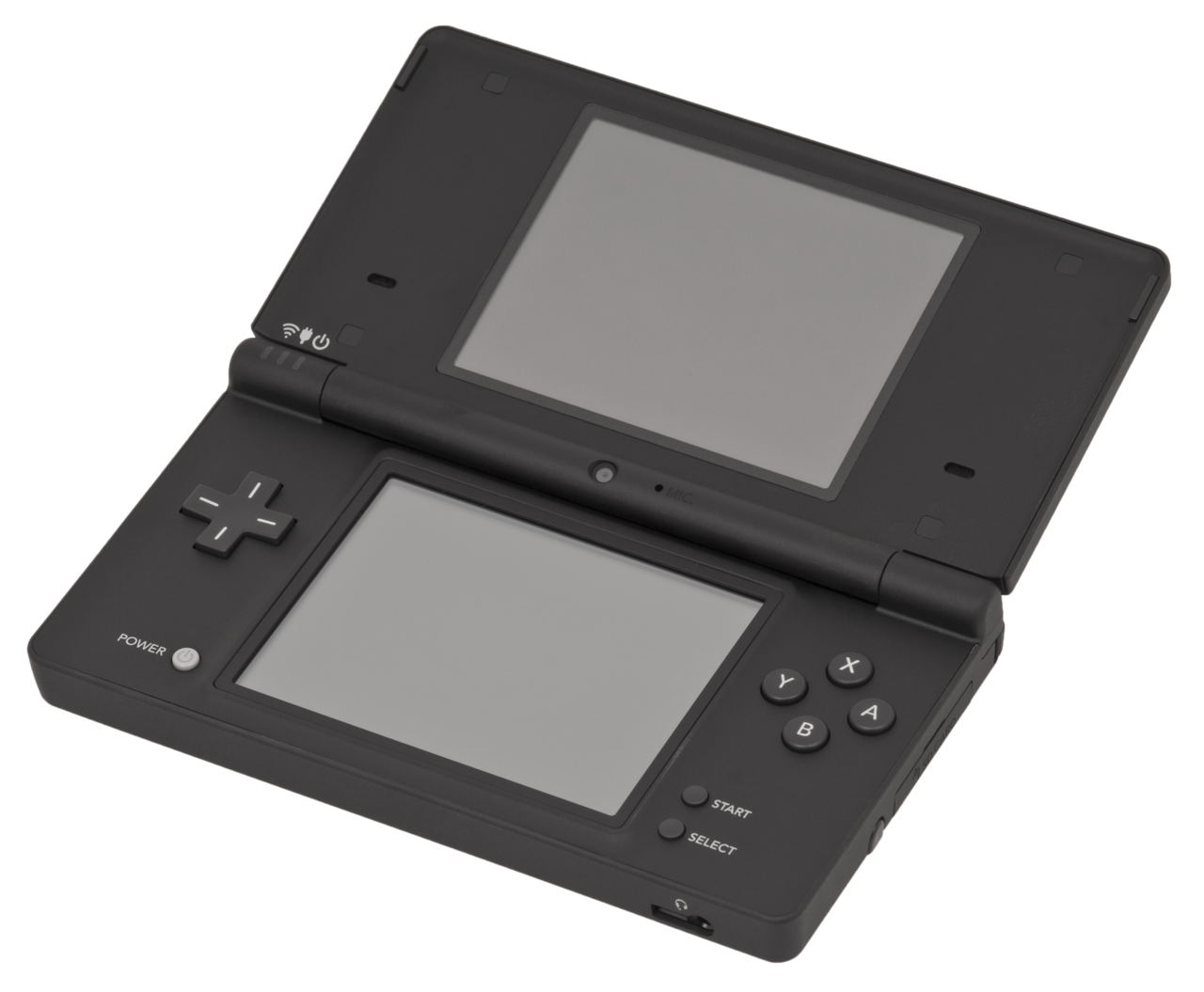
Nintendo DSi (2008)
Nintendo DSi. Nintendo's experiment with adding cameras and a digital storefront to a working platform. Released in November 2008 (Japan) and April 2009 (North America), the DSi added two VGA cameras (one front-facing, one rear-facing), an SD card slot, a faster CPU (twice the clock of the original DS), and DSiWare, Nintendo's first significant digital game store on a portable. The trade-off was full backward compatibility: the DSi removed the GBA cartridge slot that had been a feature of every previous DS model.
The cameras were the marketing feature. Nintendo Japan promoted DSi photo manipulation apps heavily, and the platform's "DSi Sound" voice-recording app got its own dedicated launch lineup. None of it produced a killer app. The DSi sold well but was clearly a refinement of the platform, not a redefinition. Pokémon Black/White (2010) was the platform's biggest exclusive title; the game won't run on original DS or DS Lite hardware.
Lifetime DSi sales (including the larger DSi XL variant launched in 2009) were approximately 41 million units worldwide. The DSi pictured is the standard launch unit (open, showing both screens). The DSi is the only DS variant that received its own digital storefront, making it the form factor most likely to have unrecoverable saved-game data tied to retired Nintendo Network IDs, a real concern for collectors of late-life DS digital exclusives.
PlayStation Portable (2004)
PlayStation Portable. Sony's first handheld and the highest-spec portable Sony ever shipped that ran on UMD discs. Released in March 2005 in North America at $249, the PSP shipped with a 4.3-inch LCD that outclassed any handheld screen before it, MIPS-derived processing comparable to the PS2's, a Universal Media Disc format that held 1.8 GB per disc, and WiFi for online multiplayer. The launch lineup (Lumines, Wipeout Pure, Twisted Metal: Head-On) was strong.
The PSP's reputation today is shaped by how it performed against the DS rather than how it performed against the older Game Boy line. By DS standards the PSP was a flop. Sony shipped roughly 80 million PSPs lifetime against the DS family's 154 million. But in absolute terms the PSP outsold every Nintendo handheld before the GBA. The library reached 1,900+ commercial titles globally. Monster Hunter Freedom Unite, Crisis Core: Final Fantasy VII, Final Fantasy Tactics: The War of the Lions, and the Persona PSP ports are platform-defining titles.
The PSP-1000 launch unit pictured here ("PSP Fat") had a notorious "stuck pixel" epidemic on the launch hardware that Sony eventually addressed via warranty replacement. Multiple revisions followed: PSP-2000 (Slim, 2007), PSP-3000 (2008, with anti-glare screen), and the PSP Go (2009, covered below) all play the same UMD-based games. UMD discs themselves are remarkably durable; the disc format outlived the PSP itself. Sony shipped the last PSP firmware update in 2014 and the PlayStation Network store stopped selling new PSP games in 2016, though re-downloads of previously purchased titles remained available.
PSP Go (2009)
PSP Go. The all-digital handheld Sony shipped before the all-digital handheld market existed. Released in October 2009 at $249, the PSP Go (designated PSP-N1000) eliminated the UMD drive entirely, replaced it with 16 GB of internal flash storage, and shipped with a sliding form factor that hid the controls when the screen was closed. The pitch was that all PSP games could be re-downloaded digitally, and that future titles would be sold exclusively via PlayStation Network.
The pitch worked exactly as well as Sony's launch decisions for the PS3 had: badly. PSP owners with existing UMD libraries had no path to digital. Sony refused to honor "I already own this on UMD" trade-in programs except in limited Japan-only promotions. New buyers paid more for fewer games. Retailers (GameStop in particular) refused to carry the Go because the all-digital model cut them out of used-game profits. The Go was discontinued in April 2011, eighteen months after launch.
Lifetime sales were tiny. Sony never published exact figures but the Go is generally estimated under 1.5 million units. Today the Go is one of the most-collected obscure handhelds: working units in good condition sell for $200–$400, well above what any other PSP variant commands. The form factor (smaller than the PSP-1000, with the slide-out controls and smaller screen) is unique in Sony's hardware history. The Go pictured is the standard piano-black launch unit; Pearl White is the common alternate, with rarer special editions (Magic the Gathering, Final Fantasy VII anniversary) commanding premiums.
Next: Chapter 7 — The Touchscreen Detour (2011–2016). Nintendo doubles down on dual screens. Sony tries one more handheld. Both companies discover that smartphones have eaten the casual portable market, while at home the eighth-generation transition is the most chaotic Nintendo has ever managed.
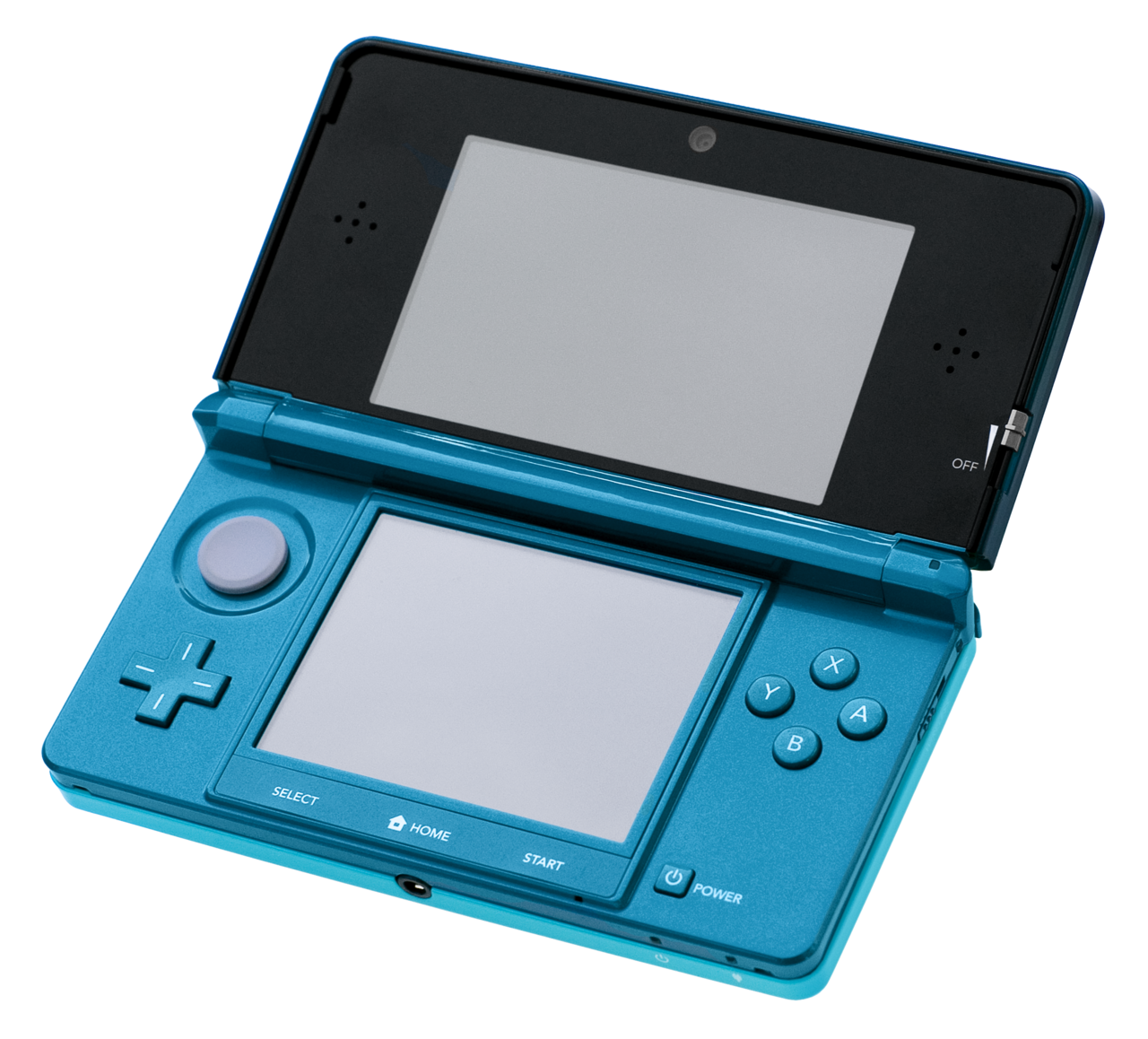
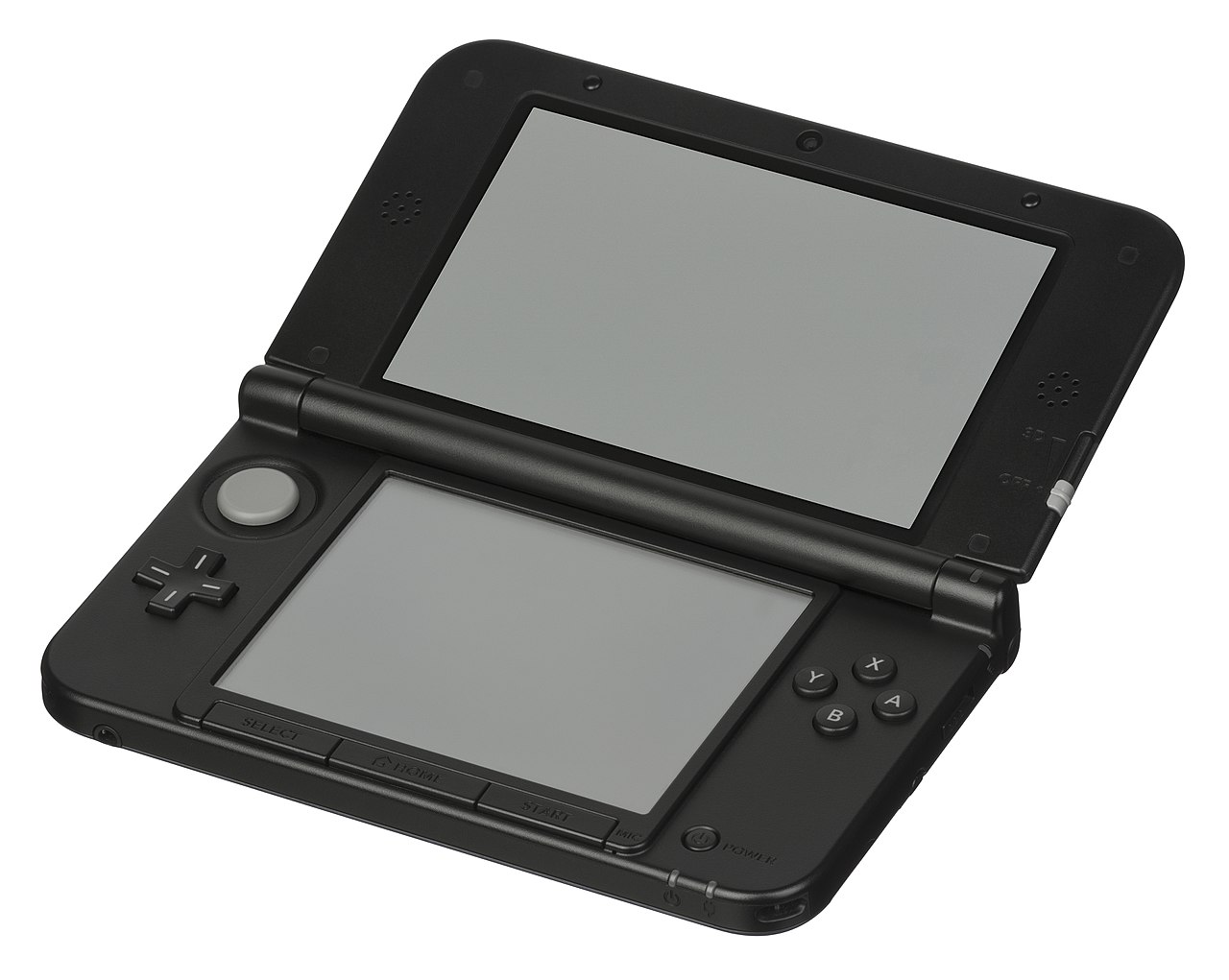
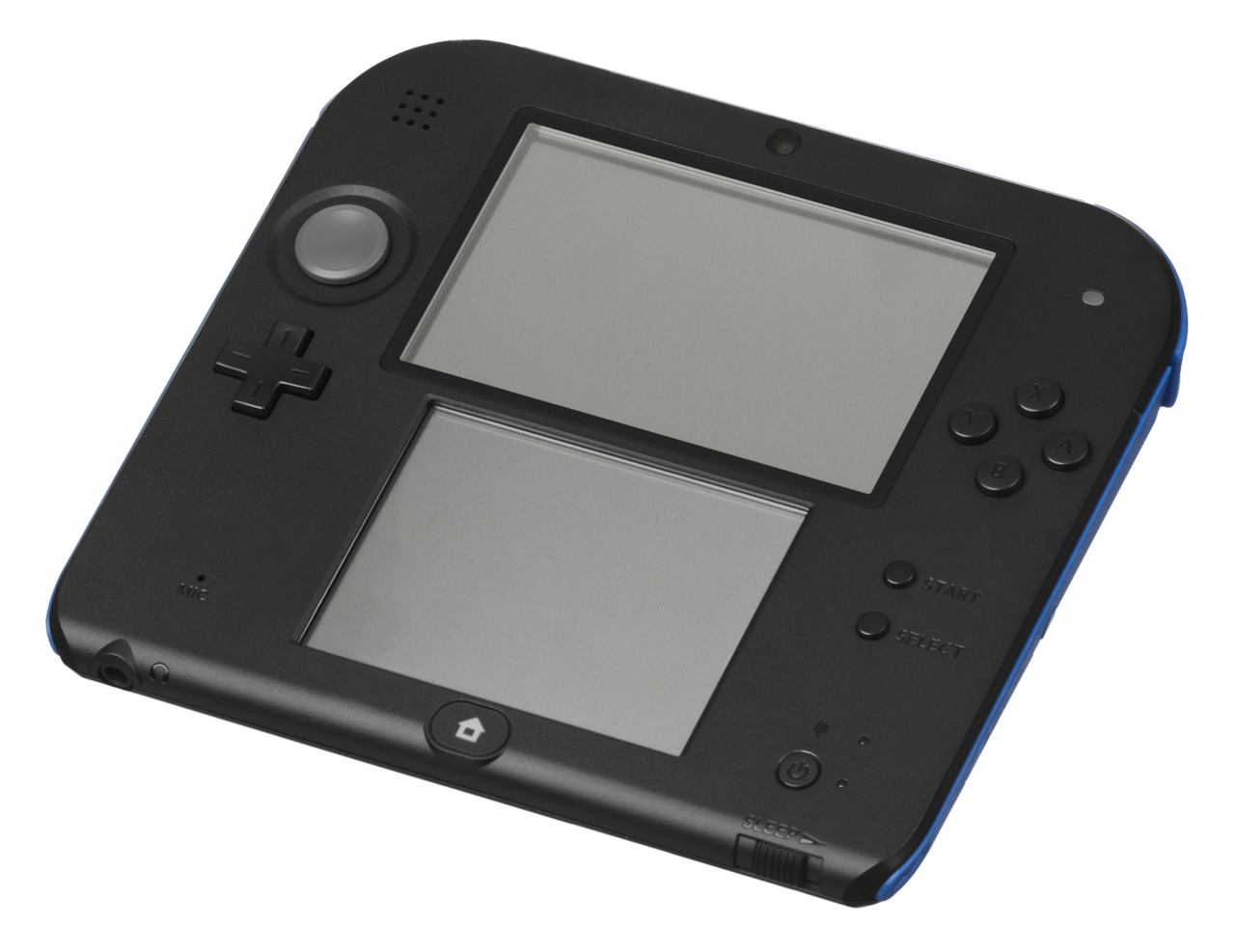
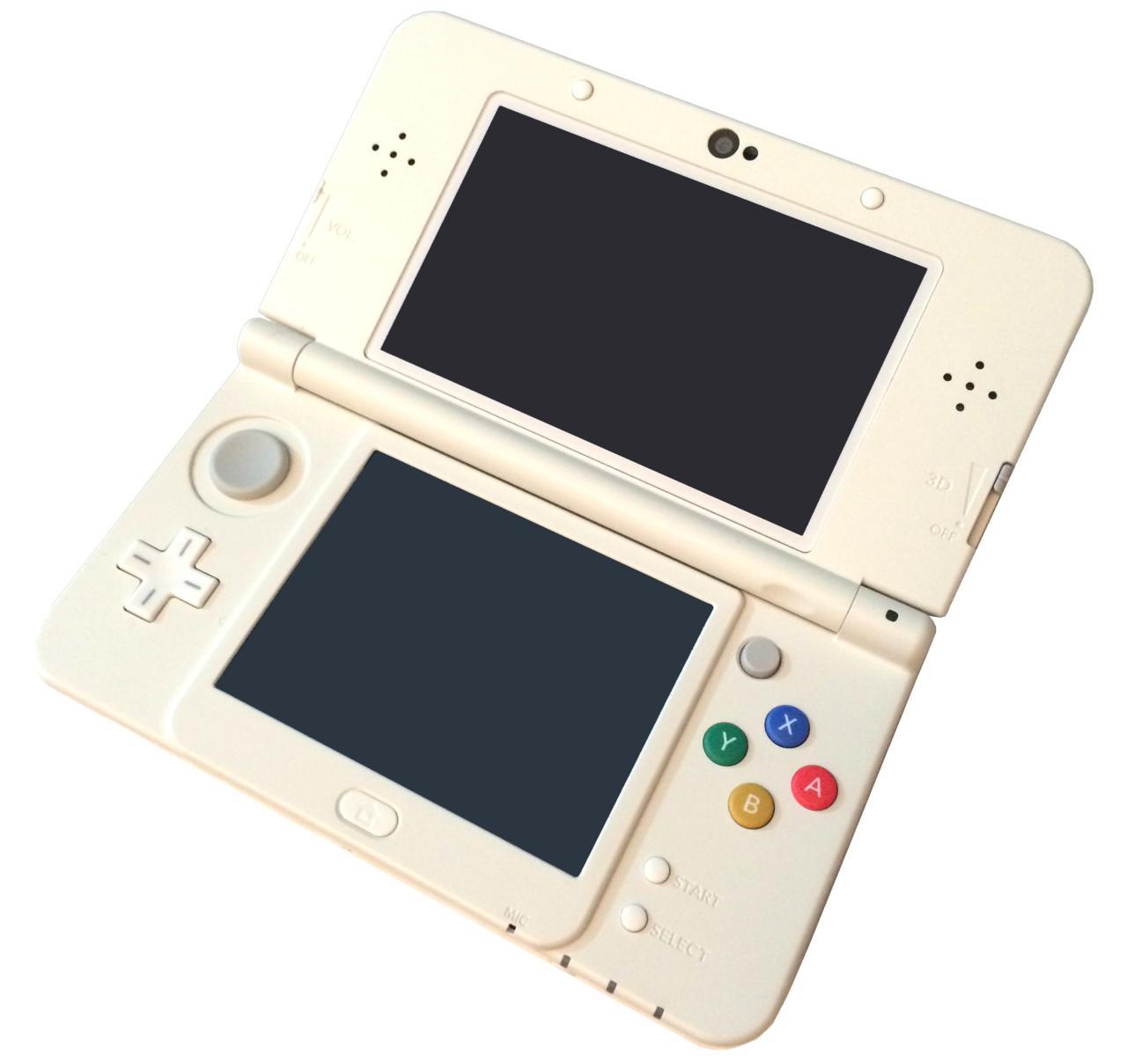
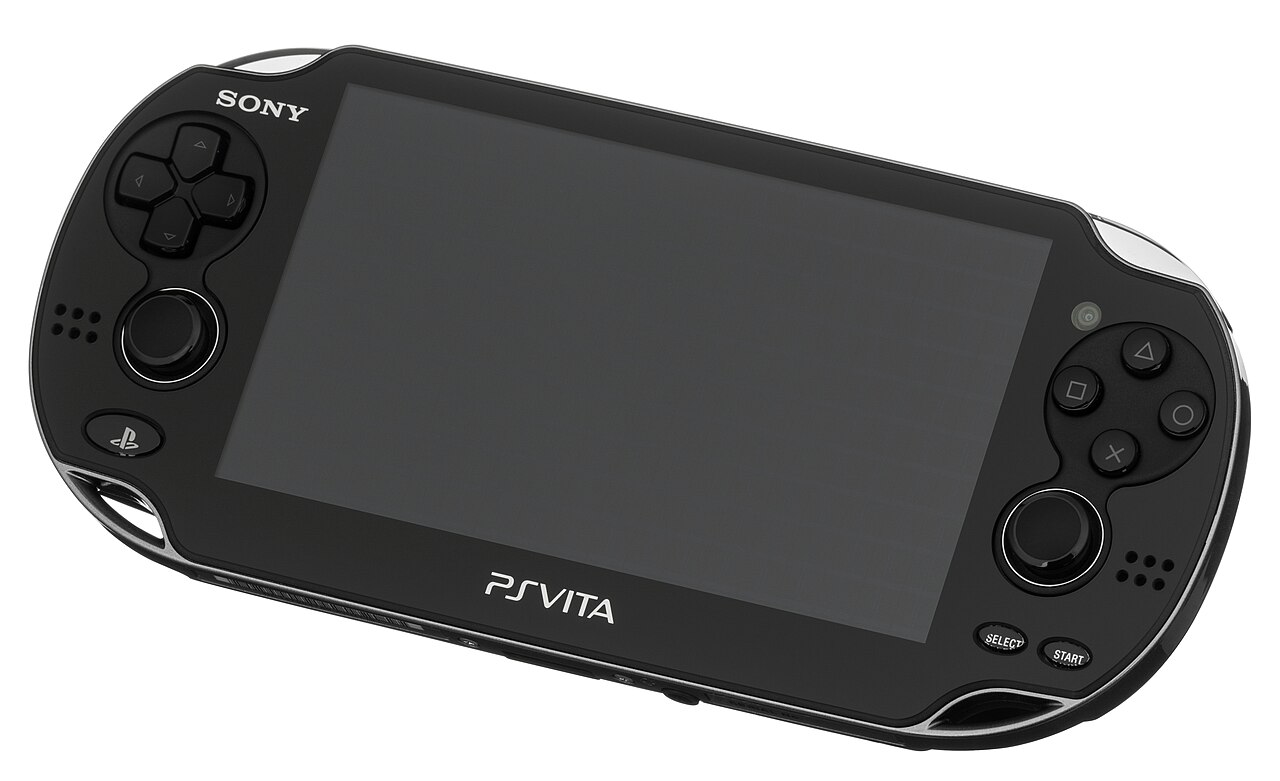
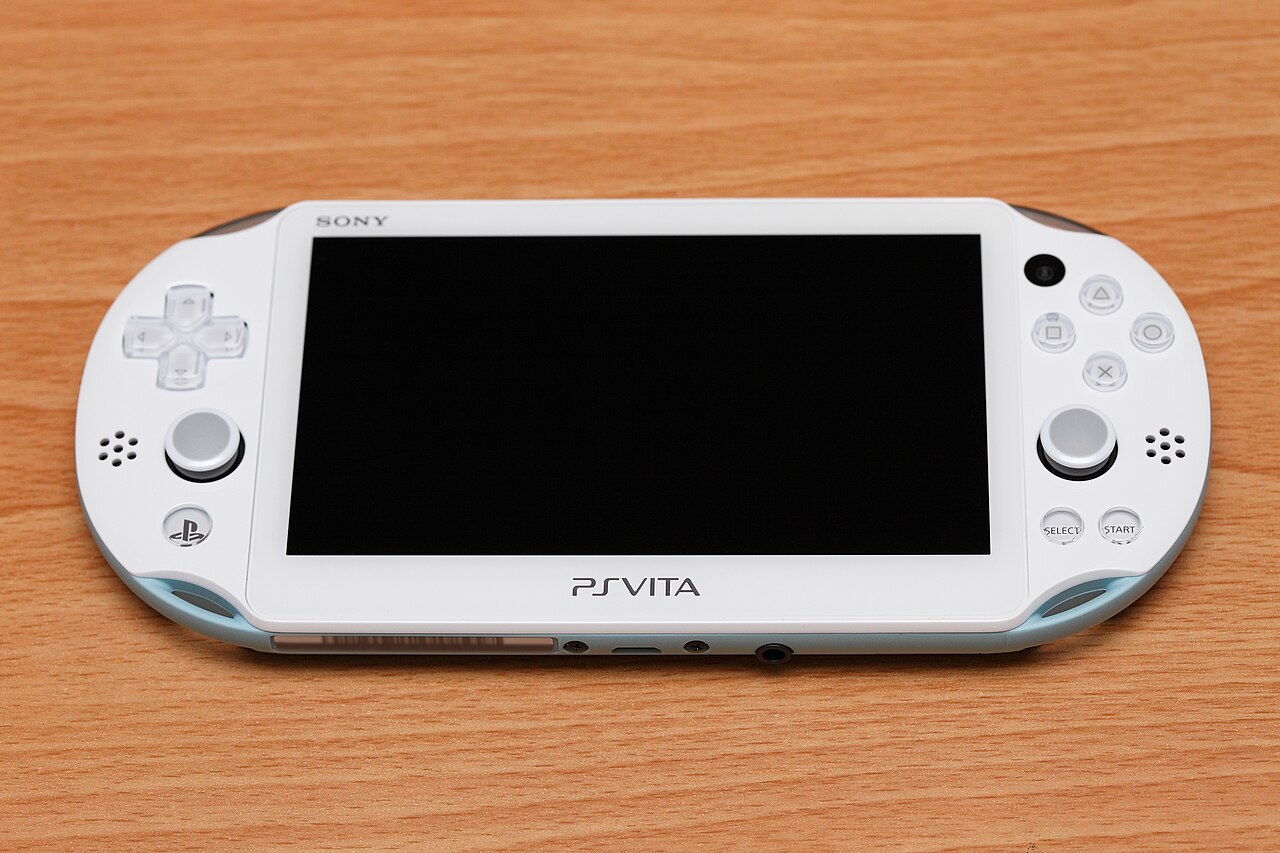
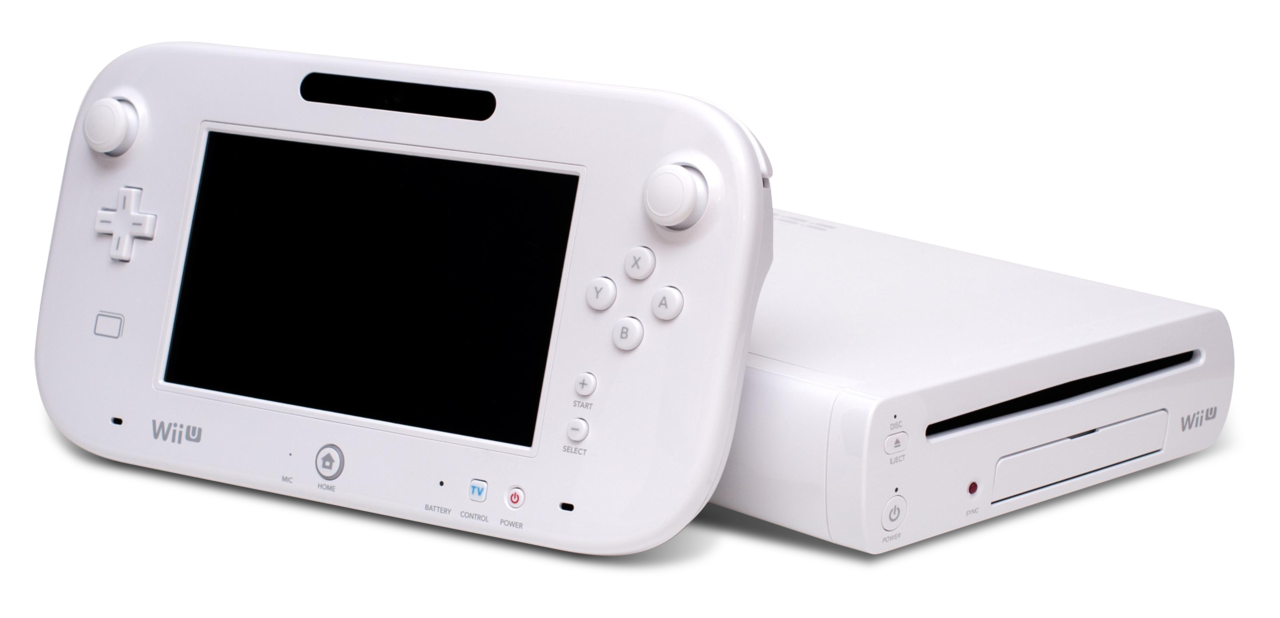
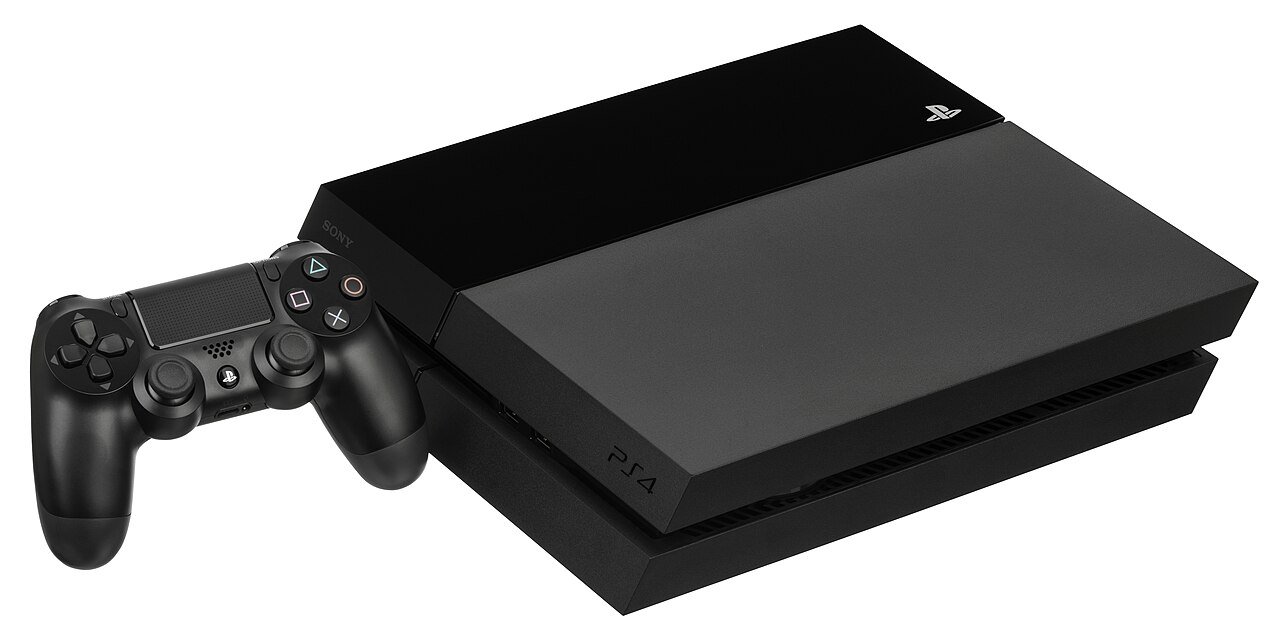
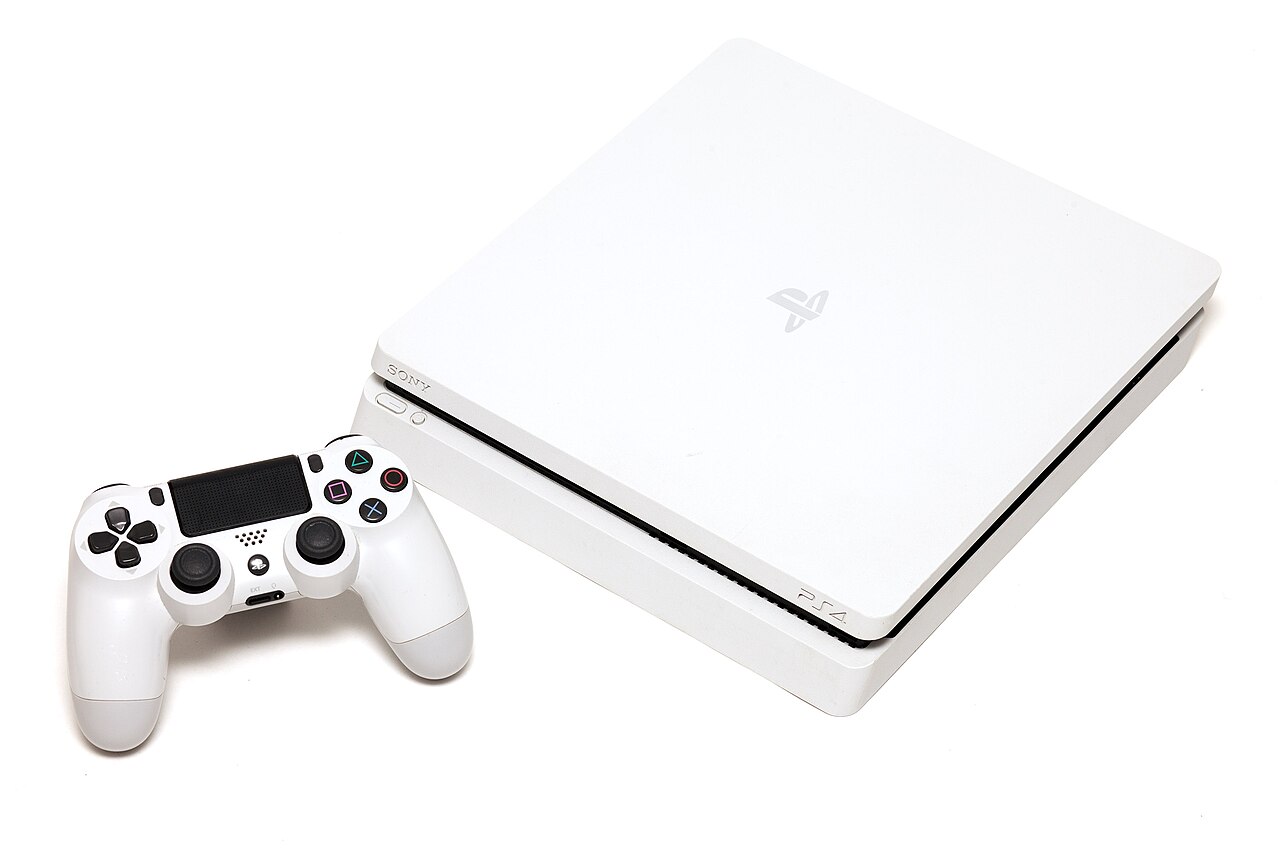
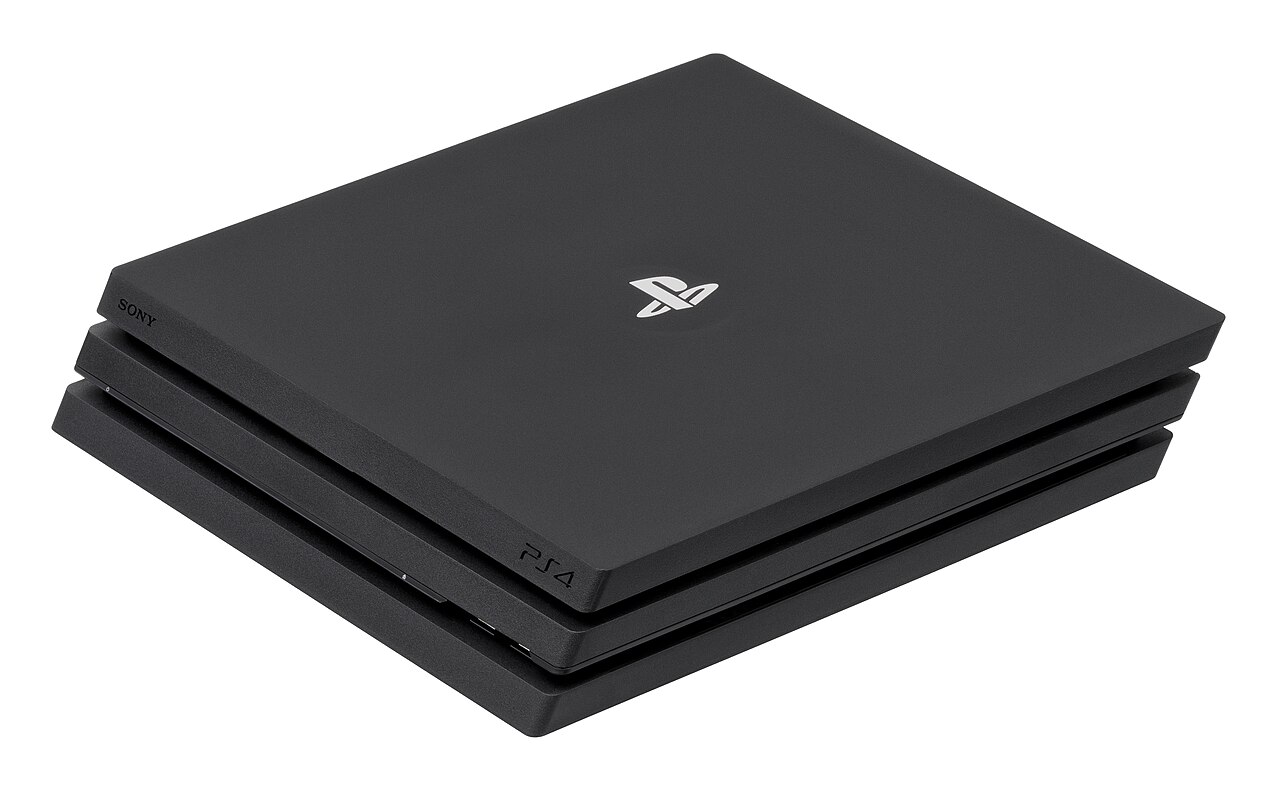
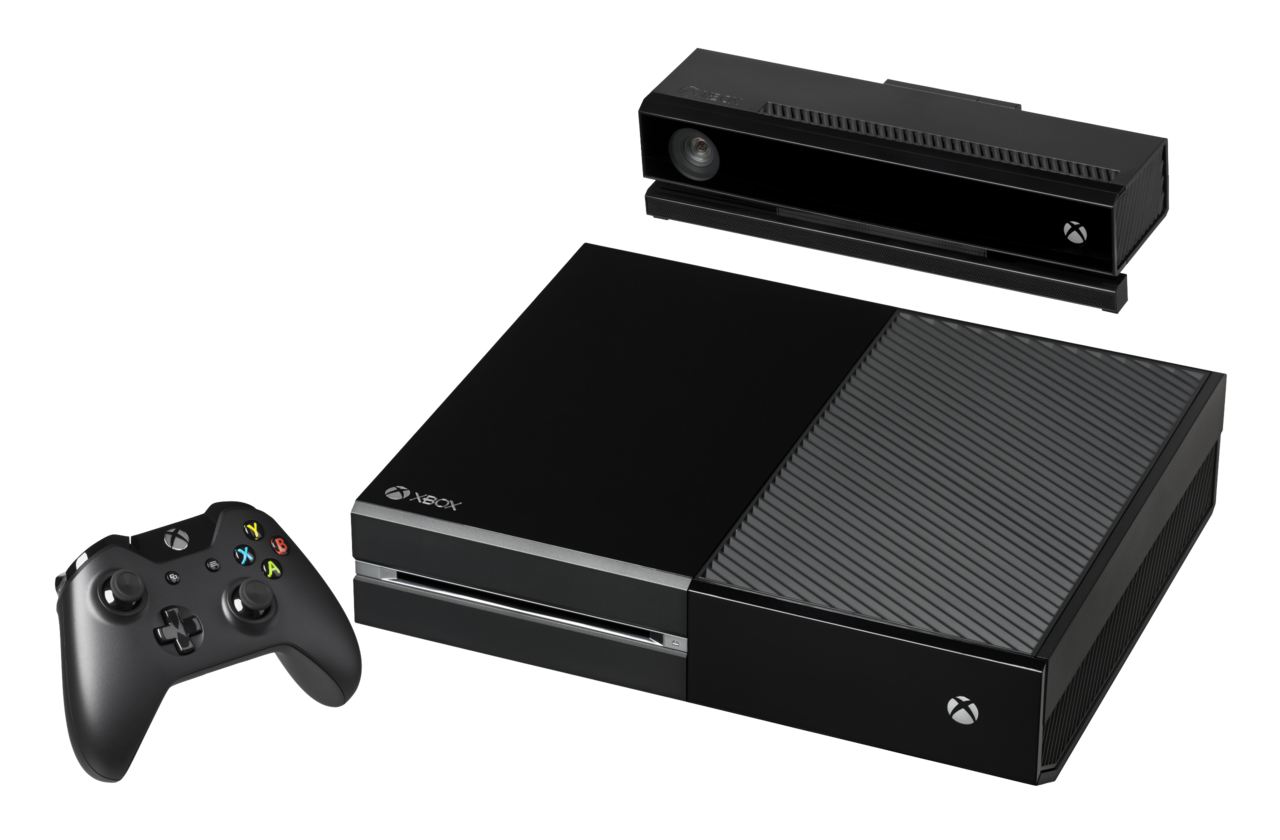
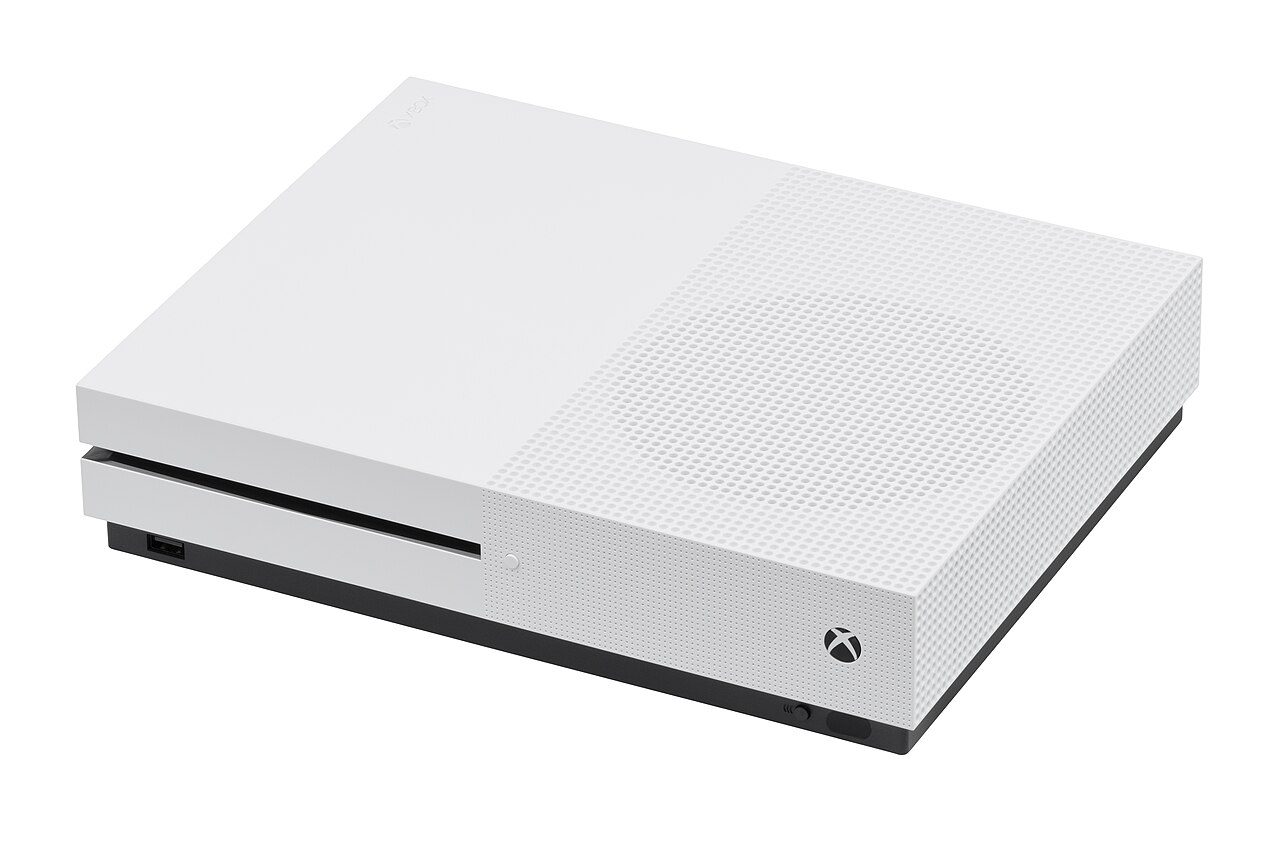
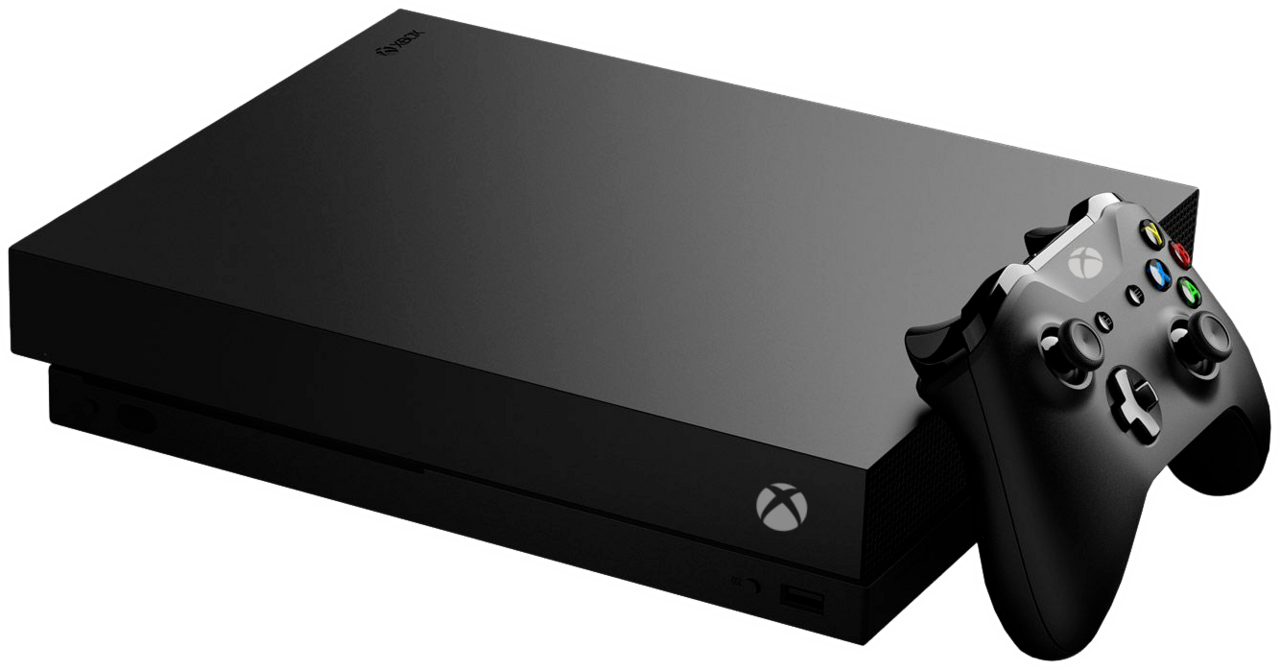
Chapter 7 — The Touchscreen Detour (2011–2016)
The iPhone changed handheld gaming faster and more thoroughly than any other single consumer-electronics product in history. By 2011, Angry Birds had been downloaded 200 million times, more than the lifetime sales of any handheld games console. Candy Crush Saga would do similar volume by 2013. Nintendo and Sony both shipped flagship handhelds into this market in 2011 and 2012, and both watched their numbers fall short. Smartphones had taken the impulse-purchase casual gamer; the dedicated handheld market shrank back to enthusiasts and parents-buying-for-kids.
The home console transition that started in 2012 was equally rough. Nintendo's Wii U was the most badly marketed console launch of the modern era; most consumers couldn't tell whether it was a new console or a Wii accessory. Sony's PS4 had a strong launch but the platform's mid-generation refresh added complexity Sony hadn't planned for. Microsoft's Xbox One launch was a strategic disaster that took two years and major policy reversals to recover from.
By the end of 2016, three things were settled. Mobile gaming was bigger than console gaming and would remain so. Sony had won the eighth-generation home console war decisively. And Nintendo was back in the lab, working on the platform that would let them stop competing with Sony and Microsoft on horsepower altogether.
Nintendo 3DS (2011)
Nintendo 3DS. Nintendo's stereoscopic 3D handheld and the platform that proved 3D-without-glasses worked, in the sense that consumers tried it once and turned it off. Released in March 2011 at $249, the 3DS shipped with two screens (top with stereoscopic 3D, bottom with resistive touchscreen), a circle-pad analog stick, and three cameras (one front-facing for AR, two outward-facing for stereoscopic photos). The launch lineup was thin enough that Nintendo was forced into a rare price cut six months later: $169 by August 2011, a drop large enough that Nintendo issued the original Ambassador Program to compensate early adopters with twenty free Virtual Console games.
The platform recovered. Mario Kart 7, Super Mario 3D Land, Animal Crossing: New Leaf, Pokémon X/Y, and The Legend of Zelda: A Link Between Worlds defined the 3DS as one of Nintendo's strongest first-party catalogs. Lifetime sales for the entire 3DS family (original, XL, 2DS, New 3DS, New 3DS XL) reached approximately 75 million units worldwide.
The original 3DS pictured here in Aqua Blue had two technical concerns that affected long-term collectability. First: the 3D slider gets used less than Nintendo predicted (most players keep 3D off after the novelty wears off), so units have inconsistent slider wear. Second: the original screens are small (3.53" top, 3.02" bottom) compared to the XL revisions, which makes the original 3DS the form factor most likely to feel cramped to modern hands. Today the original 3DS is the cheapest 3DS variant on the used market, often $40–$80 working.
Nintendo 3DS XL (2012)
Nintendo 3DS XL. The redesign that made the 3DS into a legitimate Nintendo workhorse. Released in August 2012 in the West, the XL increased the screens by approximately 90% (top to 4.88", bottom to 4.18"), added significantly better battery life, and shipped at $199, $50 below the original 3DS's launch price. The form factor change was so dramatic that most 3DS reviews retroactively recommended skipping the original entirely and waiting for the XL.
The XL is the most-collected 3DS variant today. The library is identical to the original 3DS (the platform shares cartridges and digital purchases across all variants) but the larger screens make it the platform anyone serious about playing on real hardware reaches for. The XL's most-collected colors are Black, Blue, Pink, and the limited-edition Pokémon, Animal Crossing, and Zelda variants which can sell for $200–$400 boxed.
Hardware reliability is excellent across the XL line. The hinge is sturdier than the original 3DS's, and the larger battery means battery life stays usable longer over the platform's life. The pictured Black XL is the most common variant; New Nintendo 3DS XL (2014, covered separately below) replaced it with a more powerful CPU.
Nintendo 2DS (2013)
Nintendo 2DS. The budget 3DS variant that committed to a fundamentally different form factor. Released in October 2013 at $129, the 2DS removed the stereoscopic 3D capability entirely, replaced the clamshell hinge with a fixed-wedge slate design, dropped the speaker pair to a single mono speaker, and shipped in markedly cheaper plastic than the metal-trimmed 3DS XL. Nintendo's pitch was unambiguous: this is the console you buy for a 6-year-old.
The 2DS plays every 3DS and DS game (the 3D effect simply doesn't render). For its target market (kids who didn't need stereoscopic 3D, parents who didn't want to pay $169 for a clamshell hinge that would crack) it was an excellent product. The colors (Crimson Red, Electric Blue, Sea Green, Pearl Pink) made it visibly a "kid's console" in a way the 3DS line had carefully avoided.
Lifetime 2DS sales were small relative to the 3DS XL (the 2DS was always positioned as a budget alternative, not a flagship) but Nintendo never published exact figures. The 2DS pictured shows the angled wedge form factor that's the platform's distinctive industrial-design signature. Today 2DS units are common and inexpensive ($30–$60 working), making them the most cost-effective entry into the 3DS library, though serious 3DS players still recommend the XL or New 3DS XL for the larger screens.
New Nintendo 3DS (2014)
New Nintendo 3DS. Nintendo's mid-cycle hardware refresh that doubled CPU performance and added a second analog nub. Released in October 2014 in Japan and February 2015 globally, the New 3DS shipped with face-tracking 3D (the camera detects head position and adjusts stereoscopic depth, eliminating the original's narrow viewing angle), a faster ARM11 CPU at 268 MHz, an additional 256 MB of RAM, and a "C-Stick" secondary analog control nub on the right face of the unit.
The hardware bump enabled exclusive titles. Super Smash Bros. for Nintendo 3DS required the New 3DS for the platform's most demanding game; Xenoblade Chronicles 3D (a port of the Wii original) was New 3DS-only. The Legend of Zelda: Majora's Mask 3D added New 3DS-specific stereoscopic enhancements. The platform-fragmentation cost Nintendo something (original 3DS owners were upset about being locked out of new games), but the hardware uplift made the New 3DS legitimately more capable than the original.
Lifetime sales of the New 3DS family (original size + New 3DS XL) made it the second-best-selling 3DS variant. Today the standard-size New 3DS is the rarer form factor. Nintendo mostly sold New 3DS XLs in North America, so the smaller New 3DS commands a premium on the used market because of its scarcity. The pictured Black model is the standard launch variant; the limited-edition Hyrule Edition and Majora's Mask New 3DSs sell for $300+ boxed.
PlayStation Vita (2011)
PlayStation Vita. Sony's most ambitious handheld and the one that proved Sony shouldn't be in handhelds anymore. Released in December 2011 (Japan) and February 2012 (North America) at $249, the Vita shipped with a 5-inch OLED screen (the highest-quality display in any handheld at the time), dual analog sticks (a long-standing PSP complaint, fixed), front + back touchscreens, two cameras, gyroscope, accelerometer, and 3G connectivity in the premium model. The launch lineup (Uncharted: Golden Abyss, WipEout 2048, Lumines: Electronic Symphony) was strong.
The platform died slowly over five years. Three intersecting factors killed it: proprietary memory cards that cost two to three times what a standard microSD did and were required for almost every digital purchase; an underwhelming third-party commitment after the launch window (most major Western publishers gave the Vita less than a year of attention before pivoting to mobile); and the iPad/iPhone ecosystem swallowing the casual gaming market that Sony had hoped to recapture. By 2015 most Western publishers had withdrawn entirely.
Lifetime sales settled around 16 million units worldwide, roughly half of what Sony projected. The 1101 launch unit pictured (OLED screen) is the most-collected version today; the screen alone makes it the better collector buy than the LCD-screened Slim that followed. The Japanese Vita library, however, is the platform's lasting legacy. Rich indie support and a continuous stream of niche-Japanese titles (especially visual novels and JRPGs) made the Vita the late-2010s import-collector's primary platform.
PlayStation Vita Slim (2013)
PlayStation Vita Slim. The cost-reduced redesign Sony shipped to lower the platform's retail entry point. Released in October 2013 in Japan and May 2014 in North America at $199, the Vita Slim (PCH-2000) replaced the original's OLED screen with a less expensive LCD, added 1 GB of internal storage (the original had none), reduced battery life to roughly the same as the OLED model despite the cheaper screen, and shipped in a wider variety of colors (white, black, blue, lime green, yellow).
The screen change was controversial. The original Vita's OLED produces noticeably blacker blacks, more saturated colors, and better viewing angles than the Slim's LCD. Many enthusiasts argue the OLED is the only Vita worth buying. Sony's countermove was a $30 lower retail price and significantly better battery life on paper, neither of which fully compensated for the screen downgrade in practice.
Lifetime sales of the Slim were modest. Sony never broke out variants, but the OLED is the more-collected variant in the second-hand market today. The Slim pictured is the standard White launch model; the Lime Green and Yellow Japanese-market color variants are rare in the West and command premiums. Hardware reliability is excellent on both Vita variants. These were well-built consumer electronics.
Nintendo Wii U (2012)
Nintendo Wii U. Nintendo's worst-selling home console and the launchpad for the Switch. Released in November 2012 at $299 (Basic) and $349 (Deluxe), the Wii U shipped with a 6.2-inch tablet-style controller (the GamePad) that displayed asymmetric content from the main TV: a touchscreen menu, an inventory, a map, or a separate single-player viewport. The pitch was that this enabled new game categories no other platform could deliver.
The pitch never quite landed. Most consumers couldn't tell whether the Wii U was a new console or an accessory; Nintendo's marketing failed to communicate the form factor. Third parties dropped support within a year as install base failed to materialize. The console's CPU was actually weaker than the Xbox 360 in some workloads despite launching seven years after the 360, making most cross-platform games run worse on Wii U than on the previous generation's hardware.
Lifetime sales reached approximately 13.6 million units, Nintendo's worst-selling home console since the Virtual Boy and roughly an eighth of the Wii's volume. The library is small but contains some of Nintendo's best work: Super Mario 3D World, Super Mario Maker, The Legend of Zelda: Breath of the Wild (which launched on both Wii U and Switch), Bayonetta 2, Splatoon, Pikmin 3, and Mario Kart 8. Most of these games were eventually re-released on Switch, making the Wii U one of the few home consoles whose entire major library is available on a successor platform.
The Black Wii U Deluxe + GamePad pictured is the standard configuration. Today the Wii U is one of the cheapest "current-ish" Nintendo consoles to collect: most working units sell for $80–$150, and the GamePad is the only specialized accessory required. Hardware reliability is excellent; the only common issue is GamePad battery degradation, easily fixed with $15 replacement cells.
PlayStation 4 (2013)
PlayStation 4. The console that put Sony decisively back in the lead. Released in November 2013 at $399, the PS4 shipped with hardware simpler to develop for than the PS3 had been: an x86 AMD APU (Jaguar CPU + Radeon GPU on a single chip), 8 GB of unified GDDR5 memory, and a custom secondary chip handling background downloads and OS tasks. The launch lineup was light, but the hardware architecture meant cross-platform titles ran cleanly on PS4 from day one.
The platform's strategic win came in the first six months. Microsoft's Xbox One launched the same week at $499, with mandatory Kinect bundling, draconian used-game restrictions, always-online connectivity requirements, and a marketing pitch oriented toward TV/entertainment rather than games. Sony's launch ad was a 90-second video of two people handing each other a game disc, captioned "How to Share Games on PlayStation 4." Microsoft reversed every controversial Xbox One policy within four months, but the perception of the PS4 as the "gamer's console" was permanent.
Lifetime PS4 family sales (fat + Slim + Pro) reached approximately 117 million units by 2024, second-best Sony console of all time. The fat launch unit pictured here (CUH-1100 series) is the original 2013 hardware; later sub-revisions (CUH-1200) cost-reduced internals while keeping the same external case. The Last of Us Part II, Bloodborne, God of War (2018), Spider-Man, and Horizon Zero Dawn are the platform's defining first-party titles.
PlayStation 4 Slim (2016)
PlayStation 4 Slim. Sony's mid-cycle cost-reduction redesign. Released in September 2016 at $299, the PS4 Slim replaced the angled launch hardware with a flatter, smaller, more rounded chassis, dropped the optical audio output, and used a 16 nm AMD chip that ran cooler and quieter than the original 28 nm hardware. The Slim's defining feature was what stayed the same: it ran every PS4 game identically to the launch hardware, no compromises.
The Slim was Sony's volume seller for the second half of the platform's life. The lower retail price ($299, eventually $249 with bundles) brought the platform into demographics that hadn't paid $399 in 2013. The smaller form factor fit AV-cabinet spaces the launch model didn't. By 2020 the Slim was outselling new PS4 Pro production substantially.
The CUH-2000 launch revision pictured is the standard PS4 Slim. Sony issued multiple sub-revisions (CUH-2100, CUH-2200) over the platform's life with progressively lower power consumption. Today the Slim is the most cost-effective entry into the PS4 library: working units typically sell for $130–$200 and the same family of accessories works across all PS4 variants. Hardware reliability is very strong; the only common failure mode is the hard drive (Sony shipped it with a relatively cheap 5400 RPM drive), easily upgradeable to an SSD.
PlayStation 4 Pro (2016)
PlayStation 4 Pro. The first mid-generation high-end refresh of a console platform, and the one that established the pattern Sony would continue with the PS5 Pro. Released in November 2016 at $399, the PS4 Pro shipped with a substantially more powerful GPU (4.2 TFLOPS vs the original's 1.84 TFLOPS), a slightly faster CPU clock, and 1 GB of additional RAM dedicated to OS functions. The result was 4K gaming support on a console, though most "4K" PS4 Pro titles use checkerboard rendering rather than true 4K.
The Pro's positioning was unusual for console history. Sony was simultaneously selling a $299 Slim and a $399 Pro for the same library, with the Pro's only meaningful advantage being graphics fidelity. Most third-party titles received "Pro patches" with enhanced rendering modes; first-party Sony exclusives generally launched with Pro support built in. The platform-fragmentation concerns Nintendo had grappled with on the New 3DS played out more gracefully on PS4 Pro because games still functionally ran on both. Only the visual quality differed.
Lifetime Pro sales were a substantial minority of total PS4 sales. The CUH-7000 launch model pictured is the original Pro hardware. Today the Pro is the recommended buy for collectors who want the best PS4 experience on a single device, especially if they have a 4K HDR display. Working Pros sell for $200–$300, with Limited Edition variants (the God of War Leviathan Gray, Death Stranding white) commanding premiums.
Xbox One (2013)
Xbox One. Microsoft's catastrophically miscommunicated launch and its slow recovery. Released in November 2013 at $499 with a mandatory bundled Kinect, the Xbox One shipped with the same x86 AMD architecture as the PS4 but slightly weaker GPU specs, an HDMI passthrough that integrated TV content into the dashboard, voice-control via the always-listening Kinect, and policies announced at the May 2013 reveal that included mandatory daily online check-ins, restrictive used-game DRM, and family-share rules that confused everyone.
Microsoft reversed virtually every controversial policy by August 2013, three months before launch. The pre-order numbers had already cratered. Sony's PS4 took the early-generation lead by margins of 2:1 in many regions and didn't relinquish them. The Kinect bundle was unbundled in 2014; the price dropped to $399 and then $349 in 2015. None of it fully repaired the launch perception.
The platform's library was strong (Forza Horizon 3, Halo 5, Gears 4, Sea of Thieves, Ori and the Blind Forest) but Xbox One never sold 50 million units worldwide, against the PS4's 117 million. The launch Day One Edition pictured (the version with a small "Day One 2013" engraving on the controller) is the most-collected variant. Today the Xbox One is the cheapest 8th-gen console to enter ($120–$180 working) and the most-recommended for buyers focused on Xbox Game Pass rather than physical-media collecting.
Xbox One S (2016)
Xbox One S. The redesign that turned the Xbox One into a respectable platform. Released in August 2016 at $299, the Xbox One S shrunk the launch hardware by 40%, added native 4K Blu-ray playback (the only console at the time with the feature), enabled HDR for compatible games, internalized the power brick, and eliminated the IR-blaster requirement that had been a launch controversy. The S was the first Xbox One Microsoft could comfortably point to as a "buy this if you're entering the platform" recommendation.
The 4K Blu-ray player was the platform's secret weapon. In 2016 most standalone 4K Blu-ray players cost $500+; the Xbox One S played 4K Blu-rays and Xbox games for $299. Microsoft's pivot toward "all-purpose entertainment device" was finally landing the way the original Xbox One launch had imagined.
Lifetime sales of the One S were strong relative to the launch hardware. The S is generally estimated at 30+ million units, against the launch unit's much smaller volume. The White launch unit pictured is the standard variant. Microsoft also shipped a black version, and several limited-edition console+game bundles. Hardware reliability is excellent across the One S line. Today the One S is the most-recommended physical-media Xbox One purchase: 4K UHD Blu-ray support remains one of the cheapest paths into the format.
Xbox One X (2017)
Xbox One X. The most powerful console of the eighth generation and Microsoft's first truly premium hardware. Released in November 2017 at $499 (the same price as the launch Xbox One), the One X shipped with a 6 TFLOPS GPU (50% more powerful than the PS4 Pro's 4.2 TFLOPS), 12 GB of GDDR5 RAM, a custom 4K Blu-ray drive, and full backwards compatibility with the launch Xbox One library. The marketing positioned the X as the "true 4K" console; most third-party titles ran at native 4K resolution on the X where they used checkerboard rendering on PS4 Pro.
The price was the platform's primary weakness. $499 in 2017, against a $299 PS4 Slim, made the One X a niche purchase: serious gaming enthusiasts, console-as-Blu-ray-player enthusiasts, and Microsoft loyalists. The total Xbox One generation was already losing to PS4 in install base, and the X's premium positioning meant it never reversed the gap.
Lifetime One X sales were small relative to the One S and the launch console. Microsoft never broke out the figure but the X is generally estimated at under 10 million units. Today the One X is the recommended buy for anyone wanting the best fidelity on Xbox One games, especially since it remains forward-compatible with most Series X|S titles via the Xbox Game Pass library. The Project Scorpio launch edition (a special-numbered bundle marking the platform's internal codename) is the most-collected variant.
Next: Chapter 8 — The Hybrid Era (2017–present). Nintendo solves the home/portable split with one product. Sony refines the console formula. Microsoft pivots from hardware competition to subscription-driven Game Pass. Valve enters the dedicated handheld market and starts a new race nobody saw coming.
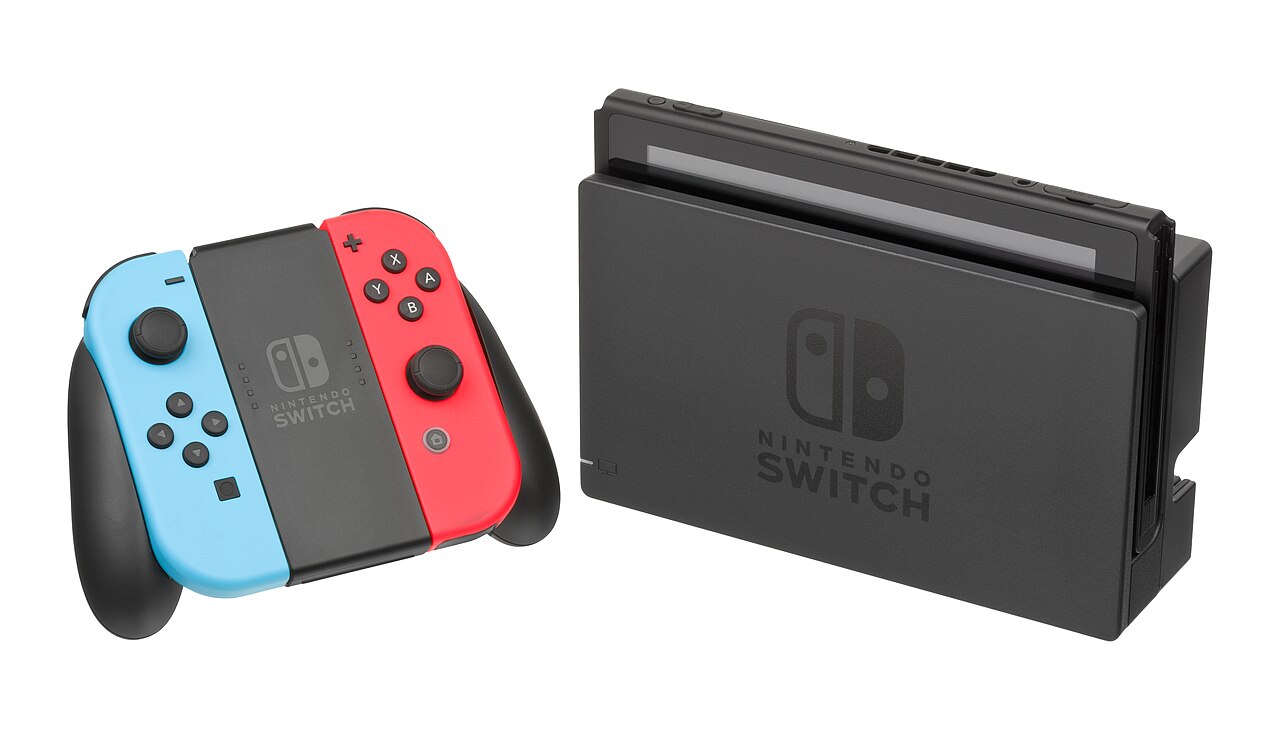
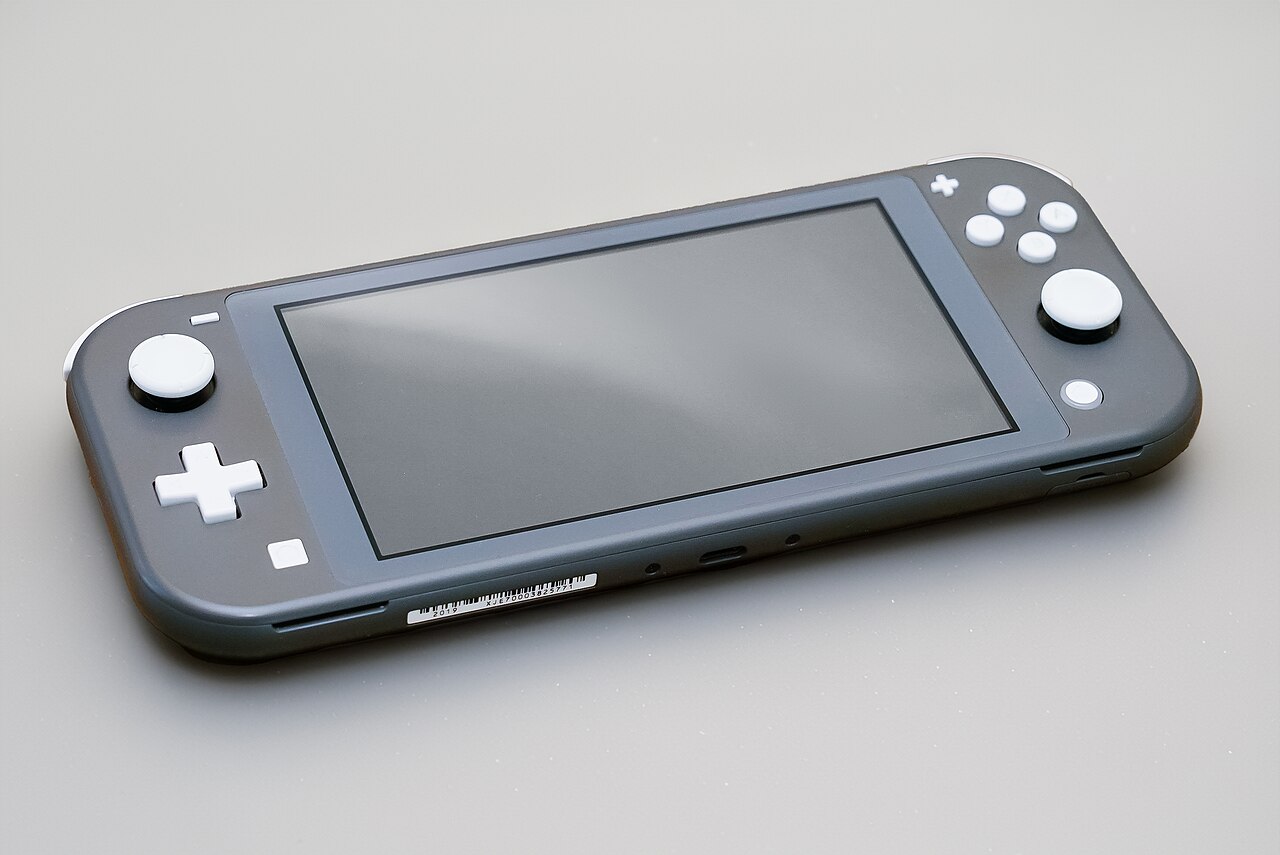
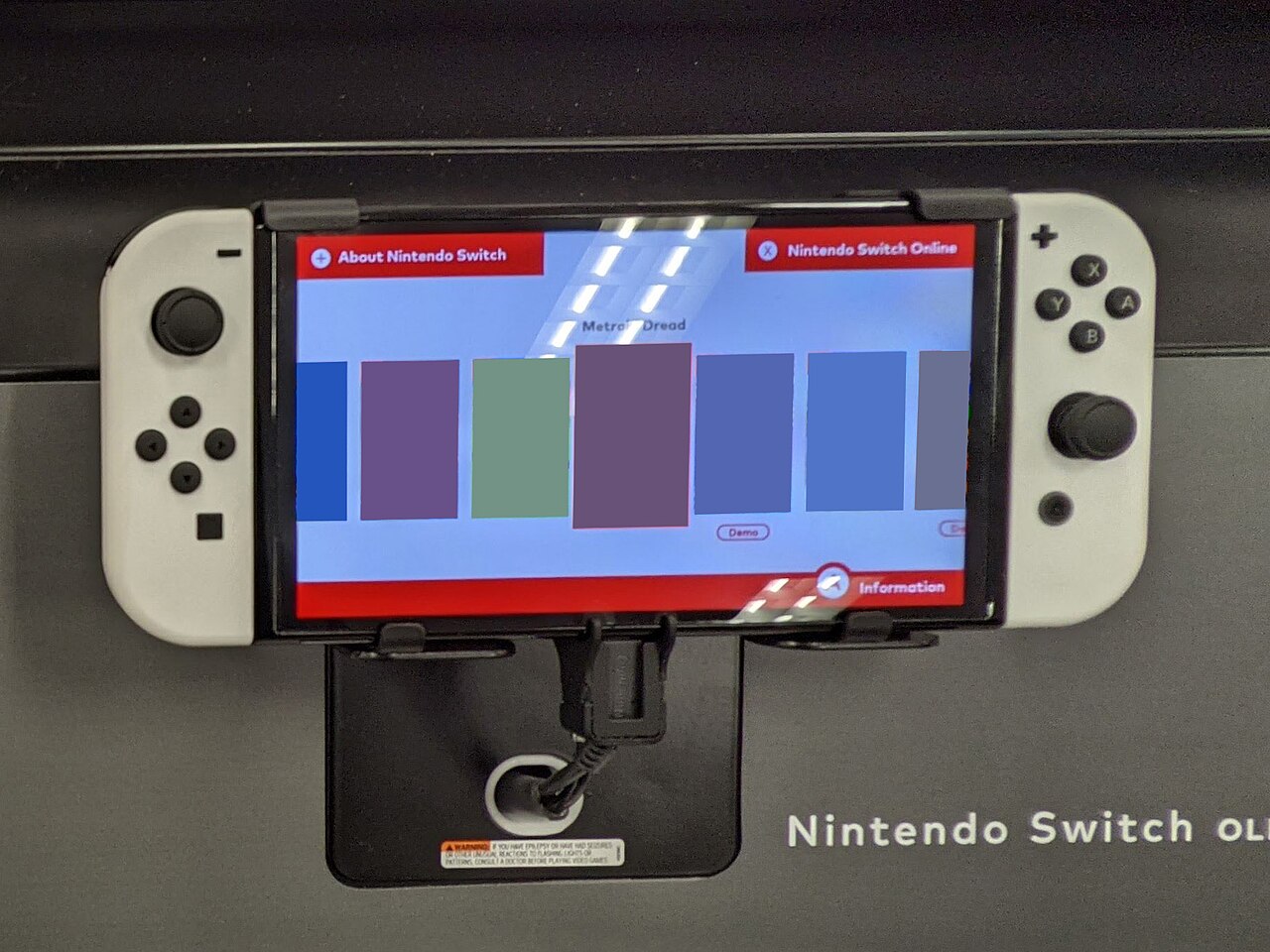
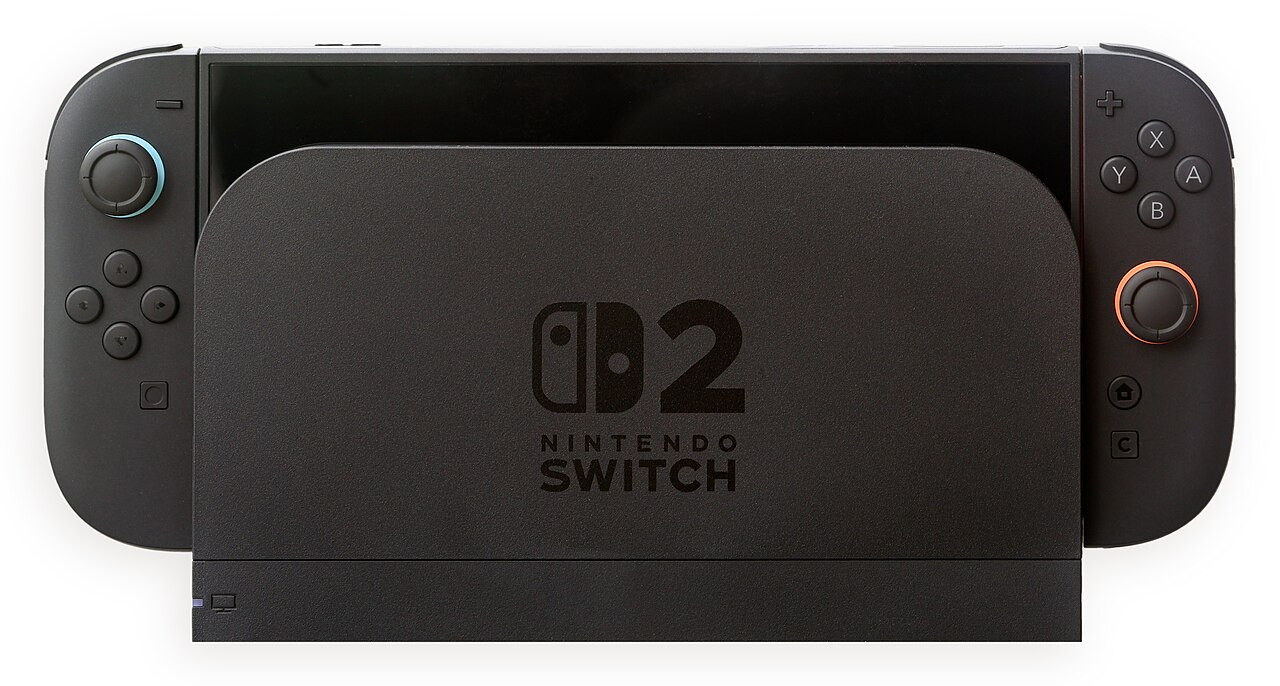
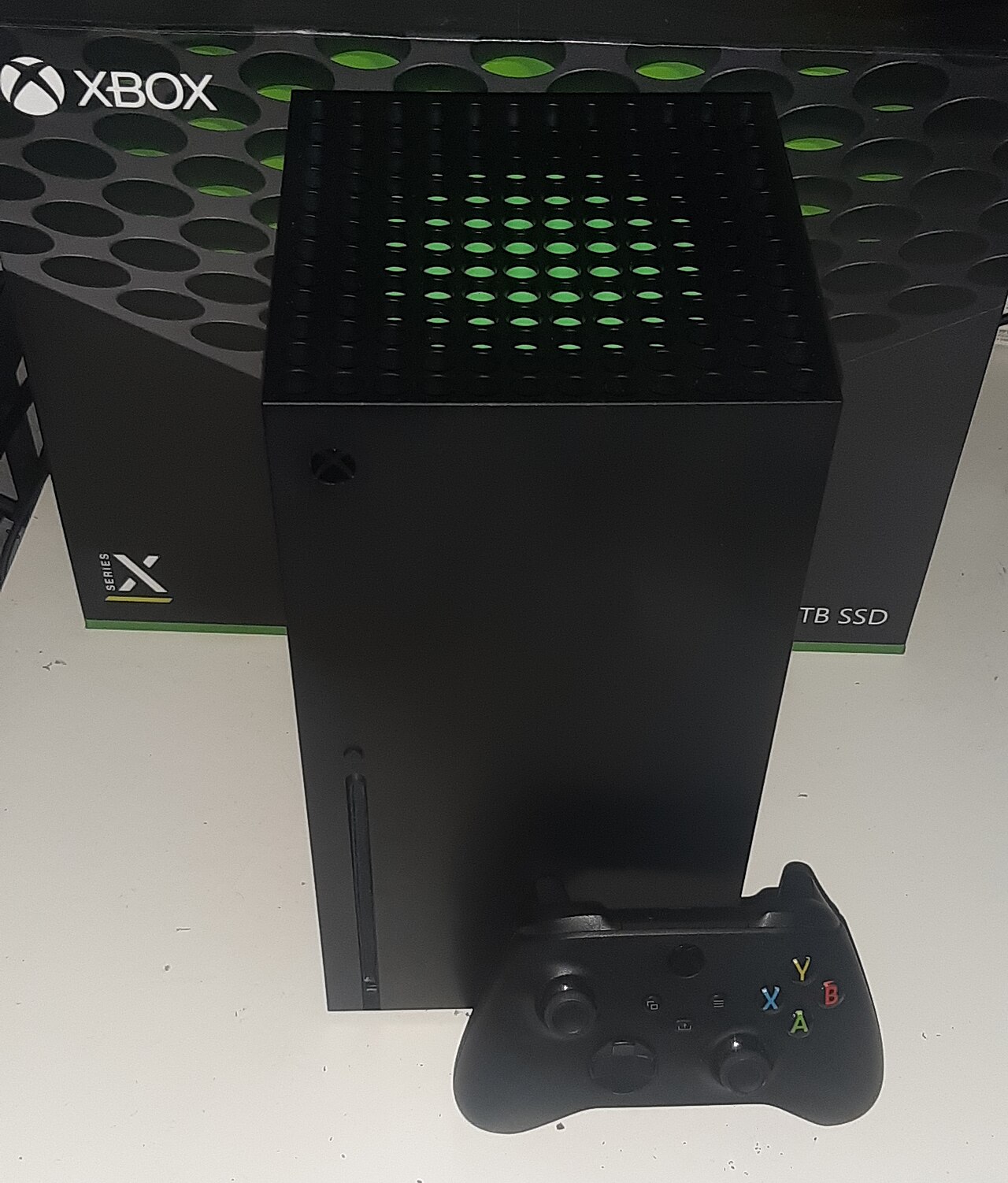
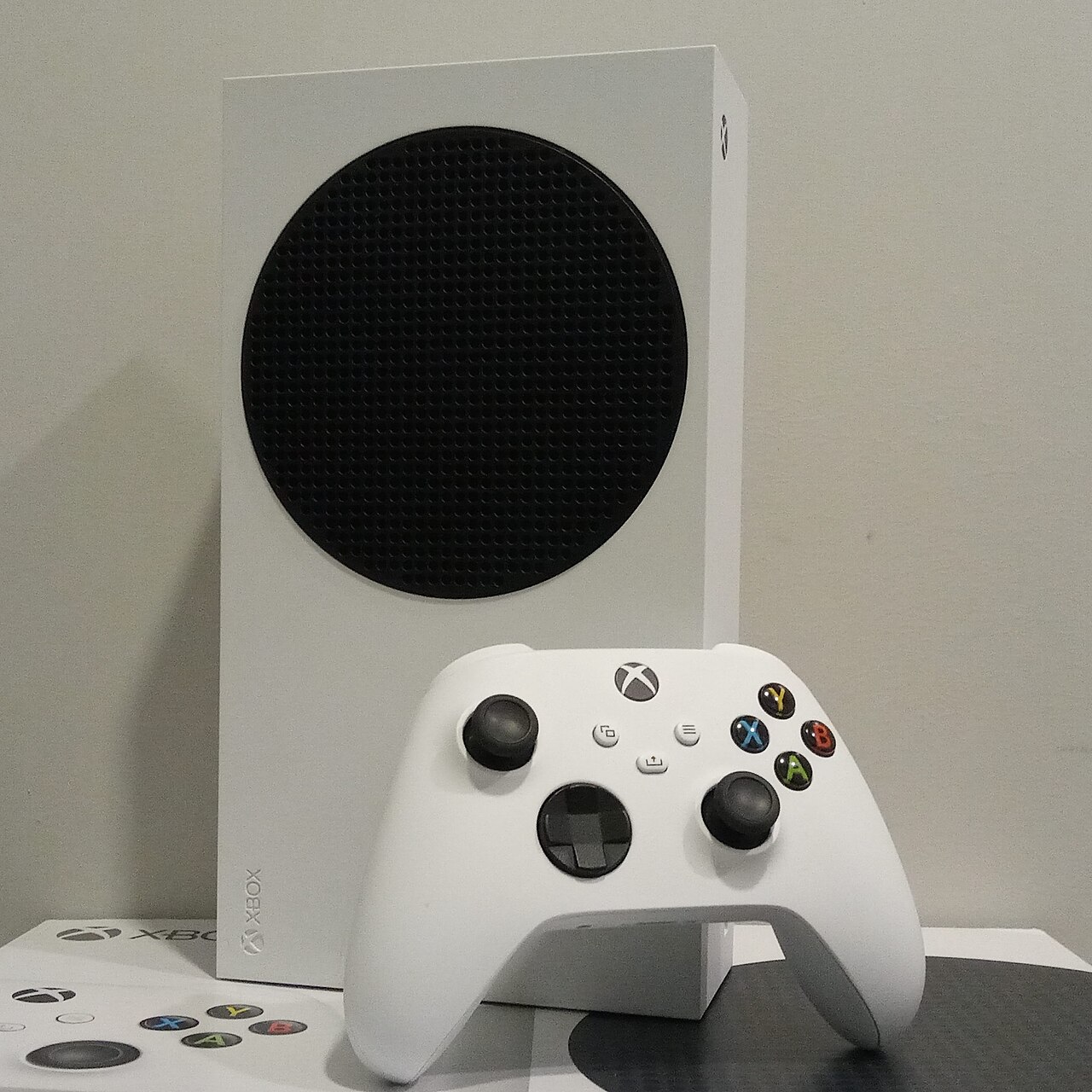
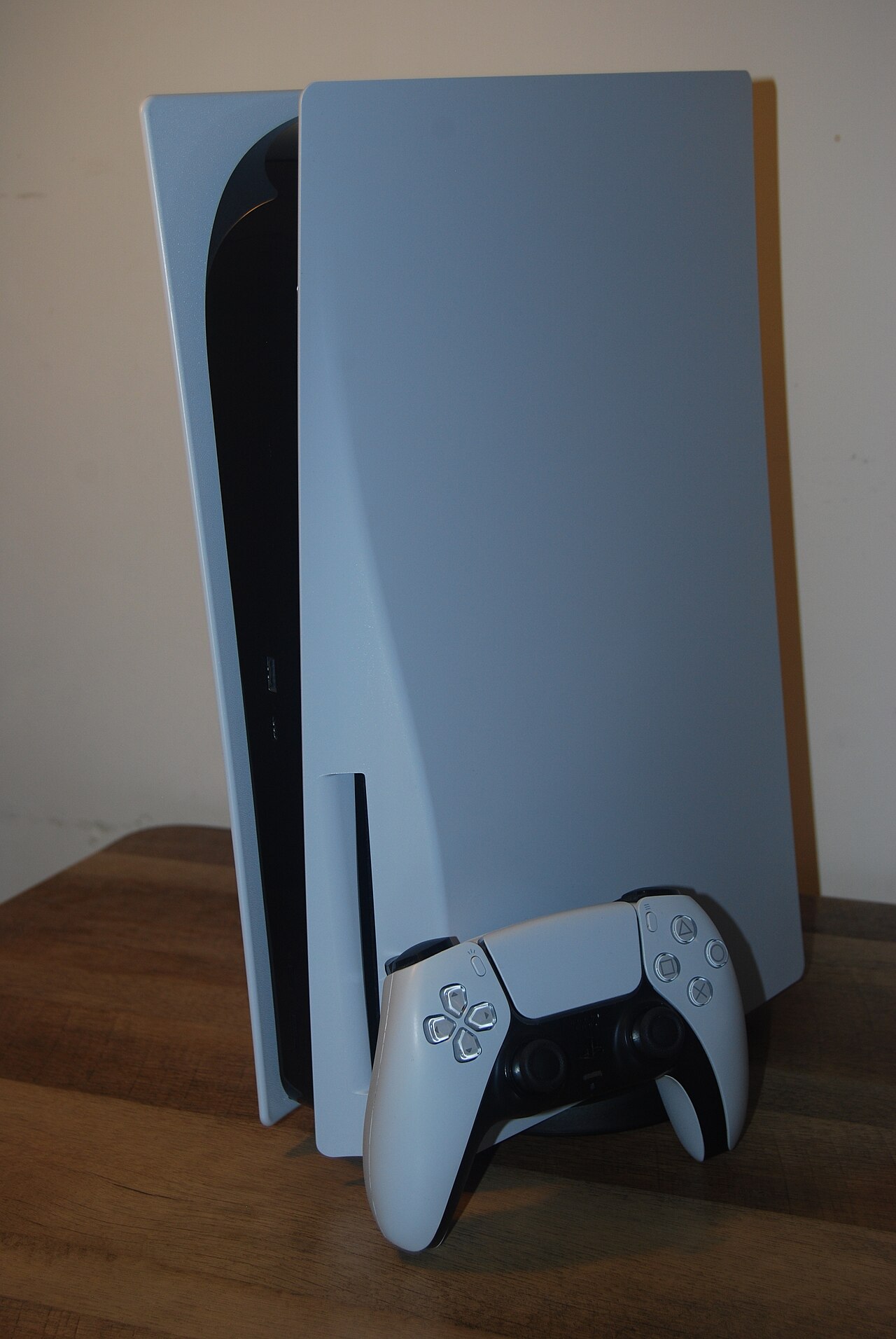
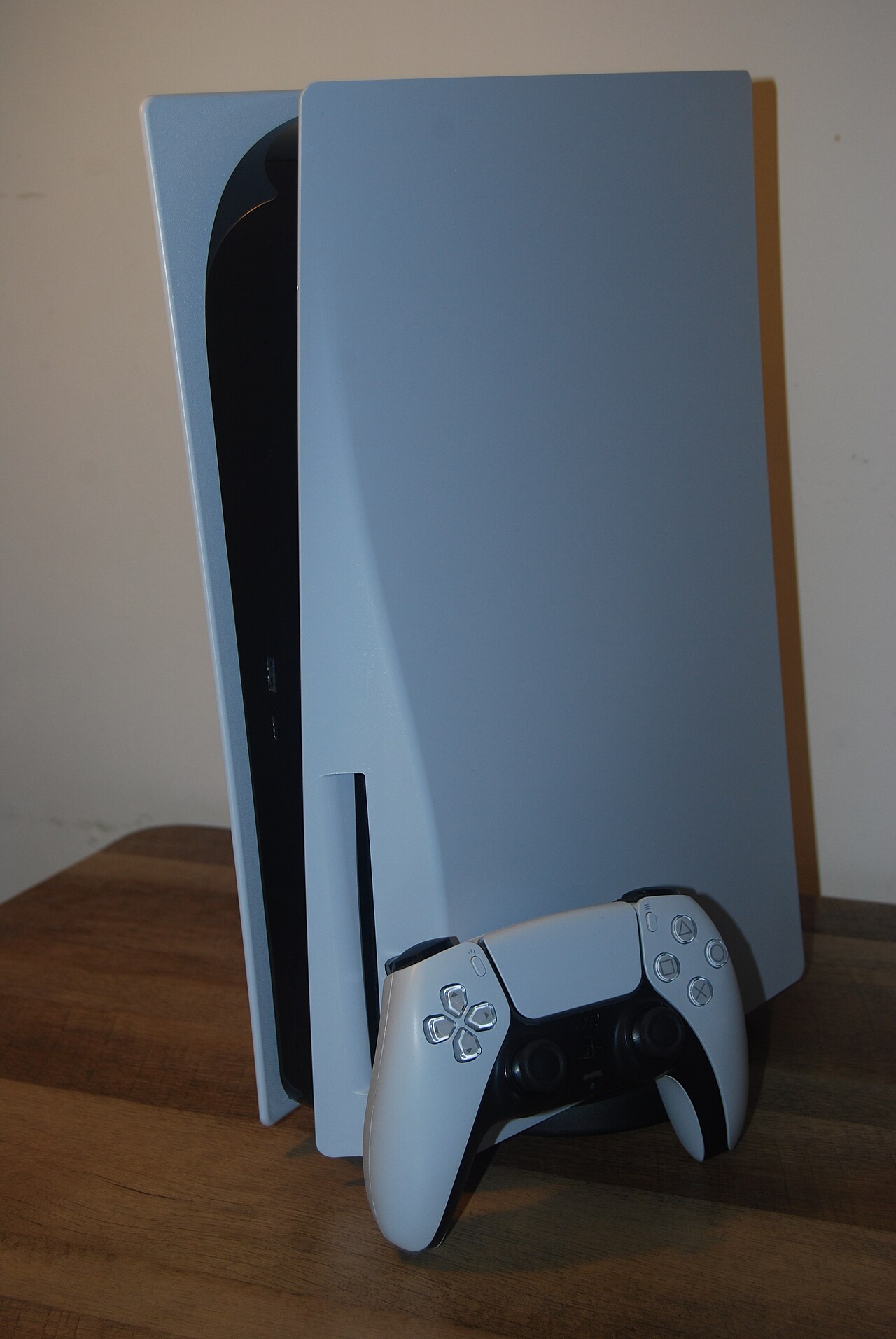
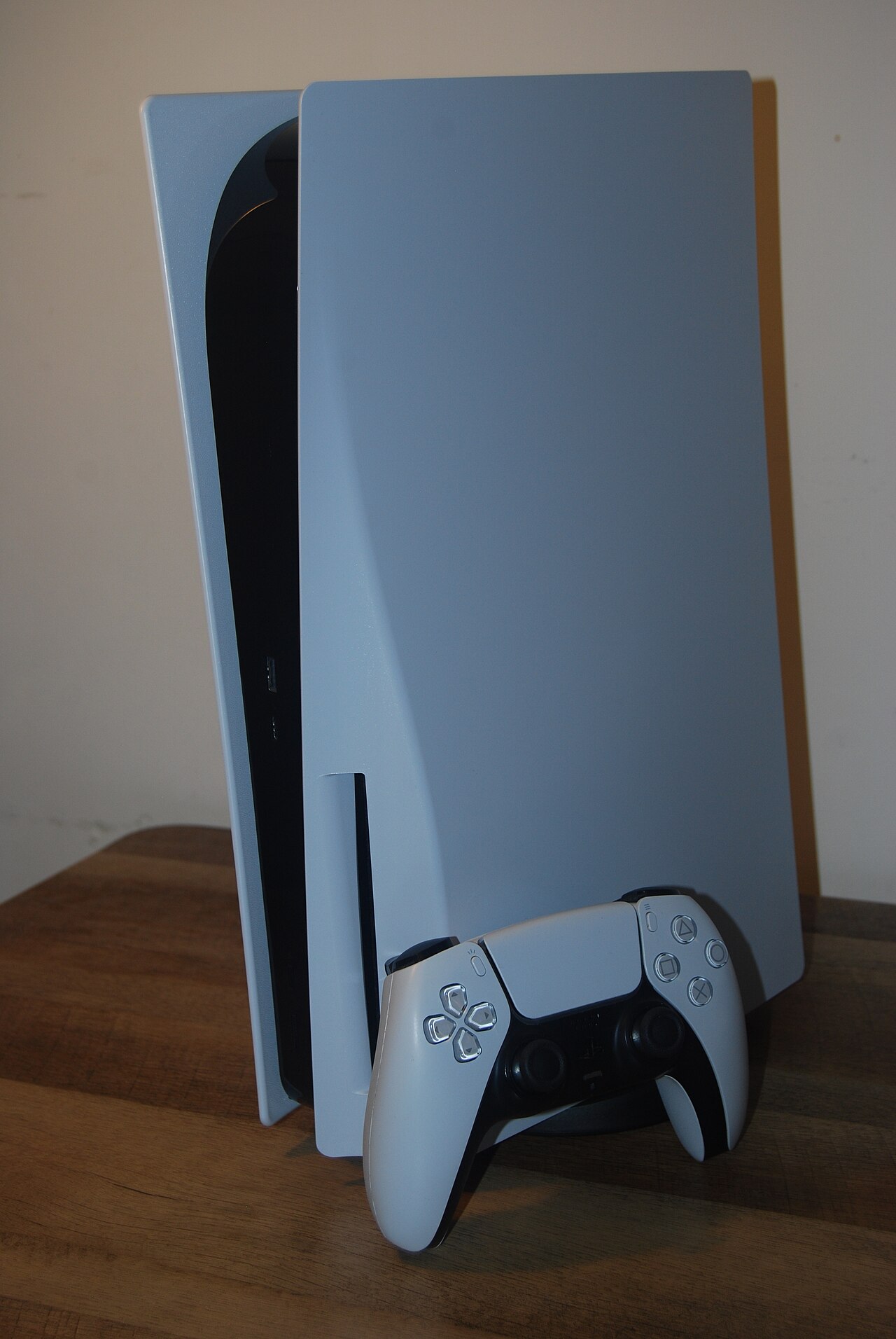
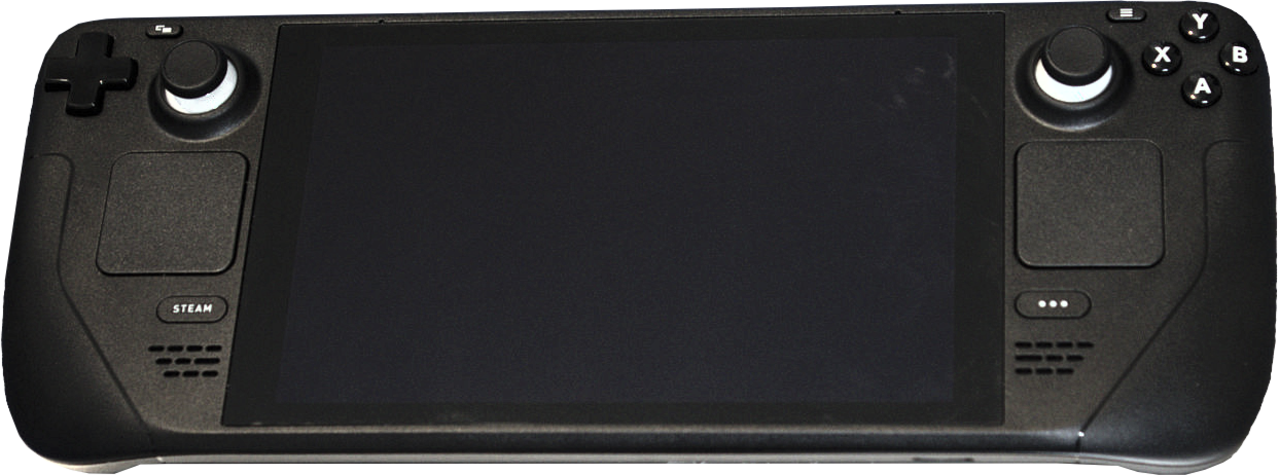
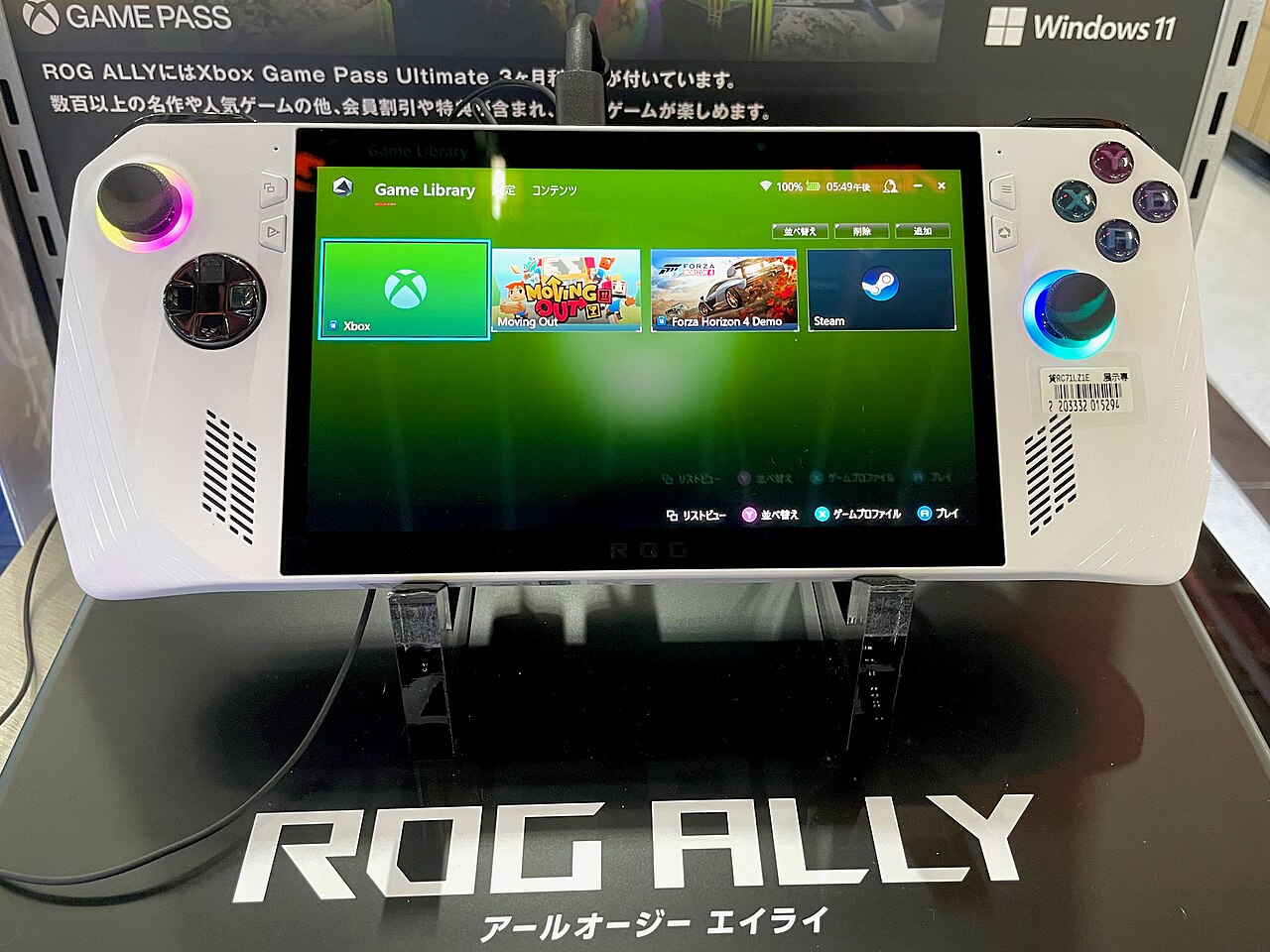
Chapter 8 — The Hybrid Era (2017–present)
Forty years after the Atari 2600 launched, the games console business is bigger than the entire 1977 consumer-electronics industry combined. The PS5 has cleared 80 million units in roughly five years; the Switch has cleared 150 million across all variants; Xbox Game Pass has 35+ million subscribers and is no longer reported as a hardware-tied number. The medium is mature in a way it has never been before.
The current era's defining feature is that the dedicated home-console form factor is no longer the only architecture for gaming. Nintendo's Switch proved that a single device can serve TV gaming and portable gaming on the same library. Valve's Steam Deck proved that a Windows-class portable can run the entire PC games catalog at usable framerates in a handheld form factor. Microsoft's pivot toward Game Pass means most Xbox players now stream their games rather than installing them locally.
The 10th console generation has begun. Nintendo opened it with the Switch 2 in mid-2025, the first new mainline platform from any major manufacturer since 2020. Sony's PS6 and Microsoft's next Xbox have not been announced as of this writing; both companies have signaled that hardware refresh cycles will continue to lengthen as cloud streaming, Game Pass-style subscriptions, and on-device AI take more of their R&D attention than raw silicon ever did before.
By the late 2020s, barring an industry-disrupting product we can't predict, the console market may look very different from its 1977-to-2020 norm. But for now, in 2026, the platforms below define what people buy and play. They are the most successful consumer-electronics products in their respective categories, and most of them will still be selling new units five years from now.
Nintendo Switch (2017)
Nintendo Switch. The console that solved Nintendo's home-and-portable strategic split with a single product. Released in March 2017 at $299, the Switch shipped as a tablet-style handheld that slots into a TV dock to play on a big screen, with detachable Joy-Con controllers that operate independently or attach to the tablet. The hardware (a custom Nvidia Tegra X1 derivative) is modest, roughly comparable to a Wii U in raw power, but the form-factor ingenuity made it irrelevant.
The launch lineup was carried by The Legend of Zelda: Breath of the Wild, which simultaneously launched on Wii U and Switch and which most reviewers and consumers used as the reason to buy the new console. Mario Kart 8 Deluxe in April, Splatoon 2 in July, Super Mario Odyssey in October, and Super Smash Bros. Ultimate in late 2018 turned the Switch's first two years into one of the strongest console launches Nintendo has ever managed. By 2020 the Switch had passed the SNES in lifetime sales; by 2024 it had passed the PS4.
Lifetime sales for the Switch family (original, Lite, OLED) have exceeded 150 million units, making the Switch Nintendo's best-selling home console ever and second-best-selling Nintendo platform of all time after the DS. The pictured original docked unit with red/blue Joy-Cons is the iconic launch configuration. The original Switch had a notable manufacturing flaw: Joy-Con drift, where the analog sticks register input without being touched. Nintendo has addressed it via warranty replacements but never fully fixed the issue in original-revision hardware.
Nintendo Switch Lite (2019)
Nintendo Switch Lite. The dedicated-handheld Switch variant for users who never plan to dock. Released in September 2019 at $199, the Switch Lite drops the dock support entirely (no TV output), removes the detachable Joy-Cons (the Lite's controls are integrated into a single non-removable shell), shrinks the screen from 6.2 to 5.5 inches, and replaces the Joy-Con sliders with a traditional plus-shaped d-pad, an upgrade for fighting and platforming games.
The Lite was Nintendo's response to the original Switch's most common owner profile: people who used the platform almost exclusively in handheld mode. Selling them a $199 single-form-factor variant let Nintendo capture a different price point and demographic without cannibalizing the docked-Switch market. Many Lite owners are second-Switch buyers (kids, partners, travelers) who already had a regular Switch in the household.
Lifetime Switch Lite sales are estimated at 25+ million units worldwide. Some games (those requiring detached Joy-Con play, such as 1-2-Switch, Ring Fit Adventure, and Super Mario Party party mode) don't run on the Lite, a compatibility note Nintendo prints on each game's packaging. The pictured Grey is the standard launch color; Yellow, Turquoise, Coral Pink, and the Pokémon Zacian/Zamazenta editions are the most-collected variants. Hardware reliability is excellent, with no known systematic failure modes. The Lite avoids the original's Joy-Con drift problem because the analog sticks aren't part of detachable modules.
Nintendo Switch OLED (2021)
Nintendo Switch OLED. The mid-cycle screen upgrade Nintendo skipped a Pro for. Released in October 2021 at $349, the Switch OLED replaces the original's 6.2-inch LCD with a 7-inch OLED display, doubles internal storage to 64 GB, adds a wider adjustable kickstand, and includes a redesigned dock with a built-in Ethernet port. The internals (CPU, GPU, RAM) are identical to the original Switch, meaning no game runs better on the OLED, but every game looks better.
The OLED version was widely interpreted as a "Pro" announcement that Nintendo declined to ship. Industry rumors throughout 2020–2021 had assumed Nintendo would launch a 4K-capable Switch Pro alongside the Series X/S and PS5; the OLED's launch in October 2021 closed that question definitively. Whatever Nintendo's next-generation hardware would be (the Switch 2, eventually launched in 2025), the OLED would be the bridge product.
Lifetime OLED sales reached approximately 22 million units by 2024. The pictured White launch model is the most common variant; the Splatoon 3, Pokémon Scarlet/Violet, and Mario Red Edition are the most-collected limited variants. Hardware reliability is excellent across the OLED line. The OLED panel itself remains the brightest, most accurate screen in any non-Steam-Deck handheld and is the recommended Switch buy for collectors who play primarily in handheld mode.
Nintendo Switch 2 (2025)
Nintendo Switch 2. Nintendo's first new console generation since 2017 and the first true successor to the original Switch's hybrid architecture. Released worldwide in June 2025 at $449 (the highest launch price for a Nintendo platform in the company's history), the Switch 2 ships with a custom Nvidia Tegra successor SoC, 12 GB of LPDDR5X RAM, a 7.9-inch 1080p HDR LCD with variable refresh rate up to 120 Hz, and magnetic Joy-Con 2 controllers that snap onto the tablet via a redesigned attachment system rather than the original's slide rail.
The hardware leap is large. Where the original Switch struggled with cross-generation ports, the Switch 2 runs current-generation third-party titles (Cyberpunk 2077, Elden Ring, Street Fighter 6) at usable framerates in handheld mode and at 4K with DLSS upscaling when docked. The launch lineup leaned heavily on first-party Nintendo work and on enhanced re-releases of Switch favorites: Mario Kart World, The Legend of Zelda: Breath of the Wild and Tears of the Kingdom with framerate and resolution improvements, Donkey Kong Bananza, Pokémon Legends: Z-A (a launch-window title), and Drag x Drive, the platform's most ambitious motion-control launch since the original Wii.
The Switch 2 is fully backwards-compatible with original Switch cartridges and digital purchases, a continuity Nintendo committed to early in the platform's marketing. Saved-game data transfers seamlessly. The only Switch-original feature that doesn't carry over is HD Rumble (replaced by an HD Rumble 2 system) and the original Joy-Con accessories, which don't physically attach to the new console (though they connect wirelessly for legacy games).
Lifetime sales as of mid-2026 have already exceeded 18 million units worldwide, putting the Switch 2 on a launch curve faster than even the original Switch managed in its first year. The pictured docked launch unit with the new black-and-white Joy-Con 2s is the standard configuration. Nintendo has shipped no special-edition variants yet but the Mario Kart World Bundle (a $499 packaged release) is the most-collected current configuration. Hardware reliability is too early to assess at scale, though the magnetic Joy-Con attachment system has so far avoided the original Joy-Con drift issues that plagued the launch Switch.
The Switch 2 is the recommended buy for anyone entering Nintendo's ecosystem in 2026. Full backwards compatibility means original Switch libraries carry over, and the platform's projected lifetime is at least seven years given Nintendo's historical hardware cadence.
Xbox Series X (2020)
Xbox Series X. Microsoft's most powerful console and the one designed for the Game Pass-streaming era. Released in November 2020 at $499, the Series X shipped with an 8-core AMD Zen 2 CPU, a 12 TFLOPS RDNA 2 GPU, 16 GB of GDDR6 RAM, and a 1 TB custom-NVMe SSD that loads games an order of magnitude faster than any previous-generation console. Native 4K 60fps is the platform's default; many titles support 4K 120fps via HDMI 2.1 displays.
The Series X's positioning is unusual in console history. Microsoft simultaneously launched the Series X and the cheaper, weaker Series S for $299, and made Game Pass the primary marketing focus across both. Whether you bought a Series X or Series S, the same subscription gave you access to the same library of 100+ first-party and rotating third-party games. By 2025, more than half of Xbox Series X|S owners are estimated to be primarily Game Pass subscribers rather than physical-media buyers.
Lifetime Series X sales are still being established as the platform continues to ship. The console pictured is the standard 2020 launch unit; Microsoft has shipped multiple limited editions including Halo Infinite, Forza Horizon 5, and the Galaxy Black 2 TB variant. The hardware is highly reliable; Microsoft's manufacturing learnings from the 360 generation produced significantly more robust thermal management. The most-collected current variant is the Galaxy Black 2 TB special edition (2024).
Xbox Series S (2020)
Xbox Series S. The cheapest current-generation console of any major platform and the most successful Microsoft has launched at its price point. Released in November 2020 at $299, the Series S ships with the same Zen 2 CPU as the Series X but a smaller GPU (4 TFLOPS vs 12), less RAM (10 GB vs 16), no optical disc drive (digital downloads only), and a smaller 512 GB SSD. The trade-off makes it a 1080p/1440p target rather than a native 4K platform.
The Series S has become the most strategically important hardware Microsoft ships. Its low price has pulled console buyers who would otherwise have stayed on Xbox One generation hardware; its all-digital design has driven Game Pass subscriptions to category-defining numbers; and developers building cross-platform titles have to support the Series S's lower-RAM target, which has occasionally been controversial within the industry but ensures the platform remains relevant.
Lifetime Series S sales are estimated to make up roughly half of total Xbox Series X|S volume, meaning Microsoft has shipped 15–20 million Series S units globally. The pictured White launch model is the standard variant; the Carbon Black variant launched in 2023 and is the most-collected current alternative. The Series S is the most-recommended buy for parents, secondary-room setups, and travelers. Its compact form factor is portable in a way the Series X isn't.
PlayStation 5 (2020)
PlayStation 5. The most successful console launch in history by sales velocity. Released in November 2020 at $499 (Disc Edition) and $399 (Digital Edition), the PS5 shipped with a custom AMD Zen 2 CPU, a 10.3 TFLOPS RDNA 2 GPU, 16 GB of GDDR6 RAM, an 825 GB custom NVMe SSD with proprietary I/O acceleration, and the DualSense controller, which integrates haptic feedback and adaptive triggers in a way that differentiates the platform.
The launch was supply-constrained for over two years. COVID-era manufacturing disruptions plus genuine demand meant PS5s were sold via lottery and scalper channels until late 2022, and even then unit availability was inconsistent in some regions. By the time supply normalized in 2023, Sony had already shipped enough PS5s to outpace every previous console's launch curve.
Lifetime PS5 sales (base + Slim + Pro) had exceeded 80 million units by mid-2026. The library includes some of the strongest first-party Sony work ever shipped: Demon's Souls remake, Ratchet & Clank: Rift Apart, Spider-Man 2, God of War Ragnarök, Astro Bot, Returnal, The Last of Us Part II Remastered. The pictured base PS5 with controller is the standard launch model; the white side panels are the most distinctive industrial-design feature, and Sony's first-party color variants (Cosmic Red, Galactic Purple, Starlight Blue) are the most-collected accessories.
PlayStation 5 Slim (2023)
PlayStation 5 Slim. Sony's mid-cycle redesign that slimmed the PS5 by approximately 30% and made the disc drive an optional add-on. Released in November 2023 at $499 (Disc) and $449 (Digital), with an optional snap-on disc drive sold separately for $79, the Slim simplifies Sony's SKU strategy: the Disc Slim and Digital Slim are physically the same console, distinguished only by whether the drive is bundled or sold separately.
The Slim's other major change: 1 TB of internal SSD (up from the original's 825 GB) and a slightly smaller power draw at idle. The performance is identical to the launch PS5; Sony explicitly does not differentiate the Slim as a hardware revision in the way Microsoft markets the Series S. For most consumers the Slim is simply "the PS5 you should buy now."
Lifetime Slim production has been the dominant share of PS5 sales since late 2023. The Slim runs every PS5 game identically and has the same DualSense compatibility as the original. The pictured photo is the same press shot as the base PS5; Sony's industrial design between the launch console and the Slim is similar enough that most non-enthusiast consumers don't notice the difference. The Slim is the most-recommended buy for new PS5 owners in 2026.
PlayStation 5 Pro (2024)
PlayStation 5 Pro. Sony's high-end mid-cycle refresh and the most expensive console launched in 2024. Released in November 2024 at $699, the PS5 Pro ships with a 67% larger GPU (16.7 TFLOPS vs the base PS5's 10.3), AI-driven upscaling (PSSR — PlayStation Spectral Super Resolution), and a new ray-tracing accelerator generation. Sony's pitch is true-4K 60fps with full ray tracing on most current-generation titles, capabilities the base PS5 has to compromise to reach.
The price is the platform's biggest weakness. At $699 it is the highest nominal launch price Sony has ever charged for a console. (Adjusted for inflation, the 2006 PS3 at $599 was higher, but in raw dollars the Pro sits at the top.) Sony also doesn't bundle a disc drive; that's another $79. For competitive comparison, a Series X is $499 and a high-mid-range gaming PC starts around $1,200. The Pro's premium positioning targets a smaller demographic than the base PS5 ever did.
Lifetime Pro sales are still establishing as the platform continues to ship in 2026. The library is identical to the base PS5; Pro doesn't have exclusive games, only enhanced rendering modes (Pro patches) for major titles. Most third-party launches in 2025–2026 ship with PSSR support out of the box. The console pictured is the standard launch unit; Sony has not yet announced limited editions in the Pro lineup. The Pro is the most-recommended buy for enthusiasts with 4K HDR displays who want the strongest current console fidelity available.
Steam Deck (2022)
Steam Deck. Valve's first dedicated handheld and the platform that brought the entire PC games catalog to a portable form factor. Released in February 2022 at $399 (64 GB) and $649 (512 GB NVMe), the Steam Deck shipped with a custom AMD Zen 2 + RDNA 2 APU, 16 GB of LPDDR5 RAM, a 7-inch 1280×800 LCD, dual touchpads, and SteamOS 3 (an Arch-based Linux distribution with the Proton compatibility layer running Windows games via Wine).
The Deck's significance is that it wasn't a games console in the traditional sense. It was a Linux PC in a handheld shell that could run the user's existing Steam library, a library that, for many PC gamers, contained 200+ titles bought across the past 15 years. Suddenly a $399 handheld unlocked a back catalog larger than every previous handheld's lifetime library combined. Within a year, third-party PC handheld competitors flooded the market.
Lifetime Steam Deck sales had exceeded 4 million units by mid-2026. Valve has shipped multiple revisions: the original LCD model (pictured), the OLED model (November 2023, with a 90 Hz HDR OLED display, longer battery life, and reduced weight), and various tier-pricing storage configurations. The Deck's library is technically the entire Steam catalog (~140,000 games), with Valve's Deck Verified program flagging which games are tested to run correctly. Today the Deck is the most-recommended purchase for buyers who own substantial Steam libraries and want to play them away from a desk.
ROG Ally (2023)
ROG Ally. Asus's response to the Steam Deck and the highest-spec PC handheld of its launch year. Released in June 2023 at $699, the ROG Ally shipped with an AMD Ryzen Z1 Extreme APU (more powerful than the Steam Deck's), a 7-inch 1080p 120 Hz LCD, 16 GB of LPDDR5 RAM, and Windows 11 (rather than the Deck's Linux). The Windows installation gives the Ally access to game launchers (Steam, Epic, Game Pass, GOG, Battle.net) that the Steam Deck has to support via workarounds.
The Ally's positioning is more "premium PC handheld" than "Steam Deck competitor." The hardware is faster than the Deck on most titles, the screen is better in raw specs, and the Windows OS is more flexible. The trade-offs are battery life (the Ally drains in about 90 minutes under demanding workloads, vs the Deck OLED's 4–8 hours), Windows-specific frustrations (driver crashes, Windows Update interrupting games), and the price point. $699 in 2023 was Steam Deck OLED money plus extra for less mature firmware.
Lifetime ROG Ally sales have not been published by Asus but the platform is generally estimated at 1–2 million units worldwide. The Ally X revision (2024) added 24 GB of RAM and a larger battery. The Ally's library is technically every Windows game in existence, though most heavy AAA titles require power-tuning to run usefully. Today the Ally is the recommended buy for buyers who want maximum hardware performance, are comfortable with Windows-on-handheld friction, and are willing to pay a premium for it.
Closing — What's Worth Collecting Today
Forty-three years and seventy-four consoles later, the games industry's history is denser than any other category in consumer electronics. Every era's hardware is still findable. The Atari 2600, the NES, the SNES, the PlayStation and Saturn and N64, the Wii and 360 and PS3, the entire DS family, the Switch family. All of it is in working condition somewhere, usually for less than the price of a new game.
The platforms most worth seeking today, in our experience:
- NES and SNES — for the foundation of modern game design, and for libraries that haven't aged in any meaningful way.
- Sega Dreamcast — for the strongest 1999–2001 launch lineup of any platform, and for hardware that runs with minimal restoration after twenty-five years.
- PlayStation 1 and 2 — for libraries dense enough that you'll find lifetime entertainment on either platform alone.
- Game Boy Advance SP (AGS-101) — for the most pleasant retro handheld to actually play games on, plus the largest backwards-compatible library Nintendo ever shipped.
- Wii — for Super Mario Galaxy, Twilight Princess, Brawl, and the strongest first-party Nintendo home console catalog ever assembled.
- Switch OLED — for the strongest handheld library Nintendo has ever shipped, on a screen worth using.
- Switch 2 — for new buyers entering the Nintendo ecosystem; full backwards compatibility means it absorbs the original Switch library too.
- PlayStation 5 Slim or Xbox Series X — for current-generation options, depending on which library you've already invested in.
If you're collecting the platforms above, you're collecting the medium's history. If you're selling them, The Game Traders is built specifically for this kind of marketplace: a peer-to-peer platform where the buyers know what era of Sonic CD you're listing and what condition pricing actually means. Browse listings for what's available now, post a want-ad for a specific console you're hunting, or list your collection if you're consolidating. The next generation of collectors is already buying.
This is the end of the eight-chapter History of Gaming Consoles essay covering all 74 platforms in The Game Traders catalog.