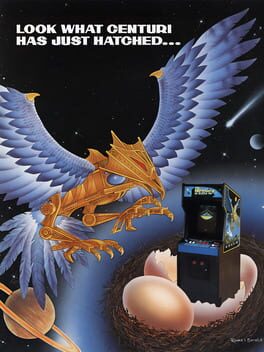
Phoenix
Phoenix — frequently asked questions
- Is Phoenix on Steam?
- No. Phoenix is not distributed on Steam, so there is no Steam Charts or SteamDB player count for it. Its live popularity is tracked here via Twitch viewership instead.
- What platforms is Phoenix on?
- Phoenix is available on Arcade, Atari 2600.
- When did Phoenix release?
- Phoenix was first released on December 1, 1980.
About Phoenix
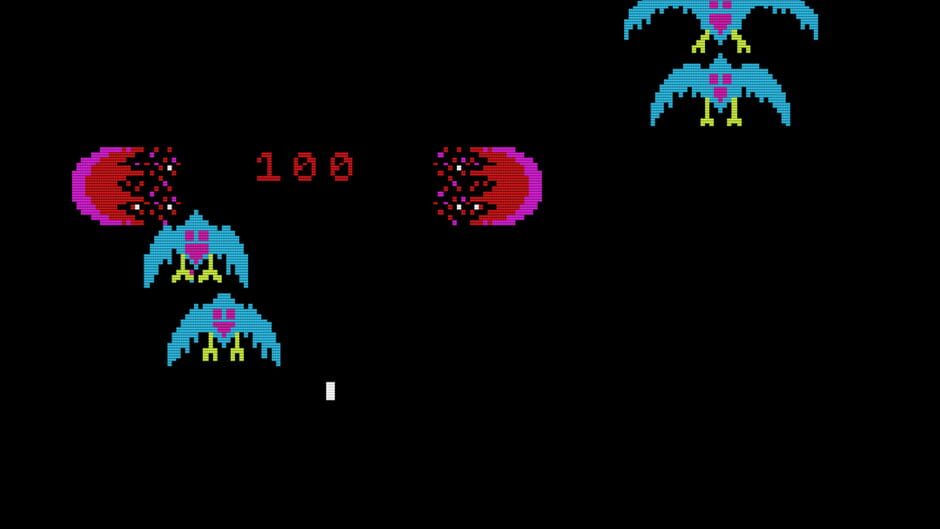
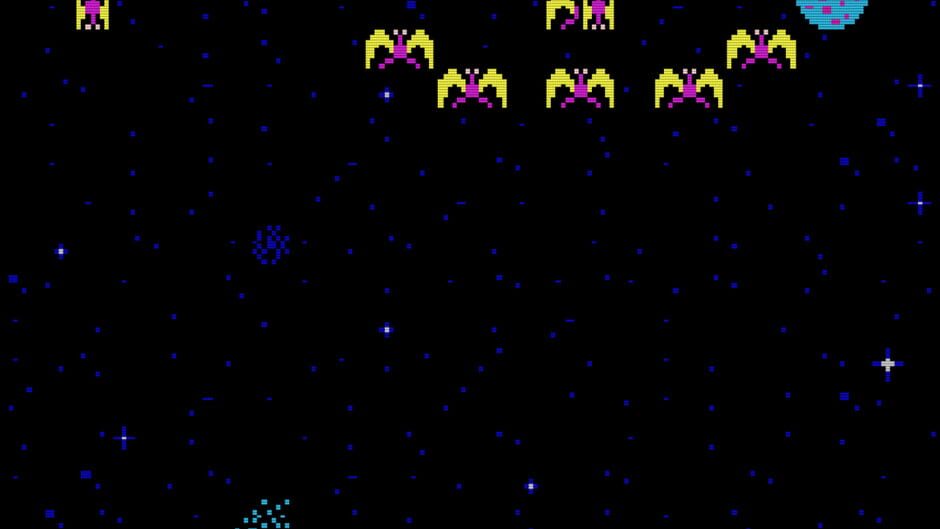
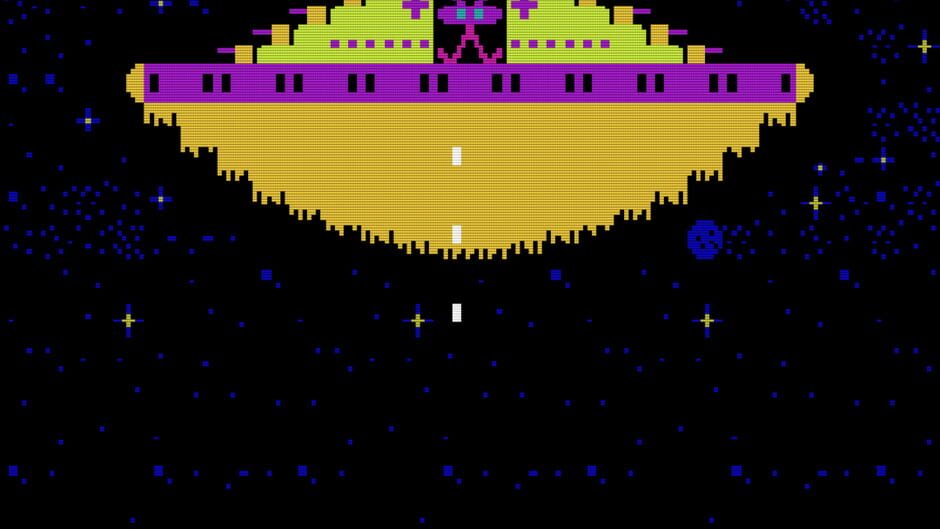
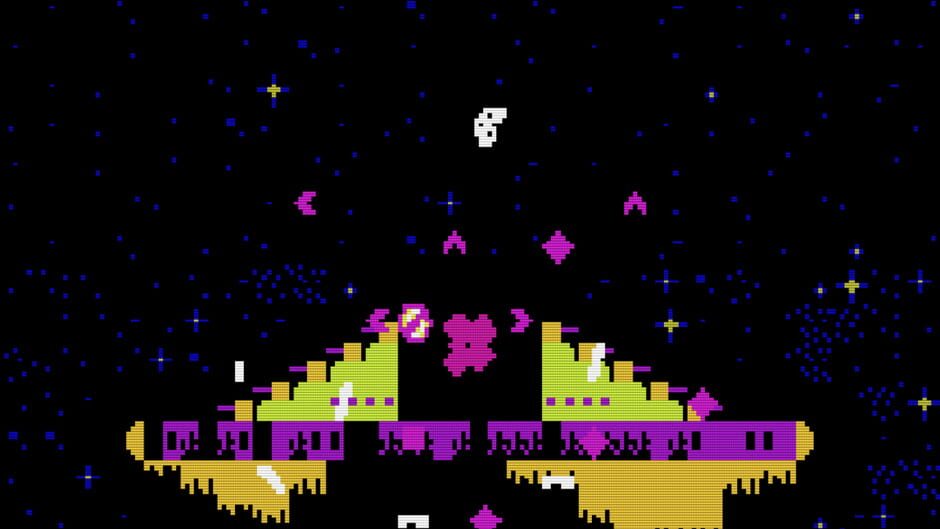
In this shoot 'em up the player has to fight off four assault waves consisting of different enemy types until he reaches a huge UFO. After destroying the protective plates guarding the UFO's pilot in his cockpit the player can kill the pilot. The game starts anew with harder enemies.
Summary via IGDB.
Game details
- Platforms
- Arcade, Atari 2600
- Developer
- Tehkan
- Publisher
- Amstar Electronics
- Game modes
- Single player, Multiplayer
- Themes
- Action, Science fiction
Details via IGDB.
Reception
Every version compared
Prices, contemporary reception and the studio credited for each release
| Platform | Year | Loose | Complete | Sealed | Period reviews | Built by |
|---|---|---|---|---|---|---|
| Atari 2600 | 1983 | $6 | $25 | $31 | 5 reviews | GCC (designed by Mike Feinstein / John Mracek) |
Also released on: Arcade. We haven’t priced or authenticated that version yet.
Collector value & authenticity
Atari 2600 · PriceCharting sold data · Verified 2026-10-06
Release record
| Territory | Label | Catalog # | Rarity |
|---|---|---|---|
| North America Atari | Silver | CX2673 | Common+ |
| Asia Atari | — | — | — |
Also released in South America by Polygram, Tron, Video Game.
Source: Catalog numbers, label types, rarity, controllers and player counts: AtariAge 2600 software database
- Region
- NA+EU
- Released
- 1983
- Controller
- Atari Joystick
- Players
- 1
- Authenticity
- Low
Atari's licensed port of the arcade shooter with an early boss fight, well reviewed and very common.
Phoenix is a 1980 arcade fixed shooter, released by Taito in Japan and Centuri in the United States. Its fifth stage is a fight against a large enemy mothership, which makes it one of the first shooters with a boss battle.
Atari licensed the home rights and released the Atari 2600 version in February 1983. GCC developed it, with Mike Feinstein and John Mracek credited as designers. Atari also sued Imagic over Demon Attack, which it felt was too similar to Phoenix. The 2600 port drew positive reviews in several period publications, though some reviewers felt it fell short of Demon Attack.
How it was made
Developed by GCC for Atari, with Mike Feinstein and John Mracek credited as designers. Released in North America in February 1983, with a PAL release in the first quarter of 1983.
What the press said at the time
| Electronic Fun with Computers & Games | 4/4 | |
| JoyStik | 2/5 | |
| Computer Entertainer Vol. 1 No. 10 | January 1983 | Graphics ★★★★ · Play-Action ★★★½ |
| Electronic Fun with Computers & Games Vol. 1 No. 6 | April 1983 | 4 joysticks |
| JoyStik July 1983 | July 1983 | ★★ |
“Altogether, this is a very good translation of the arcade classic. Recommended”
“Phoenix is a perfect arcade adaptation. The birds look exactly like they do in the arcades and they split apart just as they do in the arcade version.”
“This is the best arcade adaptation Atari has done for the 2600. The sound ef- fects are all there, the force field works and looks just like it does in the arcade game”
“Impressive as Vanguard is, Phoenix somehow manages to be even better. It is perhaps the finest invasion title ever produced for the 2600!”
Computer Entertainer rated graphics first and play action second, from four symbols (excellent) to one (poor) — stars in most years, diamonds in 1986–87 — comparing each game only with other games for the same system. Electronic Fun rated games out of four joysticks. JoyStik’s capsule ratings run from one star to five.
Cartridge & preservation record
Program size 8 KB, measured from the preserved dump.
Catalogue number as recorded for the physical release.
How the Atari 2600 version differs
The 2600 version drops the arcade game's high-score saving, music, star-field background, point numerals and the small birds around the mothership, and it puts fewer enemies on screen.
Programmer John Mracek said the team had to cut more than a third of the code they first wrote to make the game fit the cartridge.
Period critics split on it. JoyStik found the play watered down next to the arcade game and Imagic's Demon Attack, while Electronic Fun called it a near-perfect arcade adaptation.
Also on other platforms
Arcade
| Atari 2600 | GCC (designed by Mike Feinstein / John Mracek) |
Worth knowing
- The lawsuit. Atari sued Imagic over Demon Attack, arguing it was too similar to Phoenix, the arcade game Atari had licensed for the 2600.
- Atari's second Centuri port. Atari Age called Phoenix "the second Atari game based on a hit Centuri coin video game (Vanguard is the other)", due in January 1983.
- 1984 Arkie Award. The 2600 Phoenix received a Certificate of Merit in the Best Science Fiction/Fantasy Videogame category of the 1984 Arkie Awards.
Before you buy
Low risk. This is a common cart, and AtariAge's administrator has said there is no reason for anyone to reproduce it. Loose copies are inexpensive. Boxed copies cost several times as much, so check the box and manual if you are buying complete.
Phoenix screenshots
Watch on YouTube
Listings on The Game Traders
No active listings for Phoenix yet.
Be the first to list →Buyers looking for this
No active want ads for Phoenix yet.
Post a want ad →Upcoming Phoenix events
More games like Phoenix
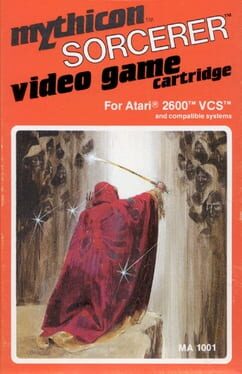
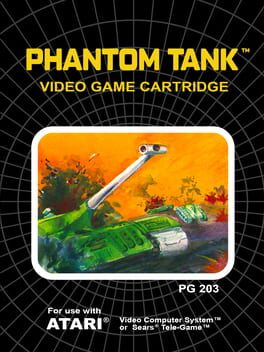

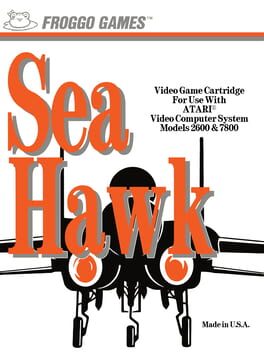
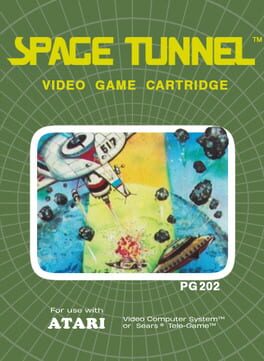

Latest news mentioning Phoenix
- Phoenix Cyclops Leads Marvel Tōkon’s First-Year Support PlanThe Escapist · Oct 12
- Marvel Tōkon: Fighting Souls reveals its Year 1 DLC roster, starting with Phoenix Cyclops on 2nd NovemberEurogamer · Oct 11
- Venom, Thor, X-Men's Jubilee and the "Phoenix version of Cyclops" coming to Marvel Tokon Year OneSteam News · Oct 11
- Venom, Thor, X-Men's Jubilee and the "Phoenix version of Cyclops" coming to Marvel Tokon Year OneGamesRadar · Oct 11
- Marvel Officially Unveils Phoenix's ReplacementSteam News · Oct 10
- Zenless Zone Zero Version 3.3 Launches October 21 With Phoenix, Severian, and Mech CombatNoisy Pixel · Oct 9
- Phoenix Cyclops gets gameplay reveal & November release date in Marvel Tokon: Fighting SoulsShacknews · Oct 8
- MARVEL Tōkon: Fighting Souls Phoenix Cyclops Gameplay Reveals Dark Phoenix Transformation Ahead of November 2 DLCNoisy Pixel · Oct 7
- Marvel Tōkon: Fighting Souls Adds Phoenix Cyclops on November 2, and He Has a Dark Phoenix FormGamingBolt · Oct 7
- MARVEL Tokon: Fighting Souls – Phoenix Cyclops Gameplay Reveal TrailerGameSpot · Oct 7