Super Breakout
Super Breakout — frequently asked questions
- Is Super Breakout on Steam?
- No. Super Breakout is not distributed on Steam, so there is no Steam Charts or SteamDB player count for it. Its live popularity is tracked here via Twitch viewership instead.
- What platforms is Super Breakout on?
- Super Breakout is available on Arcade, Atari 2600, Atari 8-bit, Atari 5200, Atari ST, Game Boy, Game Boy Color.
- When did Super Breakout release?
- Super Breakout was first released on September 21, 1978.
About Super Breakout
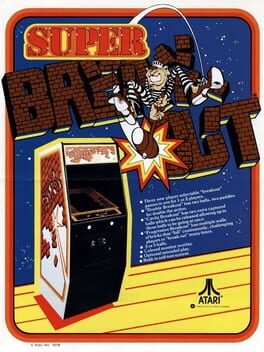
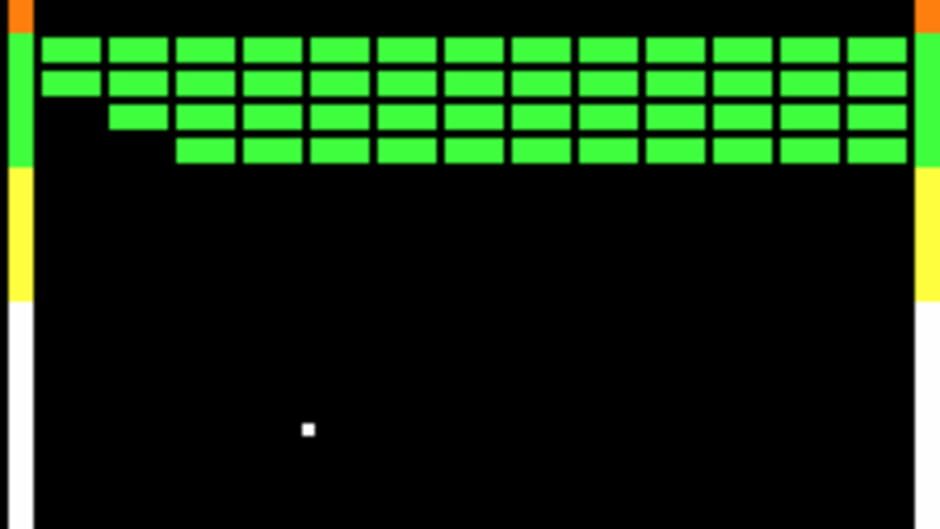
Super Breakout is an arcade game released by Atari in 1978. It utilizes a Motorola M6502 (running up at 375 KHz) and, as the name suggests, is the sequel to Breakout, which was released two years earlier. There are three different modes to choose from: Double Breakout, the playfield for which contains in fifty-two orange blocks (5-14 points), fifty-two green blocks (1-6 points), two paddles and two balls, Cavity Breakout, which contains in forty-four orange blocks (7-21 points), and fifty-two green blocks (1-9 points), one paddle, and three balls (the second and third of which have to be freed before they come into play) and Progressive Breakout which contains fifty-two blue blocks (7 points) and fifty-two green blocks (5 points), one paddle, and one ball - and the blocks shall be lowered down towards the paddle, at a rate determined by the number of times the ball lands on your paddle, but as the ball destroys them, additional rows of blocks shall appear at the top of the screen and be lowered down towards the paddle at an increasing rate. This is also the only mode for which it's possible for a player to receive an infinite amount of points by playing, but the score display shall roll over at 10000.
Summary via IGDB.
Super Breakout on Wikipedia
Super Breakout is a 1978 action video game developed and published by Atari, Inc. for arcades. It was released by Namco and Esco Trading in Japan. The game, originally designed by Ed Rotberg and Ed Logg, is a sequel to Atari's 1976 game Breakout, and uses the same mechanics while also allowing the selection of three distinct game modes, two of which involve multiple, simultaneous balls in play. As with its predecessor, the arcade version of Super Breakout is displayed in black and white, with monitor overlays to add color.
Source: Wikipedia (text under CC BY-SA 4.0).
Game details
- Platforms
- Arcade, Atari 2600, Atari 8-bit, Atari 5200, Atari ST, Game Boy, Game Boy Color
- Developer
- Atari
- Publisher
- René Pierre
- Game modes
- Single player, Multiplayer
Details via IGDB.
Reception
Every version compared
Prices, contemporary reception and the studio credited for each release
| Platform | Year | Loose | Complete | Sealed | Built by |
|---|---|---|---|---|---|
| Atari 2600 | 1981 | $8 | $15 | $28 | Atari (designed by Nick Turner) |
Also released on: Arcade · Atari 8-bit · Atari 5200 · Atari ST · Game Boy · Game Boy Color. We haven’t priced or authenticated those versions yet.
Collector value & authenticity
Atari 2600 · PriceCharting sold data · Verified 2026-10-06
Label variants
| Release | Loose | Complete | Sealed |
|---|---|---|---|
| Tele-Games | $10 | $25 | $100 |
Release record
| Territory | Label | Catalog # | Rarity |
|---|---|---|---|
| North America Atari | Picture | CX2608 | Common+ |
| North America Sears | Text | 49-75165 | Scarce |
| Asia Atari | — | — | — |
Source: Catalog numbers, label types, rarity, controllers and player counts: AtariAge 2600 software database
- Region
- NA+EU
- Released
- 1981
- Controller
- Atari Paddles
- Players
- 1 - 2
- Authenticity
- Low
Atari's color home version of its multi-ball Breakout sequel, common, cheap and on Atari 50.
Super Breakout was a 1978 Atari arcade sequel to Breakout, designed by Ed Rotberg and Ed Logg. It keeps the brick-breaking mechanics and adds three game modes, two of them with several balls in play at once. Atari published color home versions for most of its systems.
The 2600 version came out in 1981, credited to Nick Turner, with Carol Shaw also credited on programming. It is on Atari 50: The Anniversary Celebration.
How it was made
The 2600 version is credited to Nick Turner, with Carol Shaw also credited on programming. Released by Atari in 1981, also sold by Sears, with a PAL release the same year.
What the press said at the time
“with the VCS version of Super Breakout we have a cartridge that shines far brighter than either of its predecessors … If this one doesn't get you, you can't be got.”
“Super Breakout for the VCS shows skill, imagination and loving care in its design. Even owners of Breakout should seriously consider picking up this videogame wunderkind.”
“Super-Breakout (for the Atari VCS) is, on the other hand, terrific. Those who adored coin-op "Super-Breakout" and the Atari 400/800 editions will be pleased to hear that the VCS cartridge is superior to all previous versions.”
“By adding a few game elements and changing the angle of play, Atari has transformed the arcade re- lic — Pong — into a reasonably challenging reaction/coordination game — Super Breakout.”
Cartridge & preservation record
Program size 4 KB, measured from the preserved dump.
Catalogue number as recorded for the physical release.
How the Atari 2600 version differs
The VCS port first came out in October 1981 as a Sears-exclusive Tele-Games release; an Atari-branded cartridge followed in January 1982.
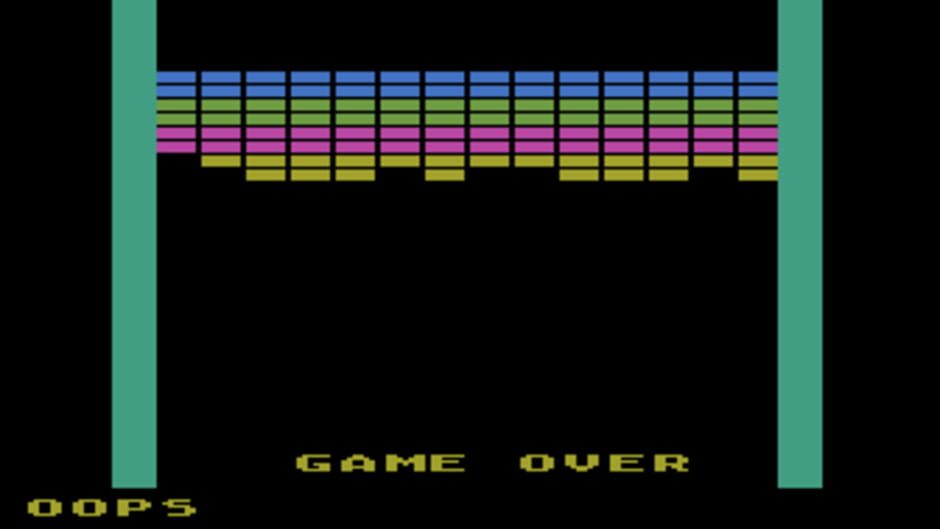
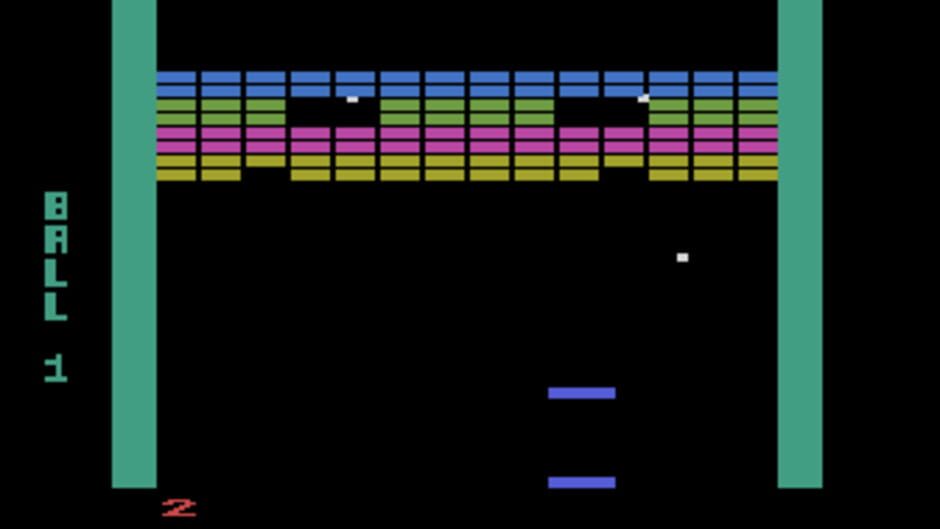
Unlike the black-and-white arcade game, the 2600 version is in color, and it adds two easier "Children's Version" games.
Also on other platforms
Arcade · Atari 8-bit · Atari 5200 · Atari ST · Game Boy · Game Boy Color
| Atari 2600 | Atari (designed by Nick Turner) |
| Atari ST | Paradox |
| Game Boy | Majesco (publisher) |
- Atari 8-bit. The 1979 Atari 8-bit cartridge supported up to eight players taking turns.
- Atari 5200. The 5200 version was the console's pack-in game and used its analog joysticks instead of paddle controllers.
- Atari ST. The Atari ST version, like the Game Boy version, has sculpted bricks in the style of Arkanoid.
Worth knowing
- 1983 Arkie Award. Electronic Games listed the VCS Super Breakout among the honorable mentions in its 1983 Arkie Awards.
- Atari's release month. Atari's own "ATARI '82 IN REVIEW" checklist in Atari Age dates its 2600 release to January 1982.
Before you buy
Low risk; this is a common Atari cart. Two labels are priced: the standard Atari cart and the Sears Tele-Games cart. Both are inexpensive loose, but a sealed Tele-Games copy costs far more than a sealed standard one, so check which label a sealed listing shows.
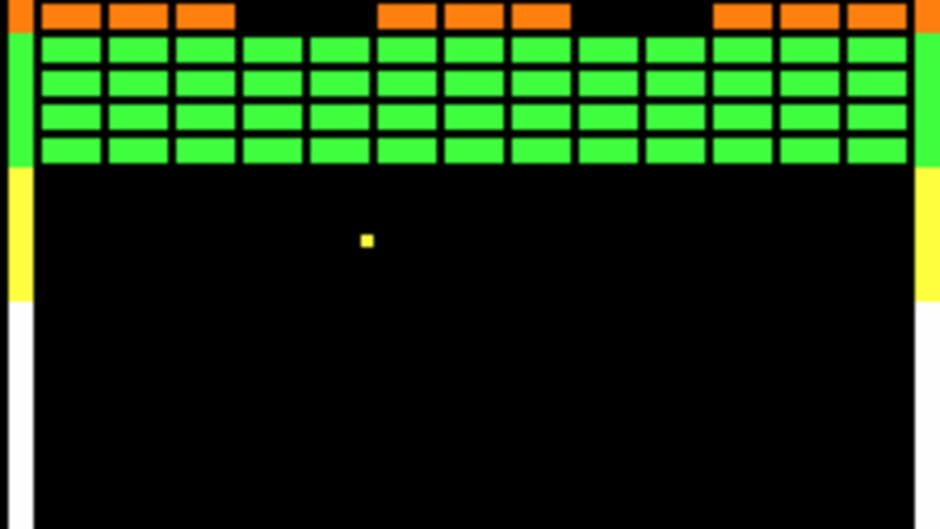
Super Breakout screenshots
Watch on YouTube
Listings on The Game Traders
No active listings for Super Breakout yet.
Be the first to list →Buyers looking for this
No active want ads for Super Breakout yet.
Post a want ad →Popular games right now






Latest news mentioning Super Breakout
No recent news mentions in our 30-day feed window.