Donkey Kong
Donkey Kong — frequently asked questions
- Is Donkey Kong on Steam?
- No. Donkey Kong is not distributed on Steam, so there is no Steam Charts or SteamDB player count for it. Its live popularity is tracked here via Twitch viewership instead.
- What platforms is Donkey Kong on?
- Donkey Kong is available on Arcade, Game & Watch, Apple II, ColecoVision, Commodore C64/128/MAX, Intellivision, MSX, Web browser, Nintendo 3DS, Game Boy, Wii, DOS, Texas Instruments TI-99, Nintendo Switch, Family Computer Disk System, Family Computer, Wii U, Nintendo Entertainment System, Commodore VIC-20, Atari 8-bit, Amstrad CPC, BBC Microcomputer System, Handheld Electronic LCD, Atari 2600, ZX Spectrum, Coleco Mini-Arcade, NES, TI-99/4A, IBM PC, VIC-20, Commodore 64, Famicom Disk System, Atari 7800, Nintendo e-Reader, Game Boy Advance.
- When did Donkey Kong release?
- Donkey Kong was first released on July 15, 1983.
About Donkey Kong
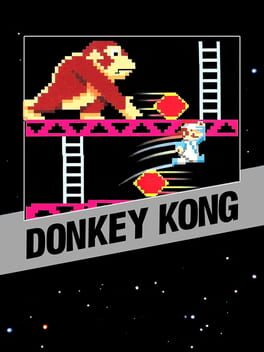
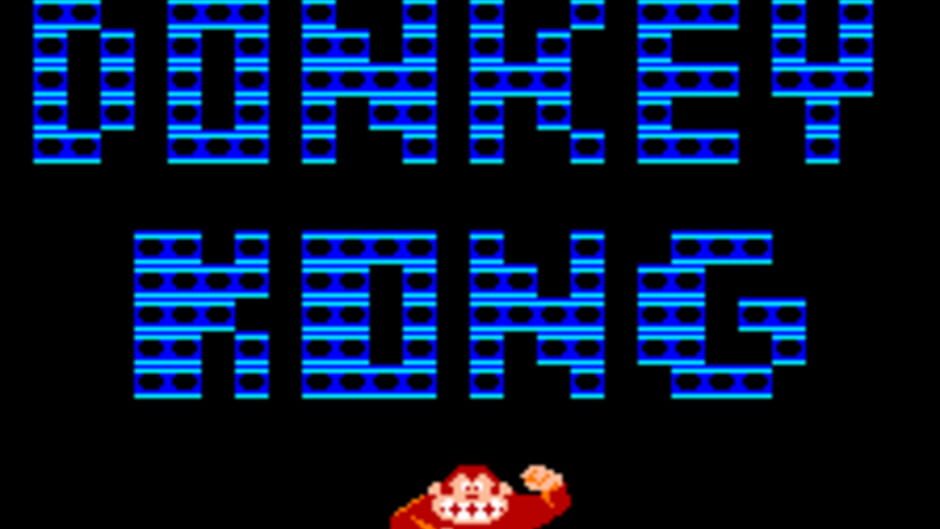
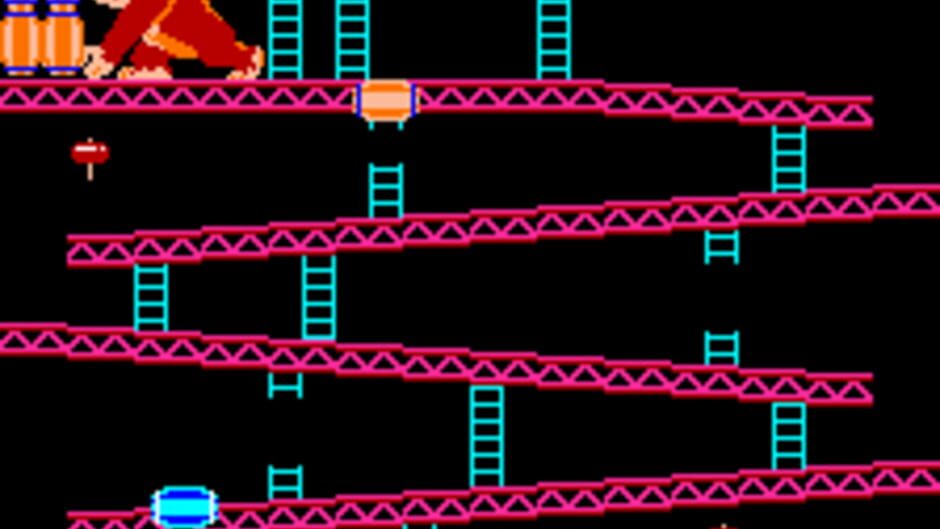
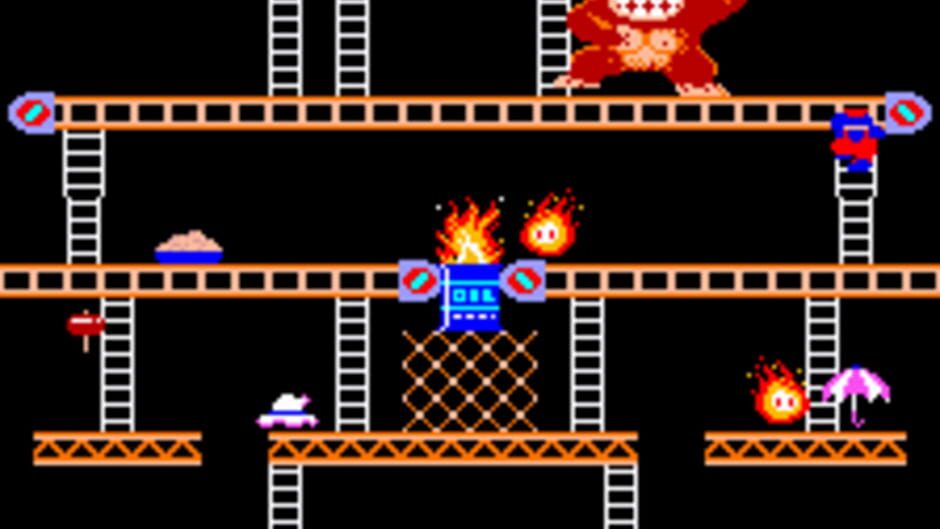
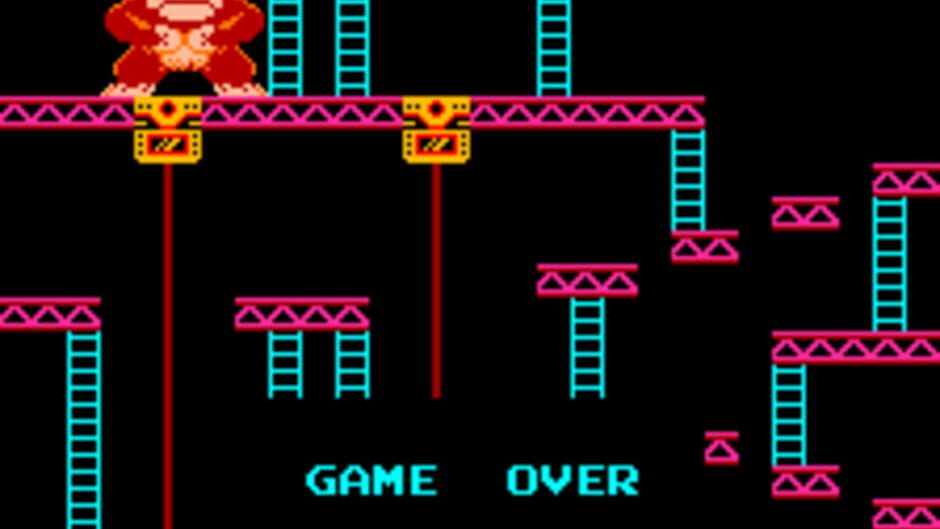
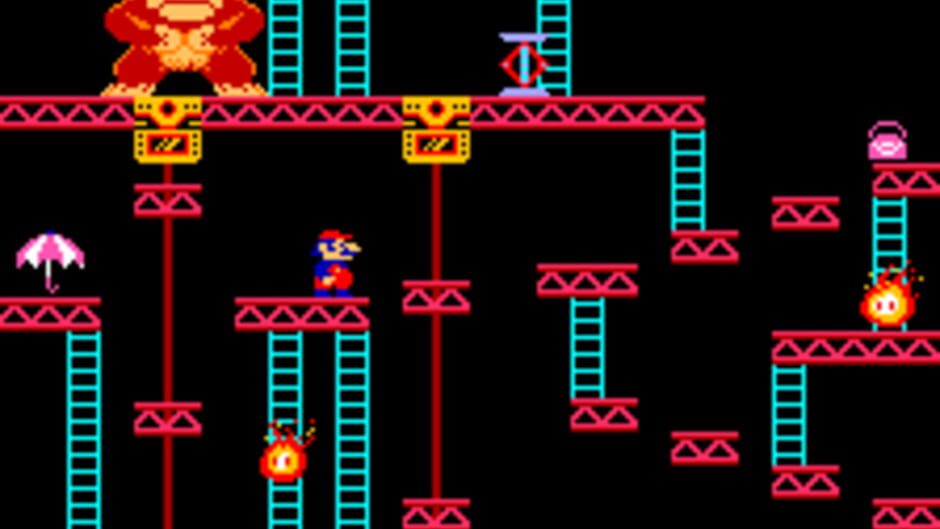
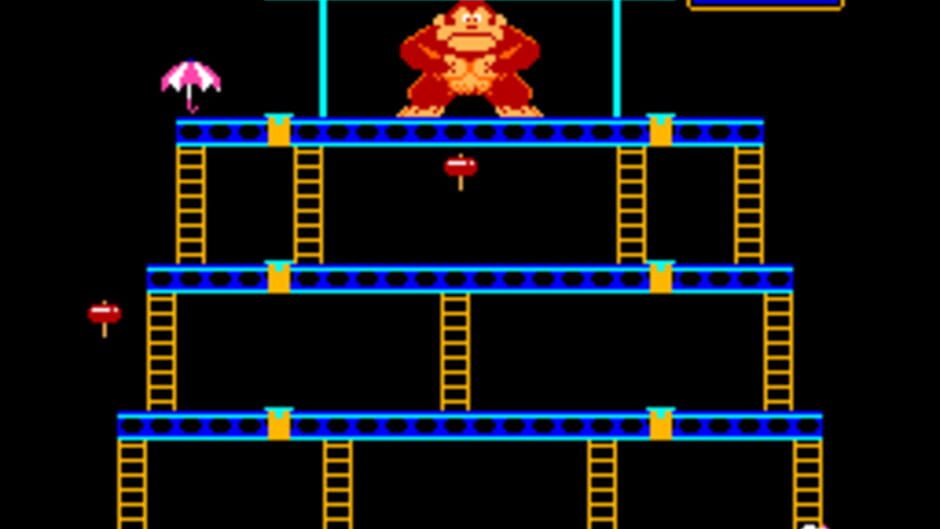
Donkey Kong has kidnapped Pauline, and it is up to Mario, the fearless carpenter, to come to her rescue. Throwing fate to the wind, Mario tries desperately to climb the labyrinth of structural beams from the top of which Donkey Kong taunts him. Help our hero ascend the metal structure by dodging an assortment of fireballs, steel beams, and exploding barrels the angry ape hurls at him. Prepare yourself for a never-ending adventure as Donkey Kong takes Pauline away to the next level every time Mario gets to the top. Based on the arcade game of the same name, this classic will keep hardcore and casual gamers entertained for hours. This Donkey Kong port differs from the arcade game, having only three stages instead of four.
Summary via IGDB.
Donkey Kong on Wikipedia
Donkey Kong is a video game series and media franchise created by the Japanese game designer Shigeru Miyamoto for Nintendo. It follows the adventures of Donkey Kong, a large, powerful gorilla, and other members of the Kong family of simians. Donkey Kong games include the original arcade game trilogy by Nintendo R&D1; the Donkey Kong Country series by Rare and Retro Studios; and the Mario vs. Donkey Kong series by Nintendo Software Technology. Various studios have developed spin-offs in genres such as edutainment, puzzle, racing, and rhythm. The franchise also incorporates animation, printed media, theme parks, and merchandise.
Source: Wikipedia (text under CC BY-SA 4.0).
Game details
- Platforms
- Arcade, Game & Watch, Apple II, ColecoVision, Commodore C64/128/MAX, Intellivision, MSX, Web browser, Nintendo 3DS, Game Boy, Wii, DOS, Texas Instruments TI-99, Nintendo Switch, Family Computer Disk System, Family Computer, Wii U, Nintendo Entertainment System, Commodore VIC-20, Atari 8-bit, Amstrad CPC, BBC Microcomputer System, Handheld Electronic LCD, Atari 2600, ZX Spectrum, Coleco Mini-Arcade, NES, TI-99/4A, IBM PC, VIC-20, Commodore 64, Famicom Disk System, Atari 7800, Nintendo e-Reader, Game Boy Advance
- Developer
- Nintendo
- Publisher
- Nintendo
- ESRB rating
- E
- Game modes
- Single player
- Themes
- Action
- Series
- Donkey Kong
Details via IGDB.
Reception
Every version compared
Prices, contemporary reception and the studio credited for each release
| Platform | Year | Loose | Complete | Sealed | Period reviews | Built by |
|---|---|---|---|---|---|---|
| Atari 2600 | 1982 | $9 | $28 | $122 | 3 reviews | Imaginative Systems Software (designed by Garry Kitchen) |
Also released on: Arcade · Game & Watch · Apple II · ColecoVision · Commodore C64/128/MAX · Intellivision · MSX · Web browser · Nintendo 3DS · Game Boy · Wii · DOS · Texas Instruments TI-99 · Nintendo Switch · Family Computer Disk System · Family Computer · Wii U · Nintendo Entertainment System · Commodore VIC-20 · Atari 8-bit · Amstrad CPC · BBC Microcomputer System · Handheld Electronic LCD · ZX Spectrum · Coleco Mini-Arcade · NES · TI-99/4A · IBM PC · VIC-20 · Commodore 64 · Famicom Disk System · Atari 7800 · Nintendo e-Reader · Game Boy Advance. We haven’t priced or authenticated those versions yet.
Collector value & authenticity
Atari 2600 · PriceCharting sold data · Verified 2026-10-06
Label variants
| Release | Loose | Complete | Sealed |
|---|---|---|---|
| Coleco | $8 | $33 | $175 |
Release record
| Territory | Label | Catalog # | Rarity |
|---|---|---|---|
| North America Atari | Red | CX26143 | Scarce |
| North America Coleco | Standard | 2451 | Common |
| North America Unknown | Taiwan Cooper | — | — |
| North America Unknown | Beagle Brothers | — | — |
| Europe CBS Electronics | UK White | — | — |
| Europe CBS Electronics | UK Color | — | — |
| Europe Quelle | Short | — | — |
| Europe Unknown | Pet Boat | — | — |
| Europe Unknown | V Case | — | — |
| Australia HES | — | — | — |
Also released in South America by CCE, Dynacom, Supergame, Play Video, Star Game.
Source: Catalog numbers, label types, rarity, controllers and player counts: AtariAge 2600 software database
- Region
- NA+EU
- Released
- 1982
- Controller
- Atari Joystick
- Players
- 1
- Authenticity
- Low
Coleco's licensed 2600 Donkey Kong, a historically important port that has a poor reputation and stays cheap.
Nintendo's 1981 arcade Donkey Kong is the game that introduced Mario and helped define the platform genre. Coleco held the home rights, and its Atari 2600 cartridge came out in July 1982. Garry Kitchen designed it, with Imaginative Systems Software credited as developer.
Squeezing a four-screen arcade game into the 2600 cost a lot, and the cartridge has never been well regarded next to Coleco's own ColecoVision version: Computer and Video Games scored the VCS version 32%. Atari Corp. is also listed as a later publisher of the 2600 cartridge.
How it was made
Designed by Garry Kitchen and developed by Imaginative Systems Software under Coleco's license. Released in North America in July 1982, with a PAL release in 1983.
What the press said at the time
| Computer Entertainer Vol. 1 No. 6 | September 1982 | Graphics ★★★★ · Play-Action ★★★½ |
| Arcade Express arcade_express_v1n5 | October 10, 1982 | 8/10 |
| JoyStik January 1983 | January 1983 | ★ |
“Both play very much like the arcade game (A/C version less so than the Coleco), and we found the graphics beautifully detailed on both versions.”
“The limitations of the VCS made it impossible to reproduce the elevator sequences, but the two screens in the cart are very good.”
“The conveyer belt and elevator screen were excluded in the VCS version, but the total effect is enhanced by detailed graphics which are, by VCS standards, above average.”
“This two-screen version of the Nintendo coin-op captures much of the flavor of this climbing game.”
Computer Entertainer rated graphics first and play action second, from four symbols (excellent) to one (poor) — stars in most years, diamonds in 1986–87 — comparing each game only with other games for the same system. JoyStik’s capsule ratings run from one star to five.
Cartridge & preservation record
Program size 4 KB, measured from the preserved dump.
Catalogue number as recorded for the physical release.
How the Atari 2600 version differs
Coleco's 2600 port has only two of the arcade game's four levels. Garry Kitchen had three or four months to write it, with little help from Nintendo or Coleco, and the cartridge's limited memory forced the cut.
Creative Computing's Danny Goodman ranked Coleco's three console versions with ColecoVision first, the Atari 2600 second and the Intellivision last.
The 2600 version sold 4 million units in 1982, making it one of the best-selling 2600 games.
Also on other platforms
Arcade · Game & Watch · ColecoVision · Intellivision · Coleco Mini-Arcade · Atari 8-bit · NES · TI-99/4A · IBM PC · VIC-20 · Commodore 64 · MSX · ZX Spectrum · Apple II · Amstrad CPC · Famicom Disk System · Atari 7800 · Nintendo e-Reader · Game Boy Advance
| Atari 2600 | Imaginative Systems Software (designed by Garry Kitchen) |
| NES | Nintendo Research & Development 2 |
| Atari 8-bit | Landon Dyer |
- ColecoVision. Bundled with every ColecoVision, this version was praised as the most faithful adaptation of the arcade game; Arcade Express scored it 9 out of 10.
- NES. The Famicom/NES version leaves out the cement factory stage and most of the cutscenes because early cartridges lacked the memory, and adds a new title-screen song.
- Coleco Adam. Coleco showed an Adam computer port at the 1983 Consumer Electronics Show, but withdrew it unpublished after Atari protested that it violated Atari's home-computer license.
Worth knowing
- Recalled in 1982. Arcade Express reported that Coleco's VCS Donkey Kong "has proven to be unplayable on Model #2600 of the VCS", the older consoles with the difficulty switches on the front, so "Coleco decided to recall all "Donkey Kong" carts from distribution." The recall was expected to "affect tens of thousands of game carts".
- Reader poll, 1983. Donkey Kong for the VCS placed #3 among the most popular cartridges in Electronic Games' March 1983 reader poll.
- 1983 Arkie Award. Electronic Games listed Coleco's VCS Donkey Kong among the honorable mentions in its 1983 Arkie Awards.
Before you buy
Low risk; this is a common cart with no documented reproductions. PriceCharting lists a Coleco-labeled copy separately from the standard entry, and both are cheap loose. Sealed copies of either cost far more than loose ones. Check the publisher name on the label and box so you know which release you are buying, and make sure it is the 2600 cartridge rather than the ColecoVision or Intellivision version.
Donkey Kong screenshots
Watch on YouTube
Listings on The Game Traders
No active listings for Donkey Kong yet.
Be the first to list →Buyers looking for this
No active want ads for Donkey Kong yet.
Post a want ad →Popular games right now





Latest news mentioning Donkey Kong
- Original Nintendo Donkey Kong Artwork Goes to Auction at a Price That'll Make You Jump, ManTime Extension · Oct 15
- A former Nintendo employee is auctioning a wealth of classic items, including the original Donkey Kong artVGC · Oct 15
- Interview: "It Is Our Gift To Game Boy & Donkey Kong Fans" - Meet The ROM Hacker Who's Spent The Past Four Years Remastering Donkey Kong '94Time Extension · Oct 2
- Surprise! Donkey Kong Bananza's Limited-Time DLC Events Are BackNintendo Life · Oct 1
- Donkey Kong '94's Game Boy Color Fan Remaster Just Hit A Major Milestone, But Don't Go Bananas Just YetTime Extension · Sep 28
- New Switch 2 Co-Op Game Is Basically Donkey Kong CountryGame Rant · Sep 19
- Classic SNES Donkey Kong Country Trilogy Gets Unofficial PC PortsDSO Gaming · Sep 7
- Unofficial PC Version of Donkey Kong 64 ReleasedDSO Gaming · Aug 30
- Donkey Kong Bananza sound designer talks about the work that went into DK’s transformationNintendo Everything · Aug 30
- Relive Nintendo's wild Donkey Kong court case from 1983Polygon · Aug 30