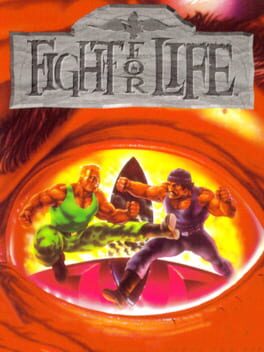
Fight for Life
Fight for Life — frequently asked questions
- Is Fight for Life on Steam?
- No. Fight for Life is not distributed on Steam, so there is no Steam Charts or SteamDB player count for it. Its live popularity is tracked here via Twitch viewership instead.
- What platforms is Fight for Life on?
- Fight for Life is available on Atari Jaguar.
- When did Fight for Life release?
- Fight for Life was first released on January 15, 1996.
About Fight for Life
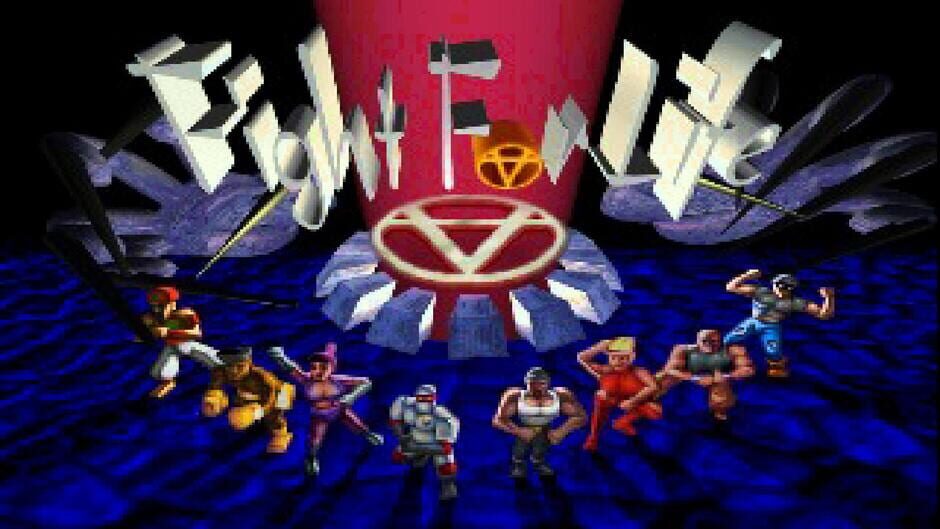
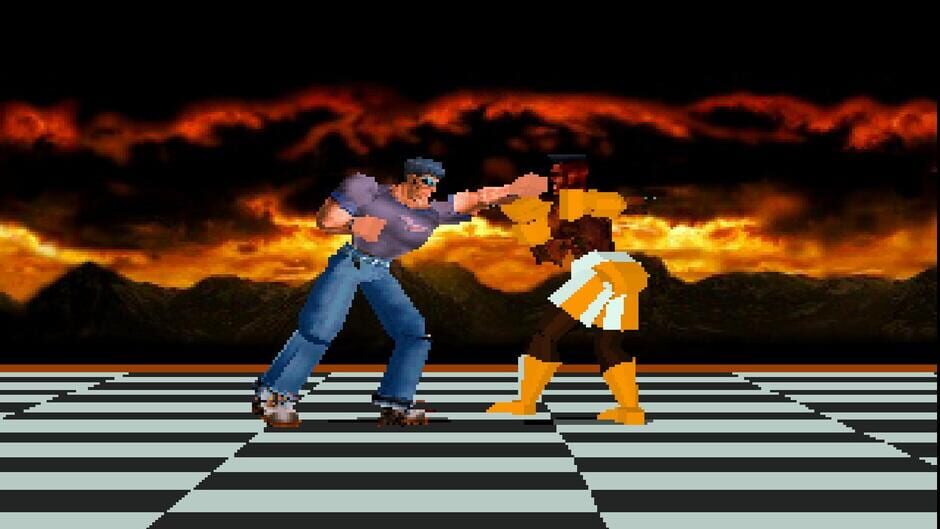
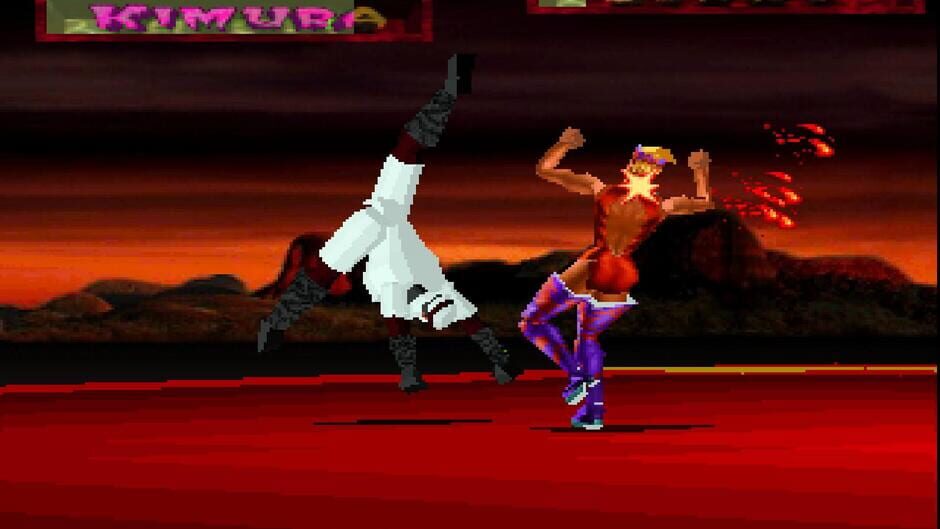
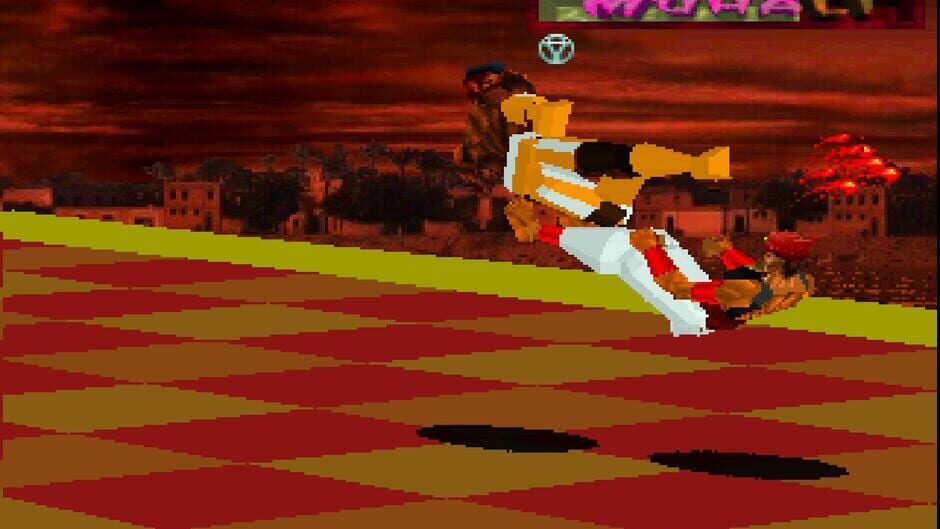
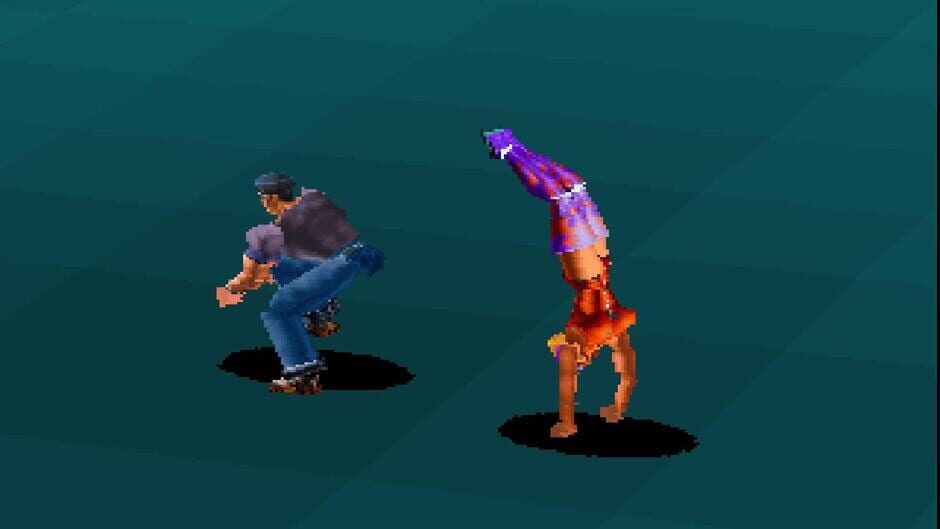
Life in the afterlife can be a nightmare for anybody -- especially if real life was a mess. In the Spectre Zone, eight people compete in the annual Hell Fighting Tournament for the amusement of the Gatekeeper. The prize is a second chance at life! Defeat each opponent and steal two of their special fighting moves to prepare for the final challenge -- a battle against the son of the devil himself. Show no mercy. There will be only one victor, only one new life... it must be yours!
Summary via IGDB.
Game details
- Platforms
- Atari Jaguar
- Developer
- Atari Corporation
- Publisher
- Atari Corporation
Details via IGDB.
Collector value & authenticity
Atari Jaguar · PriceCharting sold data · Verified 2026-07-24
- Region
- NA+EU
- Released
- 1996
- Authenticity
- Med
The last game Atari ever made — shipped unfinished, over an unpaid invoice. A tombstone you can play.
Atari hired François Yves Bertrand, who had worked on Sega AM2's Virtua Fighter, to build a 3D fighter — and for most of the project he was the only programmer on it. The premise is genuinely good: eight dead fighters compete in purgatory for a second chance at life, and you steal moves from defeated opponents to build a composite fighter, an idea later fighting games reinvented independently.
Bertrand has said he finished the game in December 1995, that Atari stopped paying him, and that he withheld the final build pending payment — so Atari shipped an earlier, roughly 60%-complete build anyway, in January 1996. Six months later the company merged into JT Storage and the Atari that built the 2600 ceased to exist. It plays poorly — slow, unreliable collision, menus that look unfinished because they are — but that transaction is the Jaguar's entire ending in miniature.
Cartridge & preservation record
Cartridge ROM capacity 32 megabit (4 MB), measured from the preserved cartridge image.
Surviving pre-release builds
| 1995-03-22 | Beta | 32 Mbit |
| 1995-09-07 | Beta | 32 Mbit |
Cartridge data from the No-Intro preservation database (metadata only — names, sizes and checksums, no game data).
Worth knowing
- Atari hired a Virtua Fighter programmer away from Sega AM2. In 1994 Atari recruited François Bertrand out of Sega's AM2, where he had built the camera and collision systems for the original Virtua Fighter — the game that defined the genre this one was chasing. He was the lead programmer on Fight for Life, and also the only one. Atari's marketing leaned on his Virtua Fighter credit heavily, which is a fair summary of the whole strategy: buy the expertise, and hope one person is enough.
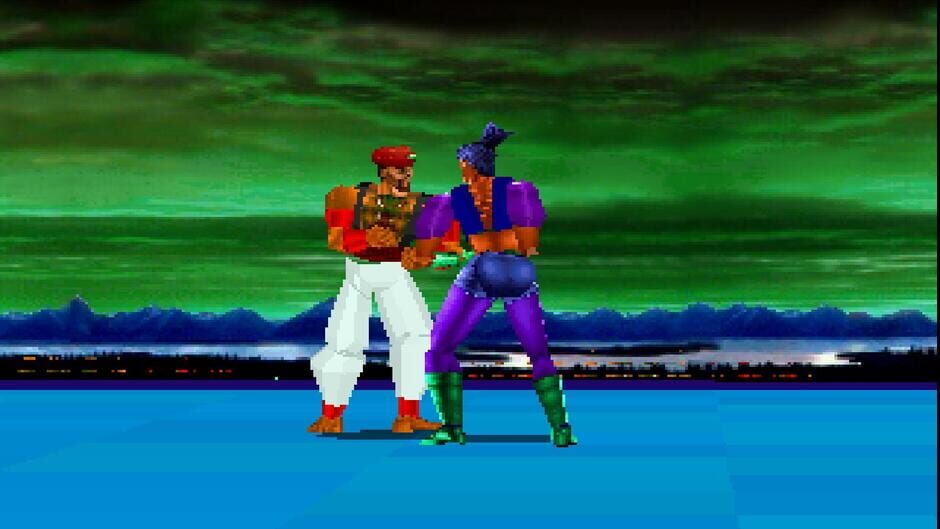
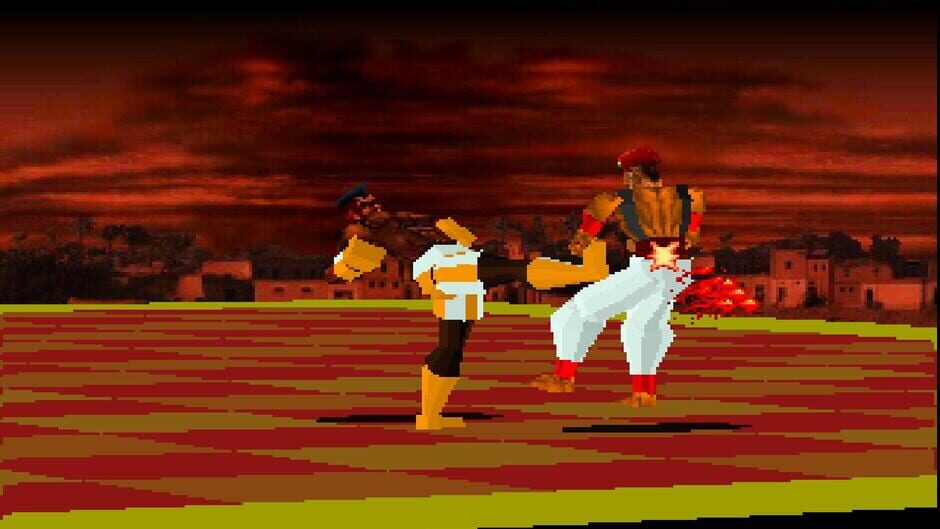
- The last game Atari itself published for the Jaguar. Released 15 January 1996, it is the final first-party Jaguar title and the platform's only 3D polygonal fighting game. It carries two ideas the genre had not settled on: an optional rolling camera, and a special-move system built for single-player use. Everything Atari-licensed that followed came from third parties, ending with Telegames' Worms in May 1998.
Before you buy
Scarcer than the 1994 titles — a January 1996 release into a collapsing distribution channel — and collected for its position in history, not its quality. Medium counterfeit risk. Use the ProController; the game was designed for it. Any copy claiming to be Bertrand's more-complete build requires extraordinary evidence.
Authenticity & condition — Atari Jaguar
Specific to the format this title shipped in
Buying a Jaguar cartridge
Cartridges are the durable half of this library — the risk is provenance, not decay. The platform has an active post-commercial scene, so the question is usually which era a cartridge is from rather than whether it still works.
- Ask for a photo of the label edge and the cartridge back. Reproductions are usually printed on adhesive photo stock and sit proud of the label recess.
- Donor shells are the common trick: sanding marks on the back, or adhesive ghosting where an older label was lifted, are the strongest signals.
- Cartridges are region-free on this platform, so a cheaper PAL copy plays on a North American console — a price difference is not evidence of a fake.
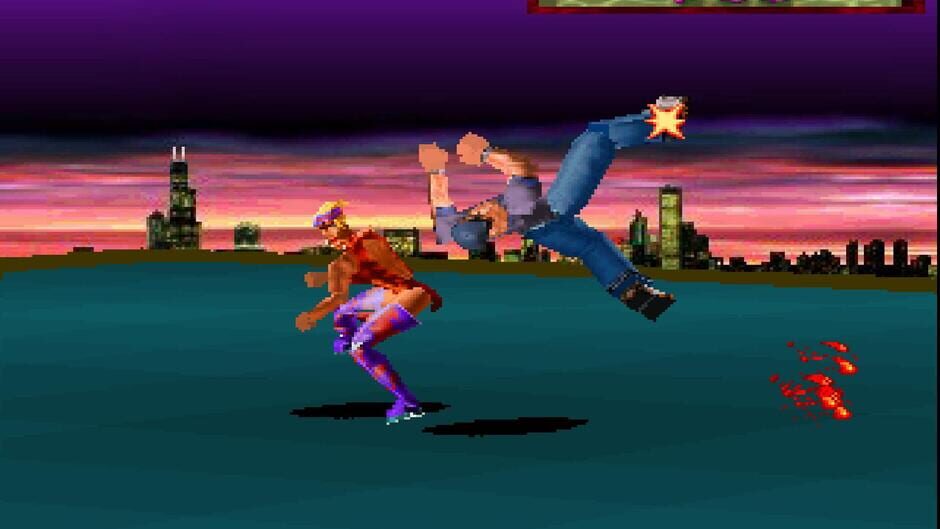
Fight for Life screenshots
Watch on YouTube
Listings on The Game Traders
No active listings for Fight for Life yet.
Be the first to list →Buyers looking for this
No active want ads for Fight for Life yet.
Post a want ad →Popular games right now





Latest news mentioning Fight for Life
No recent news mentions in our 30-day feed window.