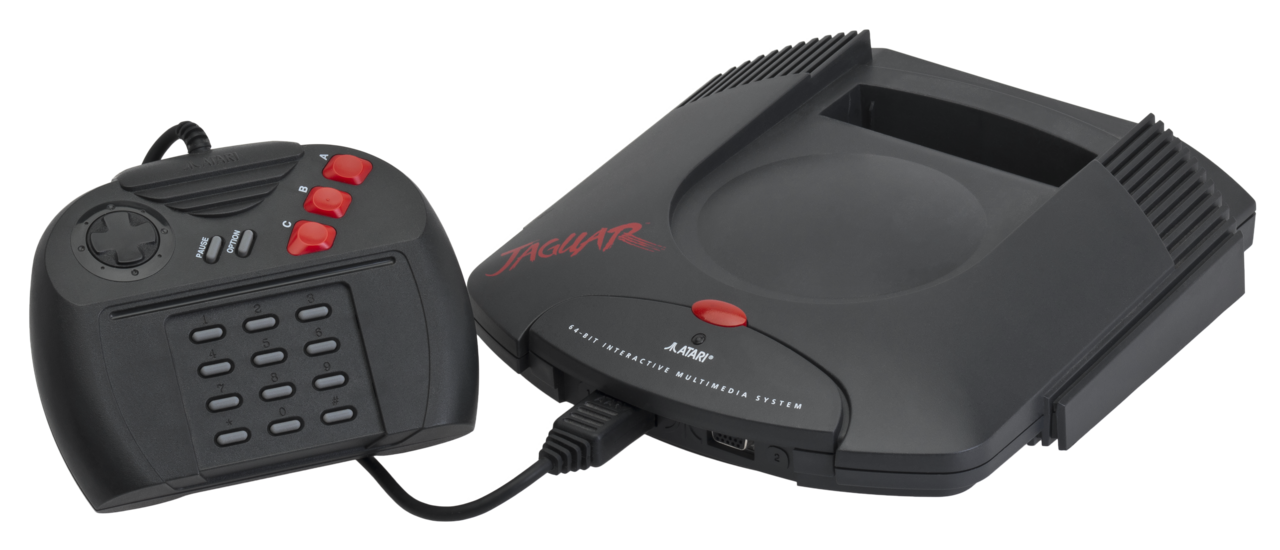
Atari Jaguar
- Manufacturer
- Atari
- Production
- 1993–1996
- Generation
- Gen 5
- Type
- Home
- Launch price
- $250
- Media
- Cartridge
- Units sold
- 125,000
About Atari Jaguar
The Atari Jaguar launched in November 1993 as the first console of the fifth generation, and as the last piece of hardware Atari ever built. Atari sold it on a single number: 64 bits, at a time when the SNES and Genesis were 16. The claim was aggressive marketing more than engineering fact — the Jaguar ran a 16/32-bit Motorola 68000 alongside two custom 32-bit RISC chips named Tom and Jerry, with a 64-bit path only on parts of the graphics pipeline. Critics attacked the branding, developers struggled with the multi-chip architecture and thin development tools, and third parties largely stayed away. The result was 63 licensed games across the cartridge and Jaguar CD libraries combined. Roughly 225,000 consoles were produced and only about 125,000 sold — around 100,000 sat unsold at the end of 1995 and were liquidated through 1996, after which Atari merged into JT Storage and left the hardware business permanently. The Nintendo Virtual Boy, a byword for commercial failure, outsold it. What survives is a genuinely strange, genuinely interesting machine. Tempest 2000 is a masterpiece by any standard. Alien vs. Predator was doing atmospheric first-person horror before that was a category, and by the best available figures roughly two of every three Jaguar owners bought it. Iron Soldier still holds up. The 17-button controller, the toilet-seat CD add-on, and the "Do the Math" campaign have become shorthand for 90s console hubris — which is exactly why the Jaguar has one of the most active homebrew scenes and most loyal collector bases of any commercial failure in gaming.
Library & collector facts
63licensed games
- North America: 62
- PAL: 62
What an Atari Jaguar costs right now
PriceCharting sold data · Verified 2026-07-24
Console — North America (NTSC)
- Loose
- $519
- Complete in box
- $700
- Sealed / new
- $1,350
Accessories
| Item | Loose | CIB |
|---|---|---|
| Jaguar CD add-on (drive unit) | $1,280 | $1,509 |
| Standard controller | $63 | $100 |
| Memory Track cartridge (CD saves — routinely missing) | $51 | $69 |
| JagLink interface | $85 | $85 |
| Team Tap multi-player adapter | $19 | $22 |
| Composite AV cable | $22 | $57 |
| S-Video cable | $26 | $51 |
| AC adapter (9V DC 1.2A center-negative) | $25 | $55 |
| Jaguar GameDrive flashcart (modern) | $177 | — |
| Tempest 2000 soundtrack CD (CD pack-in item) | $9 | $18 |
Most 'dead' Jaguars are a dirty cartridge slot, not a dead console — the slot shipped with no dust door, and the Jaguar will not power on at all without a cartridge inserted, which explains a real share of "untested, as-is" listings. Buying to play? A tested loose unit plus a modern 9V DC center-negative power supply beats a 30-year-old original. A wrong-polarity PSU destroys the console — even switched off.
What actually sold — the real April 1995 numbers
Per-title Jaguar sales figures survive in an internal Atari document that tracked sales through April 1, 1995. These are point-in-time snapshots, not lifetime totals — and no documented figures exist for anything released after 1994, so the absence of Rayman, Ultra Vortek, or Atari Karts below says nothing about how they performed.
Against a console install base of roughly 125,000 — a figure Atari's own Form 10-K supports, reporting approximately 100,000 Jaguars sold by the end of 1994 — these numbers tell the platform’s whole story: one genuine system-seller, a photo finish between its two most-respected games, and a launch title that outsold real classics purely by being on the shelf on day one.
| # | Game | Units sold | Note |
|---|---|---|---|
| 1 | Alien vs. Predator | 52,223 | possibly ~80,000 lifetime — the only true system-seller |
| 2 | Tempest 2000 | 33,393 | beat Doom by 291 copies |
| 3 | Doom | 33,102 | |
| 4 | Wolfenstein 3D | just below Doom | exact figure not preserved |
| 5 | Kasumi Ninja | 24,081 | notoriety sold |
| 6 | Trevor McFur in the Crescent Galaxy | 23,829 | day-one availability, zero competition |
| 7 | Raiden | 22,061 | |
| 8 | Iron Soldier | 21,240 | |
| 9 | Checkered Flag | 20,257 | |
| 10 | Dragon: The Bruce Lee Story | 19,274 | |
| 11 | Club Drive | 13,994 | |
| 12 | Val d'Isère Skiing and Snowboarding | 9,751 | reviews ranged 30–91/100 depending on the magazine |
| 13 | Bubsy in Fractured Furry Tales | 8,788 | worst-selling normally-distributed release |
| 14 | Cybermorph (standalone retail) | worst of all | nearly everyone already had the pack-in |
- Tempest 2000 outsold Doom by 291 copies — the platform’s two most-respected games, separated by a rounding error.
- Alien vs. Predator may have reached ~80,000 lifetime — roughly two of every three Jaguar owners bought it, the strongest evidence it was the console’s only genuine system-seller.
- Trevor McFur — one of the weakest launch-window games — outsold Iron Soldier and Checkered Flag purely by being one of only two titles available at the November 1993 test-market launch (Raiden and Dino Dudes followed within weeks).
- Bubsy was the worst-selling normally-distributed Jaguar game at 8,788; only the scarce standalone retail Cybermorph did worse.
- Atari cut the price rather than the losses. Its Form 10-K records that in the first quarter of 1995 — weeks before the sales snapshot above — Atari lowered the Jaguar's wholesale price "enough to allow retailers to sell it from $149.99 to $159.99", down from the $249.99 launch SRP, explicitly to compete against "older-technology 16-bit systems". The 64-bit console ended up priced against the machines it was built to obsolete.
Per-title sales figures surfaced by The Land of Obscusion’s "Prowling the Official Atari Jaguar Catalog" series, from an internal Atari sales document. The console install-base figure is independently corroborated by Atari Corporation’s Form 10-K for the year ended 31 December 1994 (SEC CIK 0000802019), which reports approximately 100,000 Jaguars sold by the end of 1994 — The Land of Obscusion
Most 'dead' Jaguars aren't dead — inspect before you buy
The Jaguar shipped with a cost-saving omission that became its defining reliability problem: the cartridge slot has no dust door. Thirty years of open-slot living means the most common "broken" Jaguar is a dirty cartridge port — and because the console will not power on at all without a cartridge inserted (normal behavior, not a fault), a huge share of "untested / as-is / no power" listings are working consoles that failed a test they were never going to pass.
What failure looks like
- No power light at all — check the PSU before blaming the console (voltage-regulator failures are the other common cause)
- Powers on to a black screen or the red Jaguar logo hangs — classic dirty cart-slot contact
- Works only when the cartridge is wiggled or pressed down
- Video rolls or has no signal — often just the RF/composite cable, not the console
- Jaguar CD add-on: drive spins but games fail to load — laser assembly or the three-way cartridge-connector chain
How to test before you buy
- Bring (or ask the seller to use) a known-good cartridge — the console cannot boot without one.
- Verify the power supply: 9V DC, 1.2A, center-negative. A Genesis Model 1, Master System, or TurboGrafx-16 supply works; a wrong-polarity supply destroys the console, and part of the board stays live even with the switch off.
- Inspect the cartridge slot with a light for corrosion, debris, and spread pins.
- Check the DC input socket for wobble — its solder joints crack with age, worse on the Jaguar CD than the base console.
- On controllers, test the full 12-key keypad — the rubber membrane degrades, and overlay-dependent games are unplayable without it.
- Red screen after the Jaguar logo clears? Swap cartridges. The Jaguar hashes the whole cartridge on boot and refuses to run on any mismatch, so a single byte misread across a dirty edge connector produces this exact failure — it is the console's security check firing, not proof of a bad game. If ONE cart red-screens and others boot, the cart (or its contacts) is at fault; if EVERY cart red-screens, suspect the slot.
Listing language that usually means "nobody put a cartridge in it"
A cart-slot clean costs nothing but isopropyl alcohol and patience, and it revives most "dead" units. Real faults — voltage regulator, DC socket reflow — are inexpensive board-level repairs for anyone competent with a soldering iron. The Jaguar CD is the opposite story: the drive mechanism is genuinely fragile, so never buy one untested.
Listing a Jaguar on The Game Traders? Photograph it running a game — the boot logo alone proves the slot works, and that one photo moves you above every "untested" listing on the market. Selling a cartridge above $200? Include a photo of the PCB. Jaguar repros are common enough that serious buyers ask anyway; answering before they ask is what closes the sale.
How selling works →What "complete in box" actually means
The retail box contained
- Console
- One standard controller (17 buttons, with keypad)
- AC power supply (9V DC, 1.2A, center-negative)
- RF switch box + cable (composite/S-Video cables were sold separately)
- Cybermorph pack-in cartridge — launch-period pack-ins shipped UNBOXED
- Console manual + inserts
- Cardboard tray and end-cap inserts
- Outer box
Two traps. A "CIB Cybermorph" is a later standalone retail copy — genuine launch-bundle carts were loose by design, so a boxed one isn’t "more complete," it’s a different product (and the scarce standalone release actually sold worse than any other normally-distributed Jaguar game). And keypad overlays vanish from "complete" game listings constantly — no price guide tracks them, but overlay-dependent games are unplayable without the reference.
Grading shorthand
- Complete
- Box, tray, manual, RF switch, PSU, controller, unboxed Cybermorph
- Console complete
- Everything but the pack-in cart
- Loose
- Console + controller + PSU (verify polarity!)
- Parts
- Any of: no video with known-good cart, cracked DC socket, corroded slot
The complete library — all 63 licensed games, plus the post-commercial era
prices PriceCharting · Verified 2026-07-24
Licensed cartridge library (50) — NTSC pricing
| Game | Loose | CIB | Sealed | Availability | Fake risk |
|---|---|---|---|---|---|
| Atari Karts1995 | $200 | $206 | $375 | Atari 50 | Med |
| AirCars1997 | $188 | $500 | $1,560 | Cartridge only | High |
| Rayman1995 | $148 | $318 | $1,323 | Cartridge only | Med |
| NBA Jam: Tournament Edition1996 | $141 | $285 | $570 | Cartridge only | Med |
| Towers II: Plight of the Stargazer1996 | $129 | $134 | $140 | Cartridge only | Low |
| Worms1998 | $122 | $183 | $200 | Cartridge only | Med |
| Missile Command 3D1995 | $90 | $138 | $181 | Atari 50 | Low |
| Power Drive Rally1995 | $84 | $130 | $300 | Cartridge only | Low |
| Super Burnout1995 | $83 | $120 | $213 | Cartridge only | Low |
| Breakout 20001996 | $82 | $149 | $180 | Cartridge only | Low |
| Doom1994 | $75 | $145 | $250 | Cartridge only | Low |
| Wolfenstein 3D1994 | $70 | $118 | $305 | Cartridge only | Low |
| Attack of the Mutant Penguins1996 | $68 | $249 | $255 | Cartridge only | Med |
| Alien vs. Predator1994 | $67 | $140 | $486 | Cartridge only | Med |
| Defender 20001996 | $64 | $107 | $310 | Cartridge only | Low |
| I-War1995 | $64 | $90 | $145 | Cartridge only | Low |
| Fight for Life1996 | $62 | $130 | $164 | Atari 50 | Med |
| International Sensible Soccer1995 | $62 | $85 | $114 | Cartridge only | Low |
| Zero 51997 | $55 | $157 | $202 | Cartridge only | Low |
| Double Dragon V: The Shadow Falls1995 | $54 | $95 | $180 | Cartridge only | Low |
| Raiden1993 | $52 | $104 | $116 | Cartridge only | Low |
| Ruiner Pinball1995 | $52 | $61 | $82 | Atari 50 | Low |
| Ultra Vortek1995 | $51 | $105 | $180 | Cartridge only | Low |
| Flashback: The Quest for Identity1995 | $48 | $115 | $119 | Cartridge only | Low |
| Cannon Fodder1995 | $45 | $65 | $76 | Cartridge only | Low |
| Tempest 20001994 | $42 | $80 | $117 | Atari 50 | Low |
| Fever Pitch Soccer (Head-On Soccer)1995 | $40 | $80 | $94 | Cartridge only | Low |
| Zoop1996 | $40 | $53 | $73 | Cartridge only | Low |
| Pinball Fantasies1995 | $39 | $62 | $50 | Cartridge only | Low |
| Syndicate1995 | $38 | $67 | $98 | Cartridge only | Low |
| Bubsy in Fractured Furry Tales1994 | $37 | $79 | $100 | Cartridge only | Low |
| Pitfall: The Mayan Adventure1995 | $35 | $62 | $100 | Cartridge only | Low |
| Troy Aikman NFL Football1995 | $34 | $60 | $80 | Cartridge only | Low |
| Brutal Sports Football1994 | $32 | $59 | $100 | Cartridge only | Low |
| Hover Strike1995 | $31 | $42 | $80 | Cartridge only | Low |
| Supercross 3D1995 | $31 | $54 | $99 | Cartridge only | Low |
| Theme Park1995 | $31 | $33 | $59 | Cartridge only | Low |
| Trevor McFur in the Crescent Galaxy1993 | $30 | $52 | $69 | Atari 50 | Low |
| Zool 21994 | $30 | $70 | $82 | Cartridge only | Low |
| Club Drive1994 | $29 | $48 | $55 | Atari 50 | Low |
| Iron Soldier1994 | $29 | $49 | $74 | Cartridge only | Low |
| Dragon: The Bruce Lee Story1994 | $27 | $47 | $84 | Cartridge only | Low |
| White Men Can't Jump1995 | $26 | $55 | $75 | Cartridge only | Low |
| Evolution: Dino Dudes1993 | $25 | $43 | $81 | Atari 50 | Low |
| Kasumi Ninja1994 | $25 | $56 | $92 | Cartridge only | Low |
| FlipOut!1995 | $24 | $43 | $45 | Cartridge only | Low |
| Val d'Isère Skiing and Snowboarding1994 | $24 | $38 | $58 | Cartridge only | Low |
| Checkered Flag1994 | $20 | $35 | $50 | Cartridge only | Low |
| Cybermorph1993 | $20 | $157 | $313 | Atari 50 | Low |
Jaguar CD library (13) + the Iron Soldier 2 cartridge
| Game | Loose | CIB | Sealed | Availability | Fake risk |
|---|---|---|---|---|---|
| Primal Rage1996 | $181 | $262 | $500 | Disc only | Low |
| Brain Dead 131996 | $140 | $308 | $629 | Disc only | Low |
| Iron Soldier 2Cartridge1997 | $62 | $136 | $191 | Cartridge only | Med |
| Dragon's Lair1995 | $45 | $70 | $132 | Disc only | Low |
| Battlemorph1995 | $44 | $73 | $108 | Disc only | Low |
| World Tour Racing1997 | $44 | $143 | $286 | Disc only | Low |
| Iron Soldier 2CD1997 | $38 | $293 | $586 | Disc only | Low |
| Highlander: The Last of the MacLeods1995 | $31 | $50 | $100 | Disc only | Low |
| Baldies1995 | $25 | $40 | $45 | Disc only | Low |
| Hover Strike: Unconquered Lands1995 | $20 | $30 | $65 | Disc only | Low |
| Myst1995 | $18 | $30 | $29 | Disc only | Low |
| Space Ace1995 | $17 | $95 | $25 | Disc only | Low |
| Vid Grid1995 | $14 | $17 | $19 | Disc only | Low |
| Blue Lightning1995 | $12 | $27 | $54 | Disc only | Low |
Post-commercial releases — the platform that refused to die
| Game | Loose | CIB | Sealed | Availability | Fake risk |
|---|---|---|---|---|---|
| BattleSphere2000 | $413 | $424 | $1,842 | Cartridge only | High |
| Another World2013 | $257 | $287 | $384 | Cartridge only | Med |
| Total Carnage2005 | $86 | $95 | $180 | Cartridge only | Med |
| Phase Zero2002 | $65 | $143 | $292 | Cartridge only | Med |
| Skyhammer2000 | $64 | $120 | $200 | Cartridge only | Low |
| Protector1999 | $59 | $100 | $200 | Cartridge only | Low |
| Space War 20002001 | $39 | $125 | $250 | Cartridge only | Med |
| Soccer Kid2000 | $39 | $120 | $139 | Cartridge only | Low |
| Frog Feast2007 | $28 | $60 | $35 | Cartridge only | Low |
Reproduction carts — the Jaguar problem is different
The Jaguar's counterfeit problem is structurally unusual. Tiny print runs, high values, and simple cartridge construction made it one of the most reproduced libraries of the 90s — but most Jaguar repros were made openly by community members as playable substitutes for games nobody could buy. The danger arrives at the third resale, when a well-made repro reaches a seller who genuinely doesn't know what they have. Assume good faith, and verify anyway.
| Title | Genuine | Reproduction | Spread |
|---|---|---|---|
| AirCars (1997 original, run of 200) | $188 | $375 | repro trades higher |
| BattleSphere (4Play, 2000) | $413 | $40 | 10× |
What actually distinguishes them
- The PCB
- Open the shell — repro boards differ visibly: different trace layout, modern components, a socketed or surface-mount EPROM where originals used mask ROM. On a $500+ cart, a seller who won’t photograph the board is disqualifying.
- Label print
- Originals have specific ink density and clean edges. Repro labels are inkjet or laser prints that show a dot pattern under 10× magnification — check the smallest text on the label.
- Donor shells
- Repros frequently live in shells harvested from common carts — Cybermorph, Doom, and Tempest 2000 are the usual victims. Look for adhesive ghosting or a label footprint that doesn’t match the current label.
- Packaging that shouldn’t exist
- AirCars shipped with NO outer box — shrink-wrapped manual, cart, and inner box only. An AirCars listing showing an outer box is either a repro with custom packaging or an assembled fake. Its overlay is printed on the manual’s last page, so an uncut manual is MORE complete than a loose overlay.
- Cross-reference before paying
- AtariAge has photographically documented the high-value originals — BattleSphere, AirCars, the late Telegames runs. Compare before payment, not after.
Repros are not the enemy — several "rare" Jaguar games are also still purchasable NEW from Songbird Productions and other post-commercial publishers, which makes paying rarity prices the most avoidable mistake in Jaguar collecting. The problem is only ever a repro (or an in-print game) sold at extinct-original prices.
Peripheral compatibility — the whole matrix
The Jaguar has more peripherals than supporting software, including two that were cancelled outright — each with exactly one retail game that shipped with support for hardware that never existed. No other console has that. If you're buying Jaguar accessories, this is the complete compatibility list.
| Peripheral | Status | Compatible games |
|---|---|---|
| JagLink interfacelinks two consoles over an RJ-11 phone cable | Released | Doom (first supporting title) · AirCars · BattleSphere (up to 16 players) |
| CatBoxunlicensed LAN/AV interface by ICD | Released | AirCars (first compatible game) · + others — full list not verified |
| Team Tap (4-player adapter) | Released | White Men Can't Jump (bundled with the tap) · NBA Jam: Tournament Edition |
| ProController1995 redesign — adds 3 face buttons + 2 shoulder triggers | Released | Ruiner Pinball (first supporting title) · Fight for Life (designed for it) · + others — works as a standard controller everywhere |
| Memory Track cartridgerequired for saves on most Jaguar CD titles | Released | most Jaguar CD library — routinely missing from used CD listings |
| Jaguar Voice Modem19.9 kbit/s dial-up unit — roughly 100 units produced | Cancelled | Ultra Vortek (the only supporting release) |
| Jaguar VR headsetbuilt by Virtuality; cancelled over health concerns | Cancelled | Missile Command 3D (the only retail game with support) |
- The Team Tap is nearly useless in practice — two compatible games, both basketball. Buy it only if you specifically want four-player White Men Can't Jump or NBA Jam T.E.
- The ProController materially improves the games designed around it: Ruiner Pinball wants shoulder-trigger flippers, and Fight for Life plays worse on the stock 17-button pad.
- The Memory Track is required for Jaguar CD saves and is routinely missing from used listings — check before buying a CD setup.
- JagLink multiplayer needs two consoles, two copies, two TVs, and the interface. It works; it's a project.
- Ultra Vortek ships with functional online code for a modem that essentially nobody on Earth owns — a genuine collector hook, not a feature you'll use.
Buying guide by budget
A tested loose console with a correct or modern PSU. Buy from someone who photographed it running. Add Doom, Wolfenstein 3D, and Checkered Flag-tier carts for pocket change.
Console plus the actual argument for the platform: Tempest 2000, Alien vs. Predator, Iron Soldier, Raiden, and Cannon Fodder — a Game of the Year winner still priced as filler. That's most of what's genuinely good, under $900 all-in.
A CIB console with clean box art, plus the mid-tier collectibles: Rayman, NBA Jam T.E., Atari Karts, Worms. Box condition is the whole game at this tier — Jaguar boxes were thin stock.
A working Jaguar CD add-on is now a four-figure object on its own. Never buy one untested, verify the Memory Track is included, and check for the Tempest 2000 soundtrack CD and Myst demo disc — the two items most often missing from "complete" listings.
BattleSphere, AirCars, the Iron Soldier 2 cartridge. At this level authentication outranks condition: a verified original in rough shape beats a mint unknown. PCB photos, AtariAge cross-reference, provenance.
Frequently asked questions
What does a red screen on an Atari Jaguar mean?
It is a failed cartridge validation, and it appears after the Jaguar logo clears. The Jaguar checks every cartridge on boot by hashing the program and comparing it against a hash stored in the cartridge header, so any misread byte fails outright rather than glitching. The overwhelmingly common cause is dirty cartridge contacts, not a bad or fake game — clean the cart and reseat it. If one cartridge red-screens and others boot fine, the cartridge is the problem; if every cartridge does it, suspect the slot.
Why are there so many new Atari Jaguar games being made?
Because the lock came off. Atari used an authentication system — the same idea as on the 7800 and Lynx — that only let approved cartridges boot, and between 2001 and 2003 the Classic Gaming Expo and Atari historian Curt Vendel released the keys. Before that, developers had to replace the boot ROM or brute-force it: the team behind BattleSphere ran eight Jaguars around the clock for over four months to find a passing signature. The preservation record now holds about 130 distinct aftermarket and homebrew Jaguar titles against 49 dumped licensed retail cartridges — the unofficial cartridge library is more than two and a half times the official one, and it is still growing: the newest entries are dated 2023.
How much is an Atari Jaguar worth in 2026?
A loose console runs about $519, complete-in-box around $700, and sealed near $1,350. The Jaguar CD add-on has passed the console itself: roughly $1,280 loose and $1,509 complete. Games run from $20 commons to $400+ post-commercial grails. All figures are PriceCharting sold data, refreshed quarterly.
How many games does the Atari Jaguar have?
Sixty-three licensed games — 50 cartridges and 13 Jaguar CD titles. Counts of 11 or 12 CD games exclude the two 1997 Telegames releases (Iron Soldier 2 and World Tour Racing). Beyond the licensed library, an active post-commercial scene has shipped boxed retail games from 1999 to today — the homebrew library now exceeds the commercial one.
What was the best-selling Atari Jaguar game?
Alien vs. Predator, with 52,223 copies sold as of an internal Atari document dated April 1, 1995 — and possibly around 80,000 lifetime, which against roughly 125,000 consoles sold implies most Jaguar owners bought it. Tempest 2000 (33,393) and Doom (33,102) follow, separated by just 291 copies.
Was the Atari Jaguar really 64-bit?
Legally defensible, functionally misleading. The Jaguar ran a 16/32-bit Motorola 68000 alongside two custom 32-bit RISC chips (Tom and Jerry), with a 64-bit data path only on parts of the graphics pipeline. The "Do the Math" marketing was attacked at the time, and the controversy outlived the console.
Why won't my Atari Jaguar turn on?
First: the Jaguar will not power on without a cartridge inserted — that is normal, not a fault. Second: clean the cartridge slot (it has no dust door, and dirty contacts are the #1 cause of "dead" units). Third: verify the power supply is 9V DC, 1.2A, center-negative — wrong polarity destroys the console, even switched off.
How many units did the Atari Jaguar sell?
About 125,000 sold — the widely-quoted 250,000 conflates production with sales, and Atari's own SEC filing settles it: its Form 10-K for 1994 states that the Jaguar "was launched into two markets in late fall of 1993, and approximately 100,000 units were sold by the end of 1994 at a suggested retail price of $249.99". Add 1995 and roughly 125,000 lifetime is where you land. Roughly 225,000 were produced from the 1993 test-market launch through liquidation, and about 100,000 were still unsold at the end of 1995. For scale, the Nintendo Virtual Boy — the industry byword for failure — outsold it.
Was the Atari Jaguar released in Japan?
Barely. It launched December 8, 1994 — five days after the PlayStation — at ¥24,800, imported by Mumin Corporation (the former Lynx importer) rather than published by Atari, with Alien vs. Predator as the Japanese pack-in. Distribution centered on the Akihabara shop Messe Sanoh, roughly 3,000 units sold, and the importer wound the business up within about five months.
How many Jaguars did Atari actually make for the launch?
Electronic Games reported in September 1993, before launch, that “roughly 50,000 units will be available this fall at approximately $200”, with a national rollout set for 1994. GameFan confirmed the plan that December: announced in August 1993, test-marketed in November, nationwide in January, at $249.99 with Cybermorph in the box. So the November 1993 launch was a deliberate two-city test market against about fifty thousand units, not a national release — which is worth holding alongside the ~125,000 lifetime sales figure, and alongside the fact that Atari could not spare a review unit for Electronic Gaming Monthly in the same window. The same September 1993 report also names a launch title that never shipped: Jaguar Formula One Racing, announced beside Cybermorph and Alien vs. Predator.
What was Atari saying about the Jaguar before it launched?
Its own newsletter, Atari Explorer Online, tracked the machine for eighteen months before anyone could buy one — and the record is more candid than the marketing that followed. In July 1992 it reported that Atari had “rumored first a PANTHER and now a JAGUAR advanced game console” and that “details are absolutely unavailable, and it’s thought that even Atari hasn’t decided what features will be in the final system” — sixteen months before launch, the specification was not settled. By September 1992 Atari’s director of communications Bob Brodie had seen it: “we went over to the lab and had a peek at the Jaguar. I was astonished at the quality of the machine. We’ve begun shipping developer units out now.” He was still under non-disclosure five months later, able to confirm only that seventeen people had been quietly hired. That same reshuffle moved the games division from Lombard, Illinois to Sunnyvale under a new manager: Bernie Stolar, who would later run third-party relations for the PlayStation in the United States and then become president of Sega of America. One last detail from the same newsletter explains the whole product line: Atari named its computers after birds and its consoles after cats — Lynx, Panther, Jaguar, alongside the Falcon.
Could Atari actually afford to launch the Jaguar?
A national business magazine said no, fifteen months before it shipped — and Atari’s own newsletter printed the criticism. Reporting on a Forbes article of 3 August 1992, Atari Explorer Online recorded that Atari had lost $14 million on $44 million of sales in the first quarter, that Jack Tramiel had personally resumed day-to-day control of the company and moved his son Sam out of his office, and that Forbes “speculates that Atari has less than half of the cash needed to perform an appropriate roll-out of the new products” — the Falcon computers and the Jaguar console. Atari’s staff were unhappy with the tone; the newsletter quoted observers replying that “any press is more press than we have had”. Read the rest of the platform’s history against that: the marketing nobody saw, the software drought buyers complained about in print, a launch where Atari could not supply review hardware to the biggest games magazine in America, and a $249.99 console discounted to about $149 inside two years. It was not a well-funded launch mishandled. It was underfunded before it started, and that was public.
Why did the Jaguar fail so quickly when the hardware was capable?
One under-reported reason is that the press could not cover the launch. Electronic Gaming Monthly told a reader in its January 1994 issue that it had run no Jaguar reviews in either the November or December 1993 issues because “Atari has not yet sent us a production system and finished games” — the console had launched on 23 November. America’s largest games magazine physically could not review a launch title, so for weeks the only impression most buyers could form came from Cybermorph, the pack-in. The price history tells the rest: $249.99 at the November 1993 launch, cut to about $149 by August 1995 (EGM #73 called it “the most important news coming out of the Atari camp in recent weeks”, and Atari’s own Form 10-K records the same wholesale cut), and by April 1996 EGM was reporting that Atari had “ceased its long battle for market share”, merged with JTS Corporation for roughly a 60% interest in the combined company, and was hunting buyers or licensees for the platform. Two and a half years, start to finish.
Can I use cheaper PAL Jaguar games on a North American console?
Yes, with one exception. The Jaguar has no region lockout at all — cartridges are fully interchangeable between PAL and NTSC machines, which is unusual for its generation and means the cheaper European copy of a cartridge is the same purchase as the American one. What differs is video timing, not compatibility: PAL consoles run at 50 Hz and NTSC at 60 Hz, and converting a console between them is a single-resistor modification. The exception is a disc rather than a cartridge — the Jaguar CD release of Dragon’s Lair runs at 60 Hz only, so it is the one title in the library where the machine’s region genuinely matters.
Are Jaguar CD games really more fragile than other CDs?
Yes. Atari built a proprietary disc format on the audio-CD spec instead of standard CD-ROM — capacity rose to about 790MB, but with reduced error correction. Light scratches a PlayStation disc shrugs off can make a Jaguar CD unreadable. Treat "light scratches, plays fine" with more skepticism than on any other platform, and only buy discs test-played on real hardware.
Serial & barcode registry — every documented release
How to read this platform's catalogue numbers · Verified 2026-07-24
Jaguar cartridges do not carry a code in the ROM the way a Virtual Boy cartridge does, which is why ROM-preservation databases list no serial for the platform. What they carry instead is an Atari catalogue number printed on the label and the box spine, in a J9xxx series. It is the closest thing the platform has to a product code, and the numbers were issued in release order — which makes them useful for sanity-checking a listing.
- The series starts at the launch. J9000 is Cybermorph and J9001 is Trevor McFur in the Crescent Galaxy — the two November 1993 launch titles, holding the two lowest numbers in the series. Numbers climb through the platform's life to J9106E (Fever Pitch Soccer) in 1996, so a catalogue number wildly out of step with a title's release year is worth a second look.
- A J9 number does NOT mean Atari published it. This is the assumption to avoid. Atari issued numbers from its own series to third-party releases too: Dragon: The Bruce Lee Story is J9036E under Virgin Games, NBA Jam Tournament Edition is J9089E under Acclaim, Pitfall: The Mayan Adventure is J9101E under Activision, and Breakout 2000 is J9093E under Telegames. Seeing "J9" tells you the platform, not the publisher.
- A different prefix is the publisher's own scheme. Telegames used JA100 for Brutal Sports Football and JA256 for Towers II, but took an Atari J9 number for Breakout 2000 — so one publisher appears under both schemes. Ubi Soft's Rayman is C3669T, Ocean's Theme Park is 08001-TPKJAG, and 21st Century's Pinball Fantasies is J0144E, which begins with J but is not in the J9 series.
- CF3xxx and ST0001 are the post-commercial era. Songbird Productions numbered its revivals separately — Soccer Kid is CF3002, Hyper Force CF3003, Protector SE CF3004, Bomb Squad ST0001 — and Force Design's Mad Bodies is TGM001. A Songbird-era number on a cartridge sold as a 1990s Atari release is a contradiction worth asking about.
- The trailing E is UNCONFIRMED — do not judge region by it. 31 of the 46 recorded numbers end in E and 15 do not, and the suffix is widely assumed to mark the European release. We could not verify it: the catalogue records no country for any of these entries, so there was nothing to test the pattern against. Treat the suffix as an open question, not as proof of a PAL copy.
- Absence proves nothing. Only 46 of the 142 catalogued Jaguar titles have a recorded number at all. A cartridge with no documented catalogue number is the normal case, not a warning sign — this list is a way to confirm what is there, never to condemn what is missing.
Lineage
Release timeline
- 🇯🇵 Japan
- December 8, 1994
- 🇺🇸 North America
- November 23, 1993
- 🇪🇺 Europe / PAL
- June 27, 1994
- 🇦🇺 Australia
- August 1, 1994
- Lifespan
- 3 years on market
Pricing
Launch price (1993)
- 🇺🇸 USD
- $250
- In today's USD
- ~$578 (inflation-adjusted)
Compatibility
- Backward compatible with
- None
- Region locked
- No (region-free)
Launch titles & exclusives
Cybermorph (pack-in) · Trevor McFur in the Crescent Galaxy
Cybermorph
Tempest 2000 · Alien vs. Predator · Iron Soldier · Iron Soldier 2 · Atari Karts · Defender 2000 · Missile Command 3D · Ruiner Pinball · Super Burnout · Battlemorph (CD) · Fight for Life · Attack of the Mutant Penguins
Fight for Life (15 Jan 1996) — the last game Atari itself published; licensed releases continued through Telegames, ending with Worms (May 1998); BattleSphere (Feb 2000) opened the post-commercial era
BattleSphere / BattleSphere Gold (post-commercial grail); AirCars (1997 ICD run of 200, shipped with no outer box); Iron Soldier 2 cartridge (tiny Dec-1997 Telegames run, worth a large multiple of the CD)
Hardware specs
- Cpu
- Motorola 68000 @ 13.295 MHz, 2 custom RISC processors @ 26.591 MHz each
- Gpu
- Tom chip @ 26.591 MHz (32-bit RISC architecture, 4 KB internal RAM)
- Ram
- 2 MB RAM
- Sound
- Jerry chip @ 26.591 MHz (16-bit CD-quality stereo sound, two DACs, wavetable and AM synthesis)
- Weight
- ~1.05 kg (2 lb 6 oz)
- Dimensions
- 241 × 64 × 254 mm
- Display Output
- Composite, S-Video, RGB, or RF TV out
- Storage Internal
- Internal RAM, cartridge
Hardware revisions
- Original Jaguar(1993)
only base-console revision Atari shipped
- Jaguar CD add-on(1995)
widely treated as a hardware revision in collector circles — adds CD-ROM drive and was infamous for the 'toilet seat' aesthetic
Launch colorways & special editions
- None official. Atari shipped one consumer configuration for the whole commercial life of the console — black shell, red buttons, no revision.
- Retailer bundles existed rather than special editions: Cybermorph was the pack-in throughout, sometimes paired with Trevor McFur in the Crescent Galaxy or Wolfenstein 3D.
- White Jaguars are real, are not counterfeit, and are not Atari products. Imagin bought the console's industrial moulds from Atari and sold white shells directly to owners who wanted a different-looking machine — genuine tooling, aftermarket product. Price it as a modified console, not as a variant.
- Retail demo kiosk units were produced for stores and surface occasionally; they are a distinct collectible from the retail console.
Modding scene
- Difficulty
- soft-mod
- Custom firmware
- N/A; modern flashcarts: SkunkBoard (dev origin), Jaguar GD
Reception & legacy
Mixed — 64-bit marketing claims were attacked as misleading; reviews praised hardware potential but called early launch library underwhelming
'64-bit' branding controversial — the system used two 32-bit RISC processors plus a 16/32-bit Motorola 68000; the 17-button controller (3 face buttons + numeric keypad + overlays) widely panned; Atari Corp went bankrupt 1996
Final Atari home console; its commercial failure ended Atari's hardware era; Tempest 2000 (Jeff Minter) remains the platform's redemption-arc masterpiece
Regional sales
- 🇯🇵 Japan
- 3,000 units
References
More from Atari
No Atari Jaguar listings yet. List yours or browse similar items.
Atari Jaguar in the news
Recent coverage mentioning the Atari Jaguar, gathered from 80+ gaming-news sources.
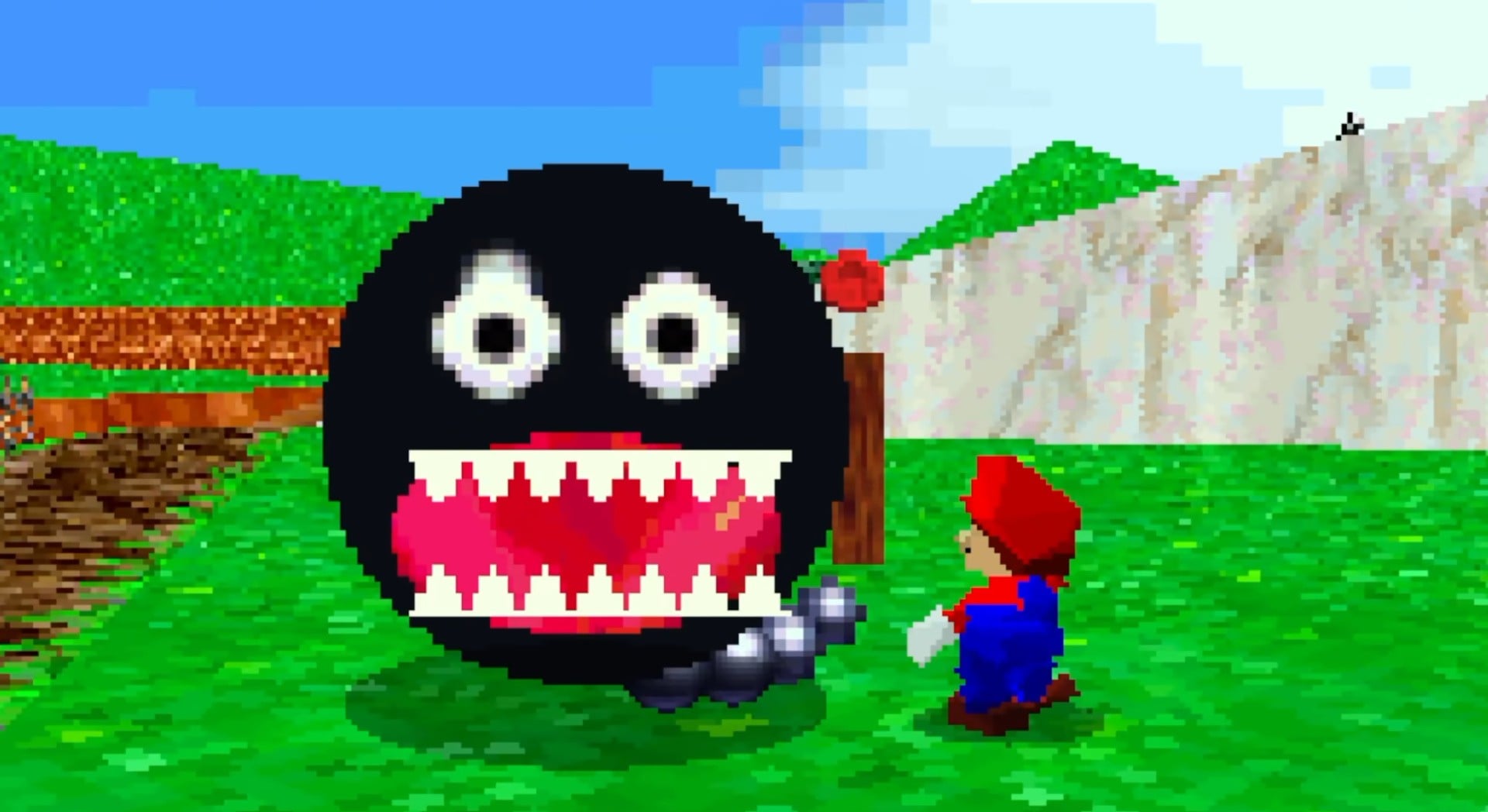
Super Mario 64 Atari Jaguar Fan-Port Features The Most Cursed Chain Chomp Ever
'Ah, finally, Super Mario 32 + 32'. I'm probably burying the lede a little. While front-facing Chain Chomp is undeniably nightmarish, the focal point should be that modder "BudFolk" has created a rudimentary build of the iconic N64 platformer Super Mario 64 for Atari's insolvent console, the...
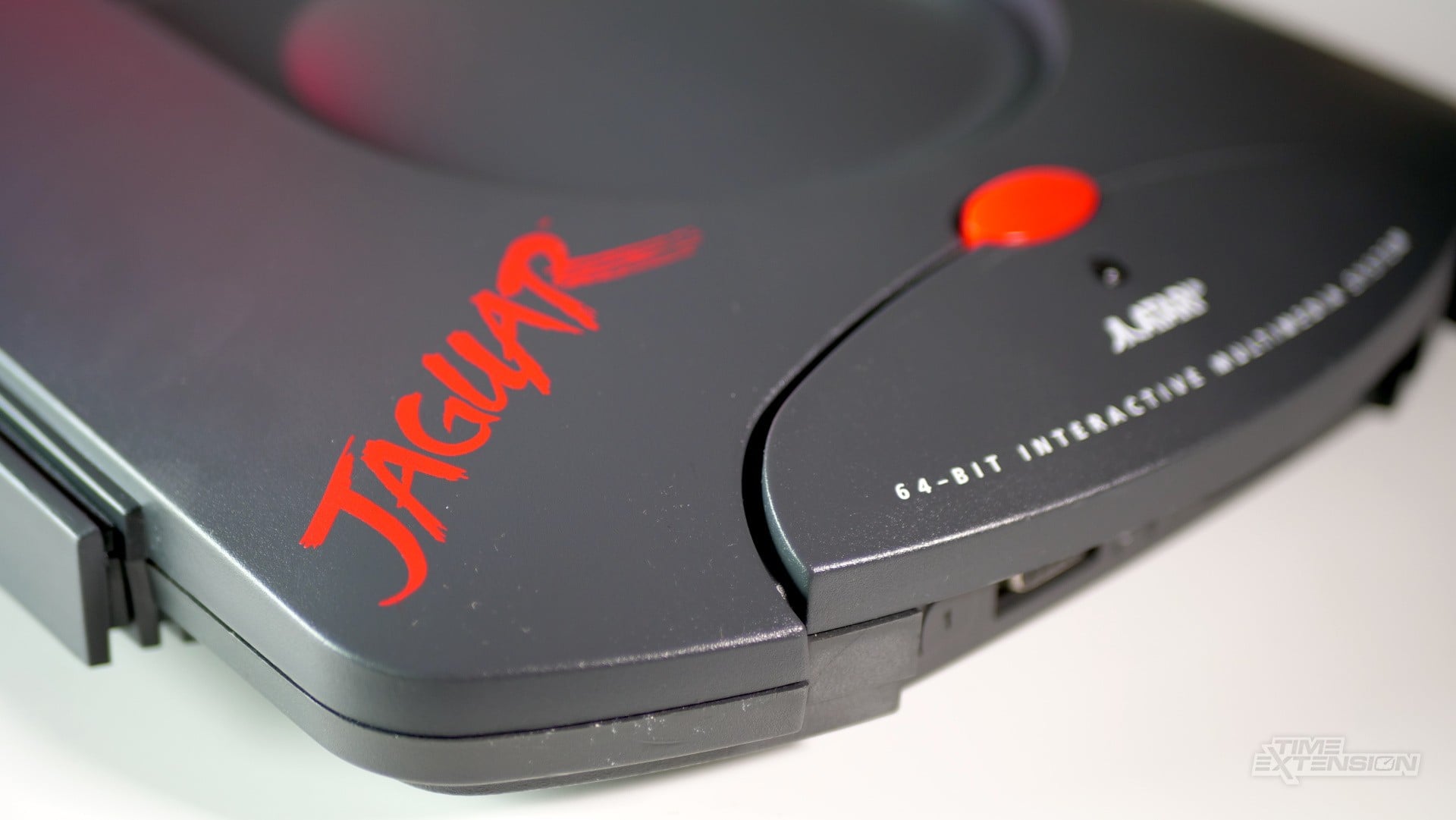
Modder Successfully Creates Atari Jaguar OS, Envisioning The Unreleased 'Atari Painter' Home Computer
RISCy Business. A modder has given new life to a project left on Atari's cutting room floor some 35 years ago. Using the Atari Jaguar hardware as its base, Homebrewer Clint Thomson has constructed an OS that envisions the Atari Painter - an unreleased home computer scheduled to launch in the...
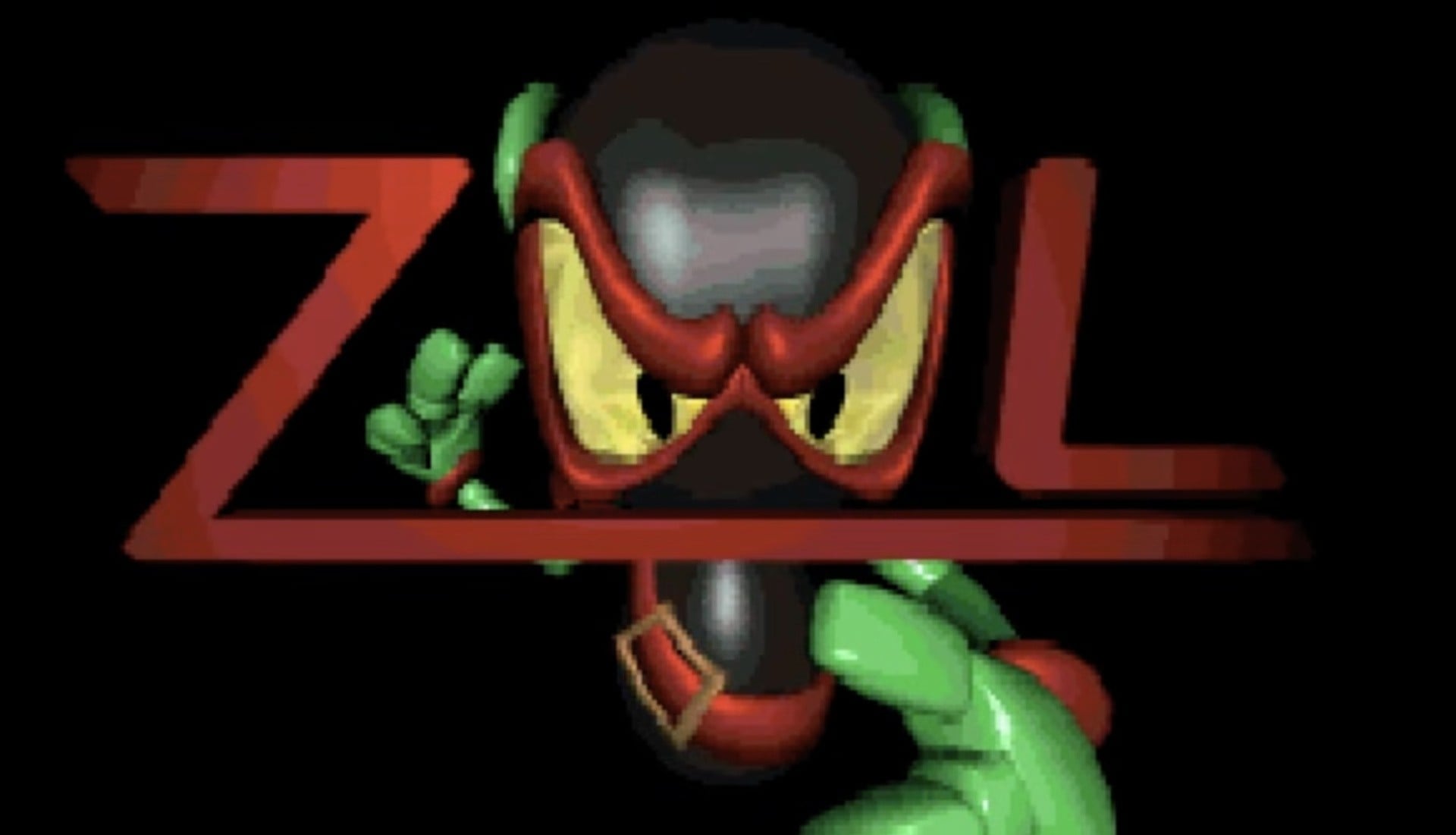
Is 2026 The Year Of Zool? This Recently-Announced Atari Jaguar Collection Certainly Adds To The Argument
Songbird Productions unveils the 'Zool Collection', two Zool games on a single cartridge. When 2025 came to an end, we had no idea just how many times the gremlin ninja Zool would end up popping into our news tips over the eight months that have followed. Since 2026 began, we've had 33 Games'...
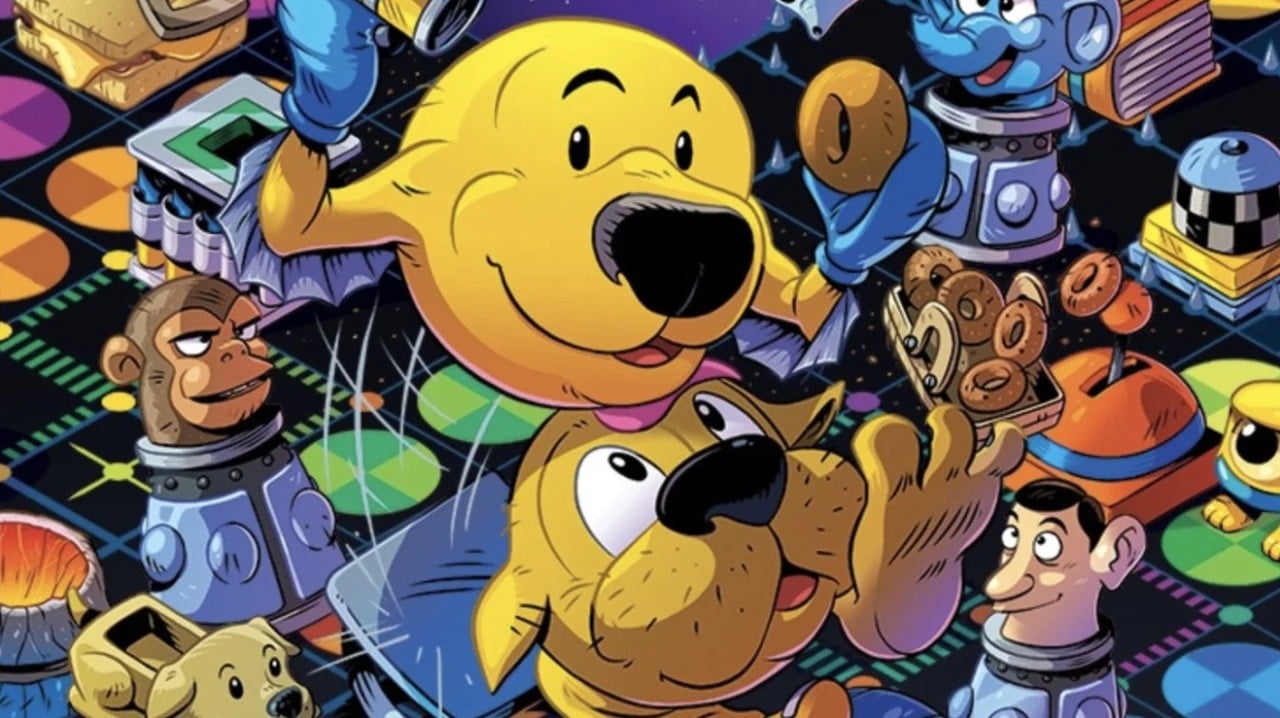
After Versions For Amiga & Atari ST, Head Over Heels' Sequel Set Its Sights On The Atari Jaguar
Coming this week! Here's an interesting bit of news for Atari Jaguar owners. After taking 37 years to complete, Return to Blacktooth: A Head Over Heels Adventure (Colin Porch's sequel to the Jon Ritman and Bernie Drummond classic Head Over Heels) is now setting its sights on the Atari machine. In...
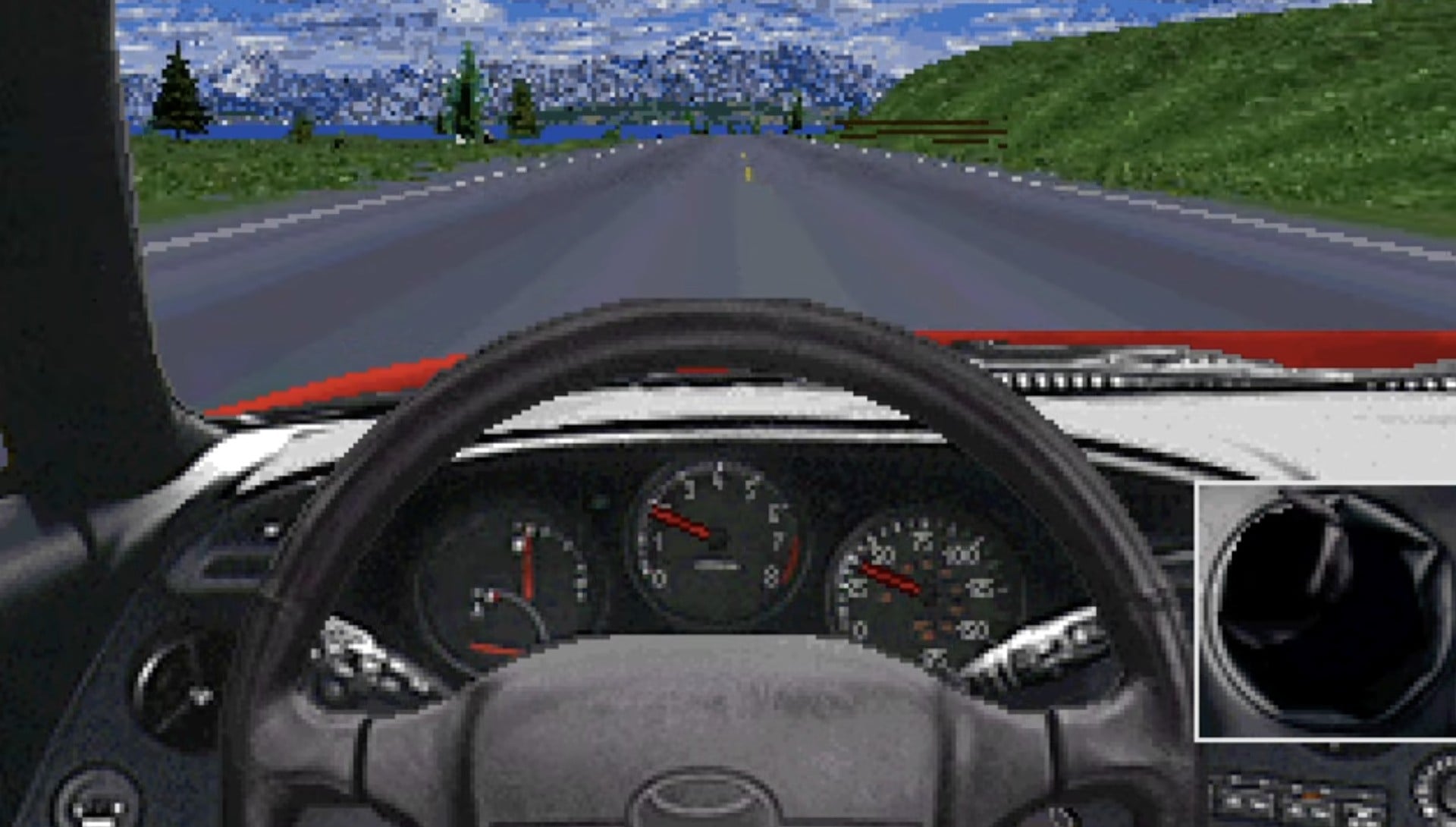
"The Original 3DO Programmers Deserve Serious Kudos" - This "Experiment" Is Bringing A Classic EA Racer To The Atari Jaguar
The Need For Speed debuted on the 3DO in 1994. A homebrew developer is working on bringing Electronic Arts' 1994 3DO racer The Need For Speed to the real Atari Jaguar hardware, in an experiment to see how far they can push the almost 33-year-old hardware. Budfolk is the developer of the Atari...